

To stay sharp and cheerful, incorporate small daily activities like mindfulness exercises and social engagement. Practice focused breathing or observe your surroundings to reduce stress and boost mental clarity. Connecting with friends or joining groups helps fight loneliness and stimulates your brain. These simple routines don’t require much time or money but can dramatically improve your mood and resilience. Keep exploring basic strategies to enhance your mental well-being and maintain a balanced, healthy mind.
Key Takeaways
- Incorporate small daily routines like mindfulness or brief social interactions to enhance mental clarity and emotional resilience.
- Practice mindfulness techniques such as focused breathing or sensory awareness to reduce stress and promote mental well-being.
- Engage regularly in social activities or conversations to stimulate the brain and foster feelings of connection and happiness.
- Make simple, consistent adjustments to routines that require minimal resources but significantly support mental health.
- Maintain positive habits that boost mood, resilience, and mental sharpness during stressful or challenging periods.

Have you ever wondered how simple activities can boost your mental health? The truth is, small changes in your daily routine can make a big difference in how you feel and think. One effective way to improve your mental well-being is by practicing mindfulness techniques. These activities help you stay present, reduce stress, and enhance your overall mood. You might start by taking a few minutes each day to focus on your breath or pay close attention to your surroundings. Mindfulness isn’t about clearing your mind completely; it’s about observing your thoughts without judgment. This practice can lower anxiety levels and boost your resilience against daily stressors. Incorporating mindfulness into your routine doesn’t require a lot of time or special equipment—just a little intentional focus can do wonders.
Alongside mindfulness techniques, social engagement plays an essential role in maintaining a healthy brain. Connecting with others not only provides emotional support but also stimulates your mind. Whether it’s chatting with a friend, joining a club, or volunteering, engaging socially helps reduce feelings of loneliness and depression. It keeps your brain active and promotes a sense of belonging, which is critical for mental health. Even small interactions, like saying hello to a neighbor or participating in group activities, can lift your mood. Social engagement also encourages you to develop empathy and communication skills, which further enrich your relationships and mental resilience. Making an effort to stay socially connected is especially important during stressful times, as it reminds you that you’re not alone.
Both mindfulness techniques and social engagement are accessible activities you can easily incorporate into your daily life. They don’t demand expensive therapy sessions or complicated routines. Instead, they focus on building awareness and fostering meaningful connections. You might start your day with a brief meditation or mindful breathing, then reach out to a friend or family member later in the day. Over time, these small actions can profoundly improve your mental clarity, emotional stability, and overall happiness. Remember, mental health isn’t just about avoiding negative feelings; it’s about nurturing positive habits that keep your mind sharp and cheerful. By making mindfulness and social engagement part of your routine, you’re investing in a healthier, more balanced brain. Ultimately, these activities are simple yet powerful tools that can help you stay resilient, centered, and joyful through life’s ups and downs.

Retrospec Sedona Zafu Meditation Cushion with Buckwheat Hull Fill – Adjustable Yoga & Pilates Equipment Support – 17in Crescent Cotton Cover
NATURAL COMFORT & SUPPORT: Filled with sustainable buckwheat hulls, this meditation cushion elevates your practice by aligning your…
As an affiliate, we earn on qualifying purchases.
As an affiliate, we earn on qualifying purchases.
Frequently Asked Questions
How Does Sleep Quality Impact Brain Health and Mood?
Good sleep quality directly impacts your brain health and mood. When you practice sleep hygiene, you guarantee restorative slumber, which helps your brain process information, consolidate memories, and repair itself. Poor sleep disrupts this process, leading to mood swings, irritability, and decreased cognitive function. Prioritizing restful sleep allows you to wake up refreshed, sharp, and in a better mood, supporting overall mental well-being and daily performance.
Can Social Media Use Affect Mental Health Positively or Negatively?
Social media is a double-edged sword, like a garden that can grow either beauty or weeds. It can boost your mood through online support, connecting you with others who understand you. But beware social media addiction—it can drain your energy and increase anxiety. Use it mindfully, and you’ll find it can be a tool for positivity, helping you stay motivated and cheerful, rather than a source of stress.
Are There Specific Dietary Choices That Enhance Brain Function?
You can enhance your brain function by choosing nutrient-rich foods like berries, nuts, and leafy greens, which provide essential vitamins and antioxidants. Increasing your omega-3 intake through fatty fish like salmon or flaxseeds supports cognitive health and memory. These dietary choices help keep your brain sharp and boost your mood, making it easier to stay focused and cheerful throughout the day. Prioritize these foods to optimize your mental well-being.
How Does Physical Activity Influence Mental Resilience?
Physical activity offers exercise benefits that directly boost your mental resilience. When you engage in regular exercise, you strengthen your brain’s ability to handle stress, recover from setbacks, and stay positive. Resilience building through physical activity also releases endorphins, which improve your mood and motivation. So, make exercise a consistent part of your routine, and you’ll notice increased mental toughness, better emotional balance, and a more resilient mindset for life’s challenges.
What Are Early Signs of Declining Cognitive Health?
Did you know that early signs of declining cognitive health often show up as memory loss or attention difficulties? If you notice forgetting recent conversations or struggling to concentrate, it might be a warning sign. These changes can happen gradually, so staying alert helps you catch issues early. Recognizing these symptoms allows you to seek support and implement strategies to protect your brain health before more serious problems develop.

Speaking Breathing Lamp with Guided Meditation & Calming Light | Stress & Anxiety Relief Tool for Adults & Kids | Box Breathing, Sleep, Relaxation & Focus Exercise Device | Self Care Gift
GUIDED BREATHING & VISUAL MEDITATION – NOW WITH VOICE GUIDANCE: Your Breathing Buddy is an improved mindfulness tool…
As an affiliate, we earn on qualifying purchases.
As an affiliate, we earn on qualifying purchases.
Conclusion
Taking time to nurture your brain is like watering a delicate garden—each activity helps your mind bloom brighter and stronger. When you weave these mental health boosters into your daily routine, you’re tending to your inner landscape, ensuring it stays vibrant and resilient. Remember, your brain is your most loyal companion—keep it nourished, and it’ll guide you through life’s twists and turns with clarity and cheer. Cultivate your mental garden, and watch your happiness flourish.
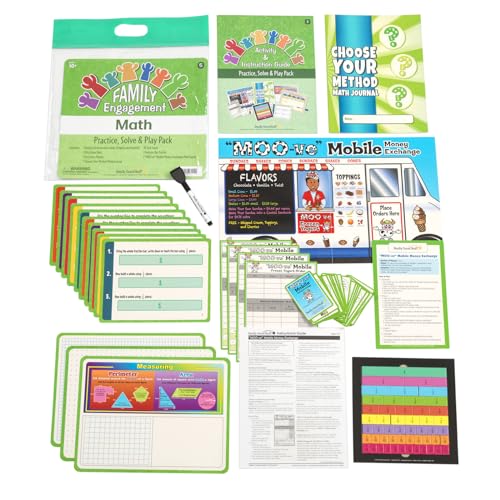
Really Good Stuff Fifth Grade Family Engagement Math Practice, Solve & Play Kit – Math Kit for Fifth Grade Students, Ages 9-11
WHAT YOU GET: 1 Activity Guide in both English and Spanish, 3 double-sided dry-erase practice mats, 1 dry-erase…
As an affiliate, we earn on qualifying purchases.
As an affiliate, we earn on qualifying purchases.

Schylling NeeDoh Nice Cube -Sensory Squeeze Toy with Super Solid Squish – 2.25" Cube
Bring chill vibes with you everywhere with a squeeze of the Nice Cube!
As an affiliate, we earn on qualifying purchases.
As an affiliate, we earn on qualifying purchases.