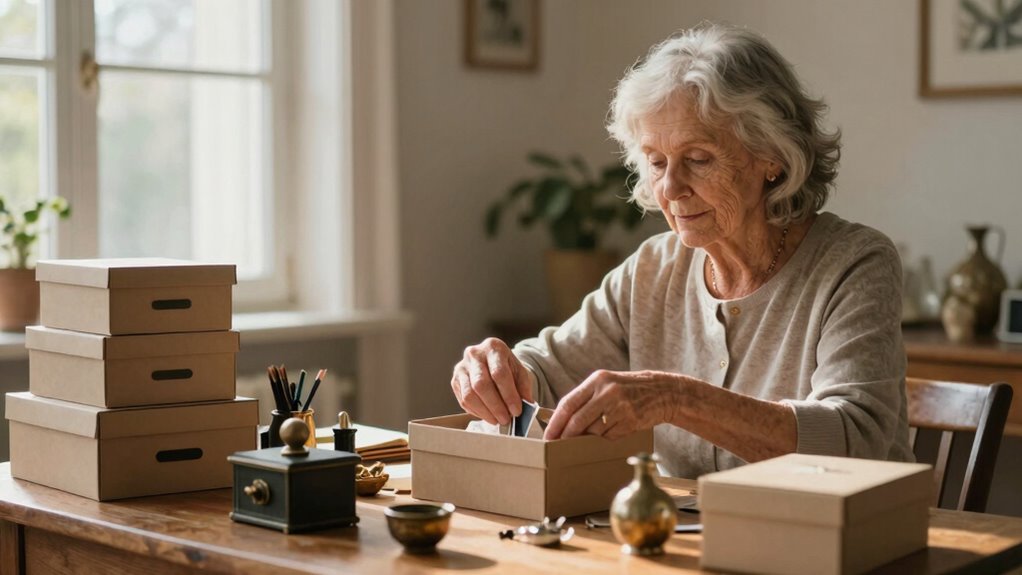

Decluttering can be an emotional reset by helping you regain control and experience a sense of accomplishment. It eases feelings of attachment or nostalgia, reducing emotional weight, and creates a calmer, more organized space that promotes mental clarity. As you clear clutter, you’ll notice less stress and anxiety, making daily routines more enjoyable. If you want to discover how this process benefits your overall well-being and safety, there’s more to explore below.
Key Takeaways
- Decluttering provides a sense of control and accomplishment, boosting confidence and emotional well-being in older adults.
- It reduces emotional weight from attachments and nostalgia, facilitating emotional release and mental clarity.
- A tidy space minimizes stress and anxiety, creating a calming environment that promotes emotional peace.
- Simplifying surroundings helps older adults focus on the present, improving mental clarity and reducing mental clutter.
- An organized space enhances safety and reduces hazards, contributing to overall emotional and physical security.
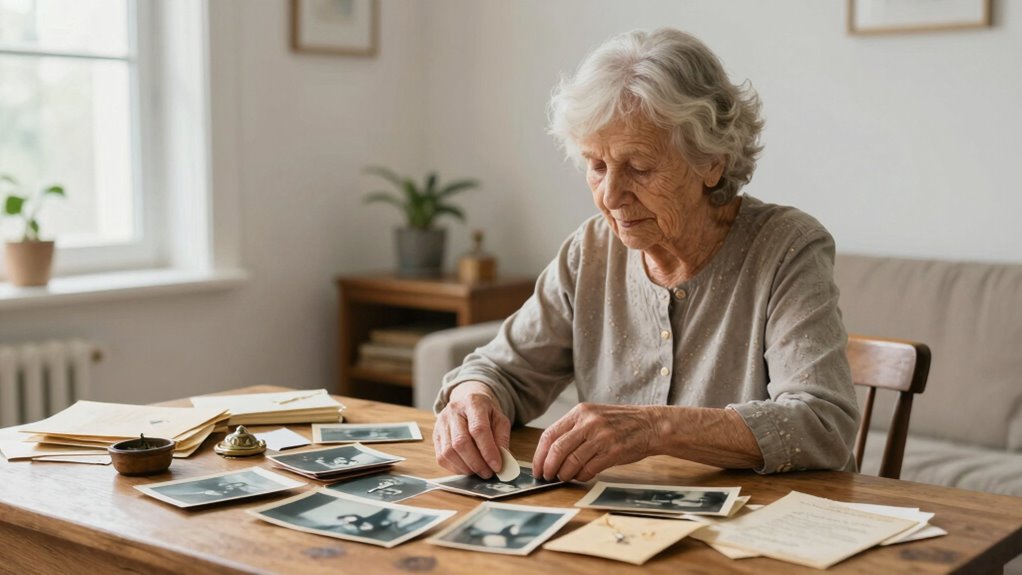
As you age, decluttering can become a powerful way to not only organize your space but also reset your emotional well-being. Clearing out clutter removes visual chaos, making your environment calmer and more inviting. This process isn’t just about tidiness; it’s about creating a space that supports your mental and physical health. When you reduce clutter, you’re also helping preserve your memory. A cluttered environment can be overwhelming, making it harder to focus and remember important details. By simplifying your surroundings, you create a more peaceful setting that allows your brain to process information more efficiently. This can be especially helpful if you’re experiencing memory lapses or cognitive decline, as it minimizes distractions and helps you stay centered on what truly matters.
In addition to memory preservation, decluttering offers tangible physical health benefits. When your space is organized, you reduce the risk of falls and accidents caused by tripping over misplaced items. Cluttered areas often hide hazards like loose cords or cluttered walkways, which can lead to injuries. Furthermore, a tidy environment promotes better airflow and cleanliness, reducing dust and allergens that might worsen respiratory issues or allergies. As you clear out unnecessary belongings, you also tend to engage in light physical activity—lifting, bending, and reaching—that benefits your mobility and overall strength. This gentle movement keeps your body active without the strain of intense exercise, supporting your physical health over time. Additionally, visual chaos can be distracting and stressful, impacting your overall emotional well-being.
Emotionally, decluttering can be liberating. It gives you a sense of control and accomplishment, boosting your confidence as you see tangible results from your efforts. Letting go of possessions, especially those tied to past memories, can be tough, but it ultimately helps you focus on the present. This act of releasing can ease feelings of attachment or nostalgia that might otherwise weigh heavily on your mind. As you create a more manageable environment, you often experience less stress and anxiety, making daily routines more manageable and enjoyable.
elderly decluttering storage bins
As an affiliate, we earn on qualifying purchases.
As an affiliate, we earn on qualifying purchases.
Frequently Asked Questions
How Often Should Older Adults Declutter Their Homes?
You should declutter your home every few months, maybe quarterly, to stay organized and prevent clutter from piling up. Use storage solutions like bins or shelves to keep sentimental items safe yet accessible. Regular decluttering allows you to evaluate what truly matters, making room for important keepsakes while letting go of things that no longer serve a purpose. This routine can refresh your space and boost your emotional well-being.
What Are Common Emotional Reactions During Decluttering?
During decluttering, you might feel emotional distress as you confront sentimental attachments to items. It’s common to experience a mix of nostalgia, sadness, or even relief. You may also feel overwhelmed or anxious about letting go. These reactions are natural because you’re processing memories tied to your possessions. Recognizing these feelings helps you manage them better, allowing you to gradually find emotional peace while creating a more manageable, clutter-free space.
How Can Family Members Support Older Adults in Decluttering?
You might be surprised how simply being present can support older adults during decluttering. Focus on respecting their emotional attachment and helping preserve memories, rather than rushing decisions. Offer gentle guidance, listen patiently, and celebrate small victories. By acknowledging their feelings, you foster trust and comfort, making the process smoother. Your support can turn decluttering into a meaningful experience that preserves memories while creating a fresh, organized space.
Are There Risks Involved in Decluttering for Seniors?
Yes, there are risks involved in decluttering for seniors. Safety concerns, like falls or injuries from heavy or unstable items, are common. Emotional attachment to belongings can also make it difficult for them to part with certain items, leading to stress or resistance. You should approach decluttering gently, respecting their feelings, and make certain safety measures are in place to prevent accidents during the process.
How Does Decluttering Impact Mental Health Long-Term?
You might be surprised to learn that decluttering can boost mental health long-term by fostering emotional healing and reducing stress. When you clear clutter, you create a calmer environment, which can lead to improved mood and clearer thinking. Regular decluttering helps maintain these benefits, preventing feelings of overwhelm. Over time, this practice supports better emotional resilience, making it easier to handle life’s challenges and enhancing your overall well-being.
Conclusion
Think of decluttering as tending to a garden. When you clear out the weeds, you give your cherished blooms room to flourish. As an older adult, shedding unnecessary belongings can be like pruning old branches—making space for new growth and fresh perspectives. Embrace this emotional reset as a chance to nurture your inner garden, allowing clarity and peace to bloom. In doing so, you cultivate a more vibrant, fulfilling chapter ahead.