
Coping with loss as a senior can feel overwhelming, but support is available to help you navigate grief. Connecting with friends, family, or community groups offers essential social bonds that reduce feelings of loneliness and provide emotional comfort. Grief counseling also plays a key role by giving you a safe space to share, process, and rebuild hope. Combining these approaches can strengthen your resilience — explore further to discover how tailored support can make a difference.
Key Takeaways
- Social connections like phone calls and community activities help seniors combat loneliness during grief.
- Grief counseling provides a safe space for seniors to process emotions and develop coping strategies.
- Participating in support groups fosters shared understanding and normalizes the grieving process.
- Accessing professional mental health resources online offers additional guidance and emotional support.
- Combining social engagement with counseling promotes overall mental well-being and resilience during mourning.
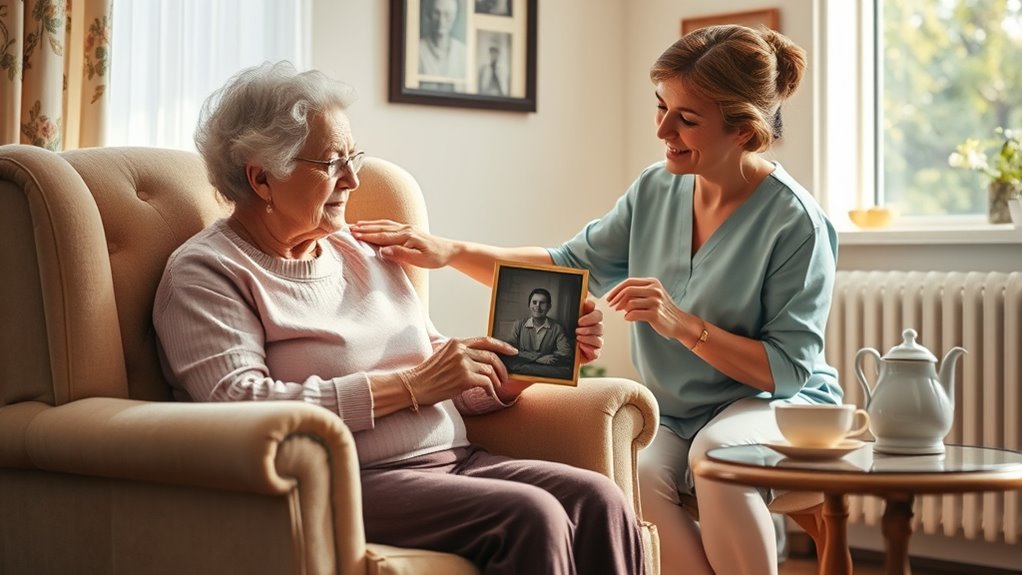
Losing a loved one can be especially difficult for seniors, who may face grief without the same social or emotional resources they once had. As you navigate this challenging time, understanding the importance of social connection becomes essential. Maintaining ties with friends, family, or community groups can provide a sense of belonging that helps ease feelings of loneliness. Even simple interactions, like phone calls or participating in local activities, can remind you that you’re not alone in your grief. Building or strengthening these connections offers emotional support and can give you a safe space to express your feelings.
In addition to social connection, seeking grief counseling can be a critical step toward healing. Professional counselors specialize in helping seniors process loss and develop coping strategies tailored to their needs. Grief counseling offers a confidential environment where you can openly share your thoughts and emotions without judgment. It also provides tools to manage overwhelming sadness, anger, or guilt, which are common during mourning. Many counselors are trained to understand the unique challenges seniors face, such as feelings of isolation or difficulty adjusting to change, making their guidance especially relevant.
Engaging with grief counseling doesn’t mean you’re weak or unable to cope; rather, it’s a proactive approach to support your mental health during a vulnerable time. It can help you reframe your feelings, find new ways to remember your loved one, and gradually rebuild a sense of stability. Sometimes, participating in group therapy sessions with others who are grieving can foster a sense of community and shared understanding. Hearing others’ stories and sharing your own can normalize your experience and remind you that grief is a natural process.
Moreover, understanding the importance of professional mental health support can connect you with resources like grief counseling or support groups tailored for seniors. Combining social connection with professional support creates a holistic approach to managing grief. Reaching out to friends or family can help you feel less isolated, while grief counseling can guide you through complex emotions and offer practical coping mechanisms. Remember, it’s okay to ask for help—your mental health deserves attention, especially during times of loss. Taking these steps demonstrates strength and resilience, empowering you to gradually find peace and rebuild your life after loss. Your journey through grief is personal, but support is always available to help you navigate it with compassion and understanding.

Grief & Loss for Seniors: Losing Your Spouse: Compassionate Guidance for Widows & Widowers: Get Through Sleepless Nights, Daily Tasks, and Health Changes—At Your Own Pace
As an affiliate, we earn on qualifying purchases.
As an affiliate, we earn on qualifying purchases.
Frequently Asked Questions
How Can I Differentiate Between Normal Grief and Depression?
You might wonder how to tell normal grief from depression. Normal emotional responses include sadness, longing, and occasional tears, while depression often brings persistent sadness, loss of interest, and feelings of worthlessness. Physical symptoms like fatigue or sleep changes can appear in both, but depression’s symptoms last longer and impact daily functioning. If your feelings persist beyond a few weeks or worsen, it’s time to seek support, as depression needs professional help.
Are There Specific Activities That Help Seniors Cope Better?
Imagine a senior named Mary who finds comfort through gardening and joining a local book club. You can help seniors cope better by encouraging activities like creative outlets—such as painting or crafting—and social engagement, which reduces loneliness. These activities provide emotional support, boost mood, and foster connections, making the grieving process easier. Engaging in hobbies not only occupies their time but also helps them find joy again.
What Role Does Spirituality Play in Grieving Processes?
Spirituality can provide you with essential comfort during grief, offering a sense of peace and connection. Faith practices like prayer, meditation, or attending services help you process emotions and find meaning in loss. By engaging in these spiritual activities, you can experience spiritual comfort, which supports healing. Embracing your faith during tough times helps you feel less alone and fosters resilience as you navigate your grieving journey.
How Can I Support a Grieving Senior Without Overwhelming Them?
Supporting a grieving senior is like walking a tightrope—you want to be there without overwhelming them. Respect their emotional boundaries and offer gentle reassurance. Practice active listening by truly hearing their feelings without rushing to fix things. Check in regularly but don’t push for details. Your patience and understanding create a safe space where they feel supported, not pressured, helping them navigate their loss at their own pace.
When Should Professional Help Be Sought for Grief?
When you notice grief triggers like sudden mood shifts or prolonged sadness, it’s time to seek professional help. If your emotional resilience diminishes or daily tasks become overwhelming, don’t hesitate to reach out. Professional support can guide you through complex emotions, helping you process grief healthily. Remember, seeking help isn’t a sign of weakness but a crucial step toward healing and restoring your well-being during tough times.
support group for grieving seniors
As an affiliate, we earn on qualifying purchases.
As an affiliate, we earn on qualifying purchases.
Conclusion
Remember, you’re not alone in this journey. Seeking support, sharing stories, and staying connected can be powerful steps toward healing. Don’t hesitate to open your heart and embrace the empathy around you. By building bonds and embracing your feelings, you’ll better bear the burden of loss. Take gentle, confident steps forward, knowing strength is found in support, solidarity, and self-care. Together, you can navigate grief with grace and grow through the pain.

Coping Skills Cards for Anxiety & Stress Relief – Mindfulness, Meditation & Self-Care Tools for Trauma, BPD, DID, PTSD | Mental Health Therapy Gift for Adults & Teens
Helps Manage Emotional Distress and Crisis: Specifically designed to alleviate panic attacks, flashbacks, trauma recollections, anxiety, stress, dissociation,…
As an affiliate, we earn on qualifying purchases.
As an affiliate, we earn on qualifying purchases.

Easyfone T6 4G Picture Button Senior Cell Phone | Easy-to-Use | Clear Sound | SOS Button | Easy Charging Dock | SIM Card Included | Good for Dementia, Alzheimer's and Kids (Black)
Make calls easily through 4 large picture memory buttons, no need to search in the phonebook
As an affiliate, we earn on qualifying purchases.
As an affiliate, we earn on qualifying purchases.