

To follow prescriptions safely and support your mental well-being, stick to your medication schedule consistently using alarms or reminders. Communicate openly with your healthcare provider about any side effects or difficulties, and keep track of changes in a journal. Proper management prevents reduced effectiveness and helps avoid relapses. Staying informed and proactive empowers you to manage side effects and optimize your treatment—if you continue, you’ll find practical tips to maintain medication safety and effectiveness.
Key Takeaways
- Take medications exactly as prescribed, including timing and doses, to ensure effectiveness and prevent condition worsening.
- Use alarms, reminders, or journals to stay consistent and monitor side effects or changes in your mental health.
- Communicate openly with healthcare providers about any side effects or adherence difficulties for timely adjustments.
- Recognize and manage common side effects through simple strategies, and report persistent issues promptly.
- Stay informed through trusted sources, ask questions, and actively participate in your medication management for better well-being.
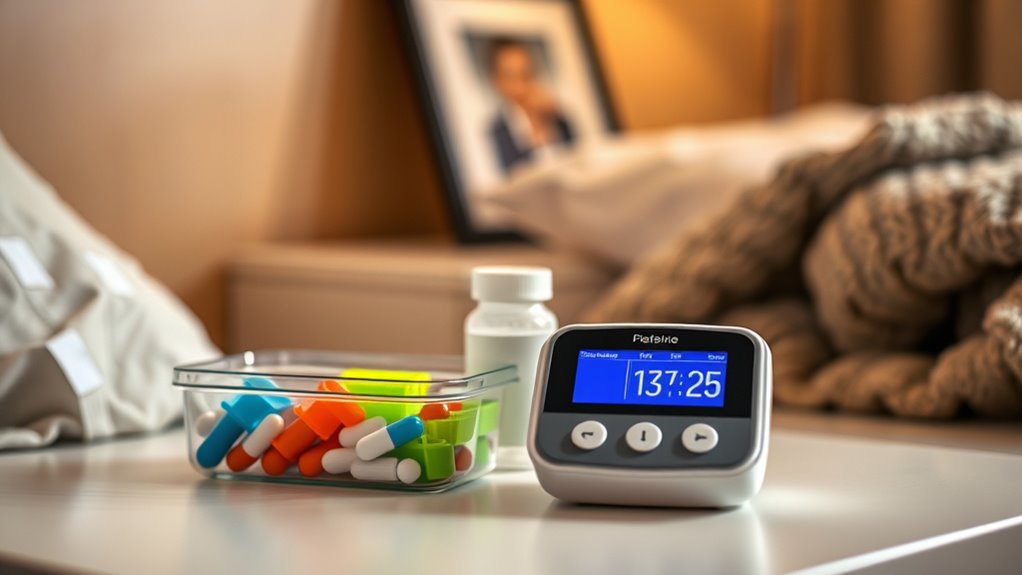
Have you ever wondered how proper medication management can impact your mental well-being? The way you handle your prescriptions plays a crucial role in how effective your treatment is and how you feel overall. To get the most benefit, you need to follow adherence strategies carefully. These strategies include taking your medication exactly as prescribed—at the right times, in the correct doses, and for the recommended duration. Consistency is key because skipping doses or stopping medication prematurely can reduce its effectiveness and cause your condition to worsen. Setting alarms or reminders can help you stay on track, and keeping a medication journal allows you to monitor your progress and notice any changes. It’s also vital to understand the importance of communicating openly with your healthcare provider about any difficulties you encounter in sticking to your regimen.
Side effect monitoring is another essential aspect of medication management. While many medications are effective in improving mental health, they can also cause side effects that may affect your quality of life. Being vigilant about any new or unusual symptoms helps you and your healthcare team determine whether the medication needs adjustment. If you notice side effects like drowsiness, nausea, or mood changes, don’t ignore them. Instead, report these issues promptly, so your provider can evaluate whether the medication is suitable or if an alternative might work better. Keeping track of side effects in your journal can provide valuable insights during appointments. Remember, your healthcare provider’s goal is to balance the benefits of medication with any adverse effects, so open communication about what you’re experiencing is crucial.
Moreover, understanding the potential side effects and how to manage them empowers you to take control of your treatment. Sometimes, minor adjustments like taking medication with food or changing the time of day can lessen side effects. Your provider might also recommend additional strategies or medications to counteract unwanted symptoms. The key is to stay proactive and engaged in your medication management. Never hesitate to ask questions or express concerns; this helps build a collaborative relationship that promotes better mental health outcomes. Additionally, being aware of reliable medication information can help you make informed decisions and recognize trustworthy sources for your health-related questions.
medication reminder alarms
As an affiliate, we earn on qualifying purchases.
As an affiliate, we earn on qualifying purchases.
Frequently Asked Questions
How Can I Tell if My Medication Is Working Effectively?
You can tell if your medication is working effectively by paying attention to changes in your symptoms and tracking them regularly. Make certain you’re practicing medication adherence by taking your prescriptions as directed. If you notice improvements or fewer symptoms, that’s a good sign. However, if symptoms persist or worsen, consult your healthcare provider. Regular symptom tracking helps you and your doctor determine if adjustments are needed for ideal mental well-being.
What Should I Do if I Miss a Dose?
If you miss a dose, don’t panic—just take it as soon as you remember unless it’s close to your next dose. Missing doses can happen, but consistent medication adherence is key. Avoid doubling up, as it can cause side effects. Keep track of missed doses and talk with your healthcare provider if it becomes a pattern. Staying proactive helps make certain your medication works effectively and supports your mental well-being.
Are There Natural Alternatives to Prescription Medications?
You can explore natural alternatives like herbal remedies and lifestyle changes to support your mental well-being. Herbal remedies such as valerian root or lavender may help reduce anxiety or improve sleep, while lifestyle changes like regular exercise, balanced diet, and stress management techniques can boost your mood naturally. Always consult with a healthcare professional before substitute or supplement prescription medications to ensure safety and effectiveness tailored to your needs.
How Do I Manage Side Effects From Psychiatric Drugs?
To manage side effects from psychiatric drugs, you should communicate with your healthcare provider about any issues. They might recommend dosage adjustments or check for drug interactions that could be causing problems. Never alter your medication without professional guidance, as this could worsen side effects. Keep a detailed record of your symptoms and side effects to discuss during appointments, ensuring safe and effective management of your medication plan.
Can I Stop Medication Once I Feel Better?
You shouldn’t stop medication once you feel better without consulting your healthcare provider. Medication adherence is vital for effective treatment, and abrupt medication discontinuation can cause relapse or withdrawal symptoms. Talk to your doctor before making any changes, as they can guide you through a safe tapering process if needed. Never discontinue psychiatric drugs on your own—your provider’s advice ensures your mental well-being stays protected.
medication journal planner
As an affiliate, we earn on qualifying purchases.
As an affiliate, we earn on qualifying purchases.
Conclusion
By following your prescriptions carefully, you’re planting seeds of stability in the garden of your mind. Each dose is a gentle rain that nurtures your mental well-being, helping your inner landscape flourish. When you manage your medication responsibly, you’re not just applying a bandage—you’re weaving a safety net that catches you when life’s storms threaten. Remember, you’re the gardener of your own peace, tending with care to cultivate a healthier, brighter tomorrow.
pill organizer with alarms
As an affiliate, we earn on qualifying purchases.
As an affiliate, we earn on qualifying purchases.
medication side effect management guide
As an affiliate, we earn on qualifying purchases.
As an affiliate, we earn on qualifying purchases.