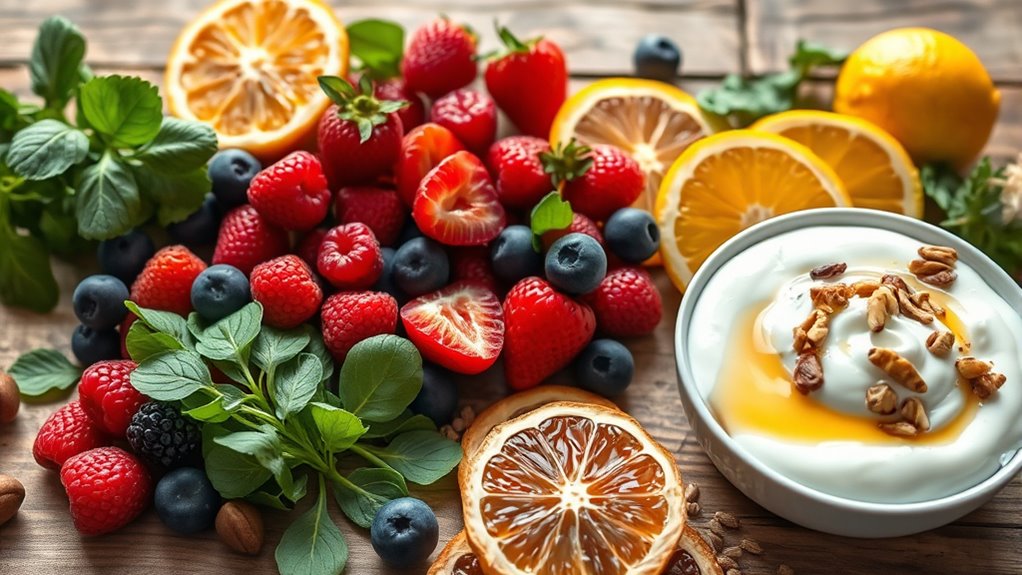

To support your mental health, focus on a balanced diet rich in mood-boosting foods like omega-3-rich fish, berries, and dark chocolate. Practice mindful eating to become more aware of hunger, cravings, and meal enjoyment, which helps reduce emotional eating and stress. Ensuring you get enough essential nutrients like B vitamins, magnesium, and zinc can improve mood and emotional stability. Keep exploring how simple dietary changes can boost your mental resilience and overall well-being.
Key Takeaways
- Consuming nutrient-dense foods like leafy greens, fish, and nuts supports brain health and stabilizes mood.
- Including mood-boosting foods such as berries, dark chocolate, and omega-3 rich options enhances mental resilience.
- A balanced diet prevents nutrient deficiencies linked to depression and anxiety, promoting emotional stability.
- Practicing mindful eating increases awareness of hunger cues and food choices, reducing emotional eating.
- Small, consistent dietary improvements foster better mental clarity, emotional well-being, and overall mental health.
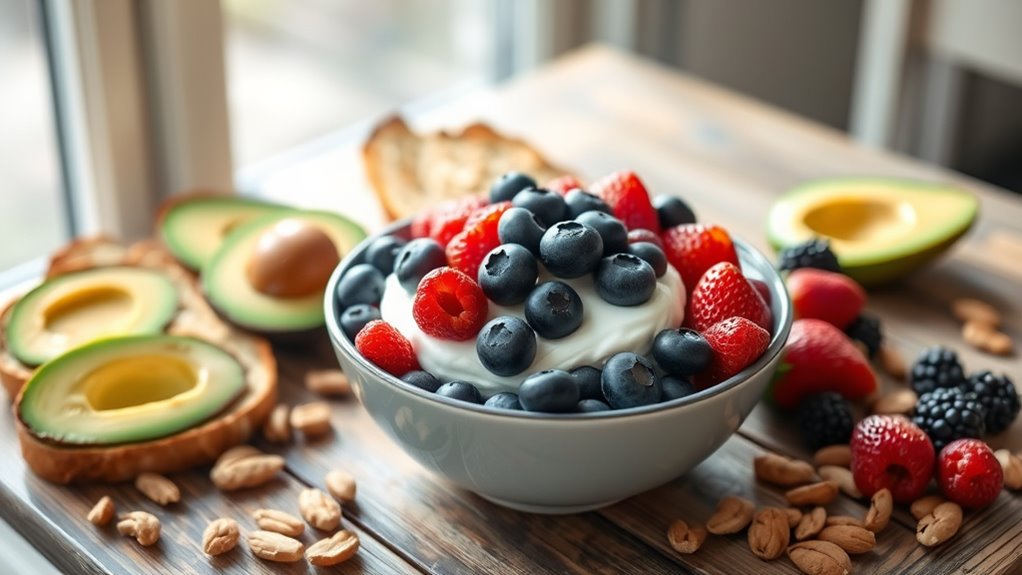
Have you ever wondered how what you eat can affect your mood and mental well-being? It’s a question many overlook, but your daily food choices play a crucial role in how you feel emotionally and mentally. One effective way to improve your mental health through diet is practicing mindful eating. Instead of rushing through meals or mindlessly snacking, paying attention to what and how you eat helps you recognize hunger cues and promotes a healthier relationship with food. Mindful eating also encourages you to savor your meals, which can reduce emotional eating and stress. When you focus on your food, you become more aware of how different nutrients impact your mood, energy levels, and overall mental state.
Practicing mindful eating enhances mood, reduces stress, and fosters a healthier relationship with food.
Poor diet quality often leads to nutrient deficiencies that can negatively influence your mental health. For example, lacking essential nutrients like B vitamins, omega-3 fatty acids, magnesium, and zinc has been linked to increased chances of depression and anxiety. If your diet is imbalanced or filled with processed foods, you might not be getting enough of these vital nutrients to support your brain function. This deficiency can impair neurotransmitter production, which affects your mood, focus, and emotional stability. Addressing nutrient deficiencies begins with choosing nutrient-dense foods, like leafy greens, nuts, seeds, fish, and whole grains, which supply your body and brain with the building blocks for good mental health.
Additionally, incorporating mood-boosting foods into your diet can significantly enhance your mental well-being. Foods rich in omega-3s, such as salmon and walnuts, are known for their anti-inflammatory properties and their ability to support brain health. Berries, full of antioxidants, can help combat oxidative stress that may contribute to depression. Dark chocolate, in moderation, stimulates the release of endorphins and serotonin, boosting your mood naturally. Including these foods regularly in your meals can help stabilize your mood and improve your mental resilience over time.
Furthermore, understanding the importance of nutrient deficiencies and how they affect mental health underscores the need for a balanced, nutrient-rich diet. A balanced diet isn’t just about avoiding deficiencies but also about creating a sustainable eating pattern that promotes mental clarity, emotional stability, and overall well-being. Instead of focusing solely on restrictions, aim for a variety of foods that nourish your body and mind. Combining this approach with mindful eating can help you develop a positive relationship with food, reduce emotional eating, and support your mental health holistically. Remember, small consistent changes—like adding a handful of nuts or a serving of fish to your weekly meals—can make a meaningful difference in how you feel emotionally and mentally every day.
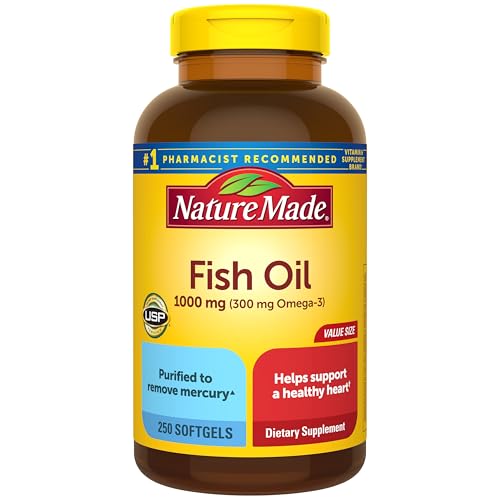
Nature Made Fish Oil Omega 3 Supplements, 1000mg Softgels, Omega 3 Fish Oil for Healthy Heart Support, 250 Softgels, 125 Day Supply
Heart health support supplement: contains one 250 count bottle of Nature Made Fish Oil 1000 mg Softgels for…
As an affiliate, we earn on qualifying purchases.
As an affiliate, we earn on qualifying purchases.
Frequently Asked Questions
Can Specific Foods Prevent Depression or Anxiety?
Specific foods alone can’t prevent depression or anxiety, but they can influence your mood. When you manage food cravings and practice nutrient timing—eating balanced meals regularly—you support your brain’s health. Including omega-3 rich foods, whole grains, and fruits can boost your mood. Stay consistent with your diet to help maintain stable energy levels and neurotransmitter function, which may reduce symptoms over time.
How Quickly Can Diet Changes Improve Mental Health?
You might notice mental health improvements within days to weeks after changing your diet. Your mind-gut connection plays a key role, as a balanced diet enhances nutrient absorption, supporting better mood regulation. By eating mood-boosting foods rich in omega-3s, fiber, and vitamins, you can positively influence brain chemistry and reduce stress. Consistency is essential, and over time, these diet changes can lead to sustained mental health benefits.
Are Supplements Necessary for Mood Enhancement?
Supplements are like a safety net, but they’re not always necessary for mood enhancement. While they can help if you have specific deficiencies, you should prioritize food for better nutrient absorption. Always check supplement safety first, and consult a healthcare professional before adding them to your routine. Relying on balanced diets guarantees your body absorbs nutrients naturally, supporting your mental health more effectively than pills alone.
Do Cultural Diets Influence Mental Health Differently?
Yes, cultural diets influence mental health differently because cultural food practices and traditional dietary patterns shape your nutrient intake and eating habits. When you follow a diet rooted in your culture, it can provide emotional comfort and social connection, boosting your mood. Conversely, adopting unfamiliar or restrictive diets might lead to stress or nutritional gaps. Recognizing these cultural influences helps you tailor a balanced diet that supports your mental well-being.
How Does Hydration Impact Mental Well-Being?
Think of water as your mind’s silent partner, much like the steady flow of a river. Proper water intake keeps hydration effects in check, ensuring your brain functions smoothly. When you’re well-hydrated, your mood stabilizes, focus sharpens, and stress lessens. Skimp on water, and you risk fatigue and irritability. Prioritize hydration effects by drinking enough water daily, turning your mental well-being into a flowing, resilient current.

GHIRARDELLI Intense Dark 86% Cacao Chocolate Bar, 3.17 oz – Bold Extra Dark Chocolate with Rich Cocoa Notes
One (1) 3.17 oz GHIRARDELLI Intense Dark 86% Cacao Chocolate Bar
As an affiliate, we earn on qualifying purchases.
As an affiliate, we earn on qualifying purchases.
Conclusion
By now, you see that what you eat profoundly impacts your mental health. Embracing mood-boosting foods and maintaining a balanced diet can be your modern-day elixir, helping you navigate life’s rollercoaster with greater ease. Remember, even in this digital age, a wholesome plate remains timeless—think of it as your personal philosopher, guiding you toward better well-being. So, choose wisely and nourish both your body and mind for a brighter, more resilient tomorrow.
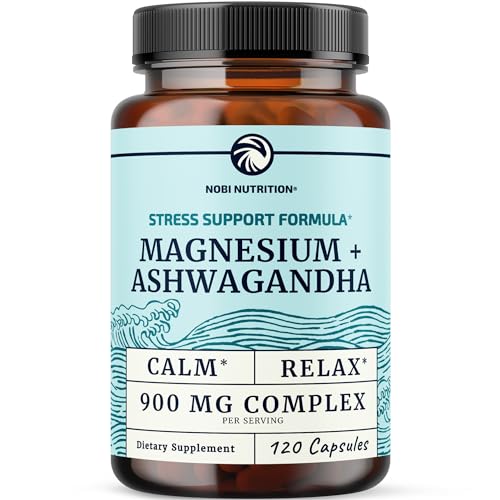
Magnesium Ashwagandha | Calming Magnesium Supplement for Adults | Relax, Rest, Calm Mood & Sleep Support | Mag Citrate & Oxide 400 mg + Ashwagandha 500 mg | Muscle Health & Stress Relief | 120 Ct
RELAX YOUR MIND & BODY: Each serving contains 400mg of Magnesium Citrate to help support muscle relaxation, and…
As an affiliate, we earn on qualifying purchases.
As an affiliate, we earn on qualifying purchases.

The Mindful Eating Journal: Prompts and Practices to Restore Your Relationship with Food
As an affiliate, we earn on qualifying purchases.
As an affiliate, we earn on qualifying purchases.