
TL;DR
President Trump’s approval rating has fallen to a second-term low of 39% in a new NBC poll. The decline coincides with economic worries and shifting voter preferences ahead of the midterms.
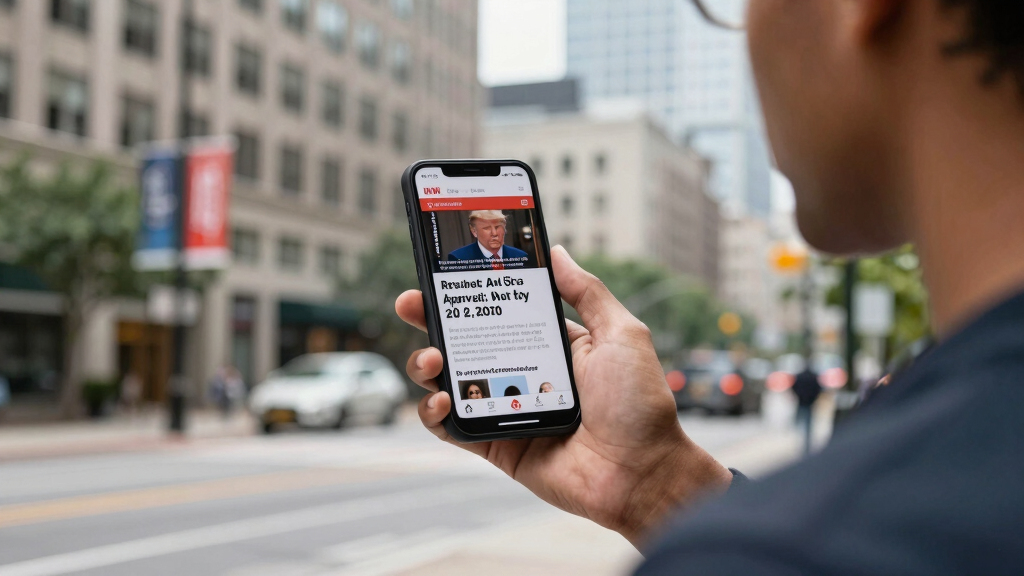
President Donald Trump’s approval rating has dropped to 39%, marking the lowest level in his second term, according to a new NBC News poll released on June 14. The decline occurs five months before the midterm elections and signals shifting voter sentiment amid economic and political uncertainties.
The NBC poll, conducted from May 29 to June 7 among 2,400 registered voters, shows Trump’s approval rating at 39%, the lowest since his first term. The survey also indicates a decline in rural support, with approval dropping from 60% in February 2025 to 50% in June, reflecting disapproval over economic issues and the cost of living.
This poll highlights a broader trend of waning support for Trump among the general electorate, even as Republican voters largely remain loyal. Among Republicans, 82% approve of Trump’s performance, with 58% strongly approving, down from 63% in March. The survey results come amid economic turbulence, including rising gas and grocery prices, partly linked to international conflicts, and a competitive political landscape with Democrats gaining ground in public opinion.
Implications for Midterm Election Dynamics
The declining approval rating suggests potential challenges for Trump’s influence within the Republican Party and could impact the overall electoral landscape. With Democrats gaining favor in some polls and Republicans facing slim majorities in Congress, these numbers may influence campaign strategies and voter turnout efforts. The results also reflect broader economic anxieties affecting voter sentiment nationwide.
Recent Trends in Public Opinion and Political Climate
The NBC poll’s findings align with other recent surveys indicating a dip in support for Trump, especially among independents and swing voters. Historically, presidential approval ratings influence midterm outcomes, and current data suggests a challenging environment for Republicans seeking to maintain or expand their congressional majorities. The political landscape remains fluid, with economic concerns and ongoing national issues shaping voter preferences.
“These are rocky numbers for Republicans, but they are not catastrophic.”
— an anonymous researcher
Unclear Impact on Midterm Election Outcomes
It is not yet clear how these approval ratings will translate into actual voting behavior in the midterms, or how they may influence candidate performances and campaign strategies. The political landscape remains unpredictable, with factors such as voter turnout, local issues, and campaign dynamics still developing.
Upcoming Campaigns and Polls to Watch
Voters and analysts will closely monitor upcoming polling data, candidate campaigns, and national debates over the next several months. The midterm elections are scheduled for November 2026, and campaign efforts are expected to intensify as parties respond to shifting public opinion and economic conditions.
Key Questions
What does a 39% approval rating mean for Trump?
A 39% approval rating indicates that less than half of all surveyed voters support Trump’s performance as president, which is historically low for a sitting or former president at this stage in their term.
How does this compare to previous approval ratings?
This is the lowest approval rating for Trump in a NBC poll since his first term, and it reflects a decline from earlier support levels, especially among the general electorate.
Could this impact Trump’s influence within the Republican Party?
Yes, declining approval among the broader electorate could weaken his influence, though party loyalty remains high among Republican voters, which may mitigate immediate effects.
What are the main issues affecting Trump’s approval rating?
Economic concerns, including rising gas and grocery prices, and national security issues, such as international conflicts, are key factors influencing voter opinion.
What should voters expect in the coming months?
Voters should expect increased campaign activity, more polling, and political debates as parties prepare for the November midterms amid ongoing economic and social issues.
Source: Google Trends