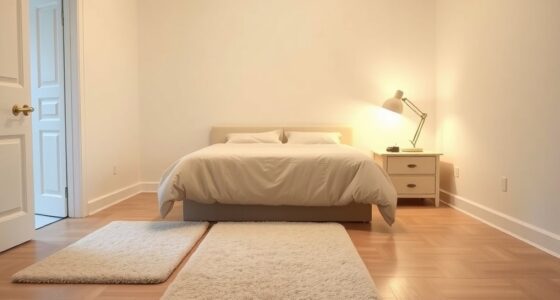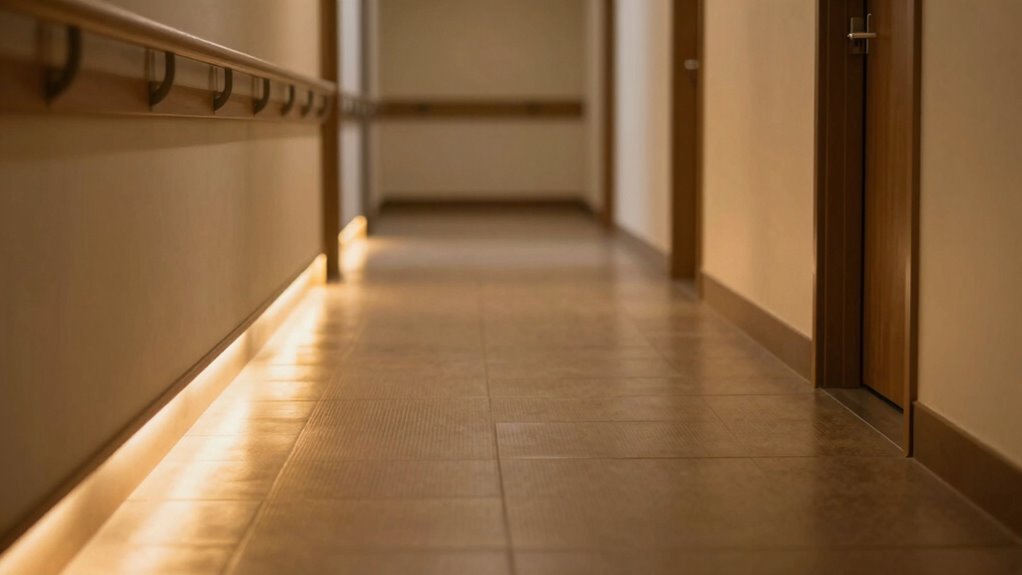

You need better floor-level lighting in senior homes because it considerably reduces fall risks by improving visibility where it matters most. Proper lighting helps seniors navigate safely during the day and night, highlighting obstacles and uneven surfaces that could cause trips. It also boosts confidence and independence while creating a safer environment. To understand how thoughtful lighting design and complementary safety features improve overall safety, keep exploring the details behind this essential safety measure.

Get the little things that make your day delivered free with Prime
- Fast, free delivery on millions of items
- Prime Video, Amazon Music and more included
- Member-only deals all year
Key Takeaways
- Improves visibility to prevent trips and falls, especially in poorly lit or shadowed areas.
- Helps seniors navigate safely at night, reducing anxiety and increasing independence.
- Highlights obstacles, uneven surfaces, and small objects that could cause accidents.
- Enhances overall safety and reduces injury risks in senior living environments.
- Supports a comfortable, secure atmosphere that promotes dignity and well-being for residents.
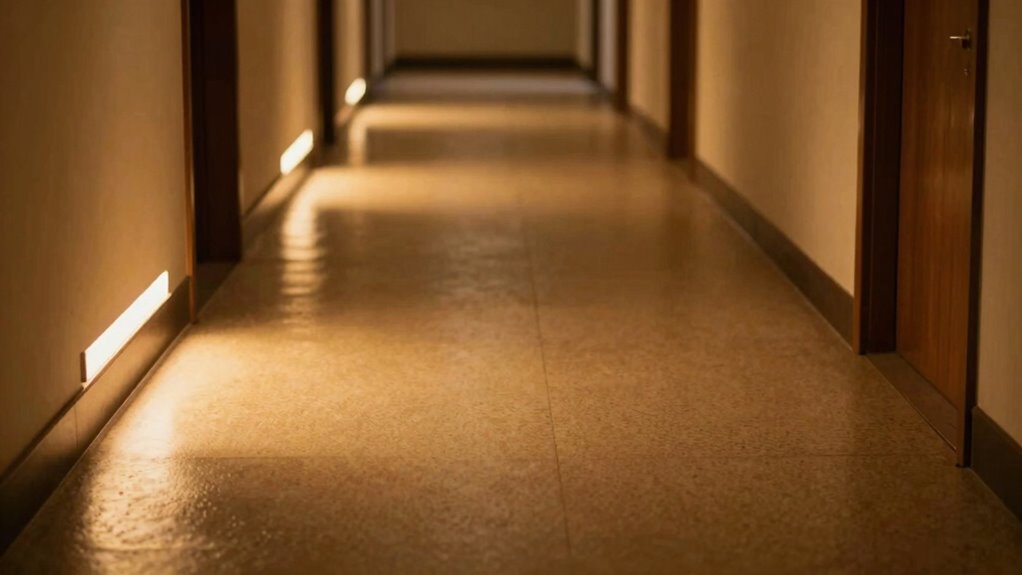
Proper lighting is fundamental for senior homes, especially at floor level, where falls and accidents are common. When your surroundings are poorly lit, especially near the ground, it becomes harder to see obstacles, uneven surfaces, or small objects that can cause trips. Good lighting design focuses on guaranteeing that every part of a senior’s environment is well illuminated, reducing the risk of injury. Thoughtful placement of lights, avoiding harsh glare, and using appropriate brightness levels are all essential safety measures. When done correctly, these measures create a safer environment that helps seniors move around confidently and independently. Incorporating lighting design principles that enhance visibility can greatly improve safety and comfort for residents.
Proper floor-level lighting enhances safety, helping seniors move confidently and reducing fall risks in their environment.
Floor-level lighting plays a critical role in preventing accidents. You might not realize how often your eyes rely on clear, well-lit pathways to navigate safely. Without proper illumination, even familiar areas can become hazardous. That’s why incorporating lighting design that highlights floor areas, especially in hallways, staircases, and around furniture, is so important. These safety measures ensure that seniors can see where they’re stepping, even in low-light situations or during nighttime hours. Installing low-level LED strip lights or motion-activated lights can provide consistent, gentle illumination without disturbing sleep patterns. This strategic lighting approach minimizes shadows and dark corners that could otherwise hide dangers. Additionally, lighting placement that considers natural pathways can significantly enhance safety and ease of movement. An understanding of environmental impact of tissue paper and sustainable practices can also influence choices in lighting fixtures, promoting energy efficiency and environmentally responsible care. Properly designed lighting systems should also account for energy efficiency and maintenance, ensuring consistent safety without added hassle. Incorporating standard safety features such as non-slip flooring and handrails complements the lighting, creating a comprehensive safety environment.
In addition to visibility, safety measures should also consider the placement and type of lighting fixtures. For instance, avoiding overly bright or flickering lights helps reduce eye strain and confusion. It’s best to select fixtures that distribute light evenly across the floor, eliminating harsh contrasts. Dimmer switches are also beneficial, allowing adjustments based on individual needs or specific times of day. When you implement these lighting design principles, you create an environment where seniors feel more secure and less anxious about moving around. Properly lit spaces encourage independence and reduce the likelihood of falls, which are often caused by poor visibility or missteps.
Ultimately, investing in effective floor-level lighting and safety measures isn’t just about compliance; it’s about caring for the well-being of seniors. When your environment is designed with their safety in mind, you help them maintain their dignity and quality of life. Good lighting design is a simple yet powerful tool in creating a safer, more comfortable space. It makes a noticeable difference, giving seniors the confidence to navigate their surroundings with ease and reducing preventable accidents. Proper lighting at floor level isn’t just a safety feature; it’s a cornerstone of thoughtful, responsible senior care.
Frequently Asked Questions
How Does Floor-Level Lighting Impact Overall Resident Safety?
Floor-level lighting markedly boosts resident safety by improving ambient illumination and visual clarity, making it easier for you to see obstacles and navigate hallways confidently. It reduces the risk of trips and falls, especially in low-light situations or during nighttime hours. With better lighting at floor level, you can move around more securely, enhancing overall safety and independence within the senior home environment.
What Are the Cost Implications of Installing Better Floor Lighting?
Installing better floor lighting involves initial costs, but smart technology and energy-efficient options can help manage expenses. You’ll invest in advanced lighting systems that use less power and require less maintenance, ultimately reducing long-term costs. While upfront expenses might be higher, the improved safety and reduced accident risks justify the investment. Plus, energy-efficient lighting aligns with sustainability goals, making your facility more eco-friendly and cost-effective over time.
Are There Specific Lighting Standards for Senior Home Environments?
Yes, senior home environments have specific lighting standards outlined in lighting regulations and design guidelines. These standards focus on ensuring adequate illumination to prevent falls and enhance safety. You should follow these guidelines to provide proper lighting levels, minimize glare, and incorporate task lighting at floor level. Adhering to these regulations helps create a safer, more comfortable environment for residents, aligning with best practices for senior care facilities.
How Often Should Floor-Level Lighting Be Maintained or Replaced?
You should check and maintain your floor-level lighting fixtures monthly to guarantee safety and proper illumination. Replace bulbs promptly when they burn out or show signs of dimming to prevent trips and falls. Regularly inspecting the lighting fixture for any damage or wear helps prolong its lifespan. Consistent bulb maintenance not only keeps the environment safe but also ensures that the lighting remains effective, especially for residents with limited mobility.
Can Improved Lighting Reduce Fall-Related Injuries Significantly?
Yes, improved lighting can substantially reduce fall-related injuries by enhancing visual comfort, making it easier for you to see obstacles and navigate safely. Better lighting at floor level not only boosts safety but also promotes energy efficiency by reducing the need for overly bright overhead lights. When you guarantee proper illumination, you create a safer environment that minimizes risks and supports your well-being.
Conclusion
So, next time you visit a senior home, remember: it’s not just about warm cookies and friendly chats. No, it’s about illuminating the path to independence—literally. Because nothing says “welcome” like a well-lit floor that prevents grandma’s accidental tumble or grandpa’s mysterious midnight stroll. Brighten up their world, and you might just save a few toes—and a lot of worry. After all, who knew that better lighting could be the secret to eternal youth… or at least fewer hospital visits?
NFL season / tailgating Picks
team gear
As an affiliate, we earn on qualifying purchases.