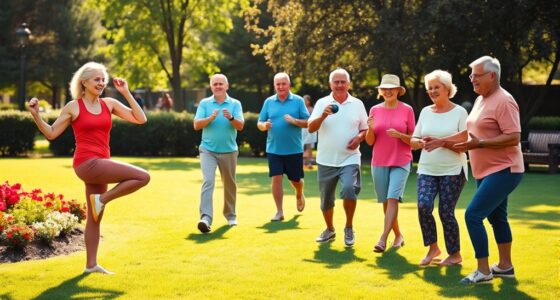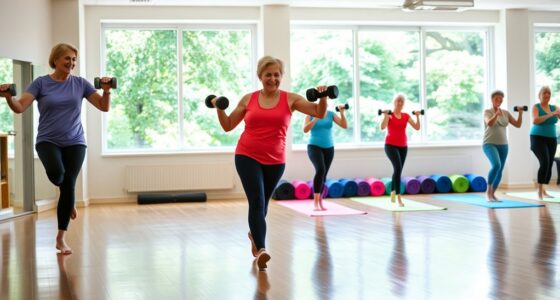
To prevent falls, focus on balance and stability exercises that improve your coordination, core strength, and proprioception. Try activities like heel-to-toe walking, uneven surface training, and simple core workouts such as planks and bridges. Incorporate visual focus tasks, like eye patches or gaze stabilization, to enhance sensory integration. Consistently practicing these techniques helps you develop confidence in your movements. Keep exploring; you’ll discover even more effective ways to build resilience and prevent falls.
Key Takeaways
- Incorporate core strengthening exercises to improve body control and reduce fall risk.
- Use gait training techniques like heel-to-toe walking to develop stable walking patterns.
- Focus on visual focus exercises, such as eye patch use, to enhance coordination and sensory integration.
- Perform balance drills on uneven surfaces to challenge stability and improve proprioception.
- Follow a consistent, gradual exercise routine emphasizing slow, deliberate movements for safe progression.
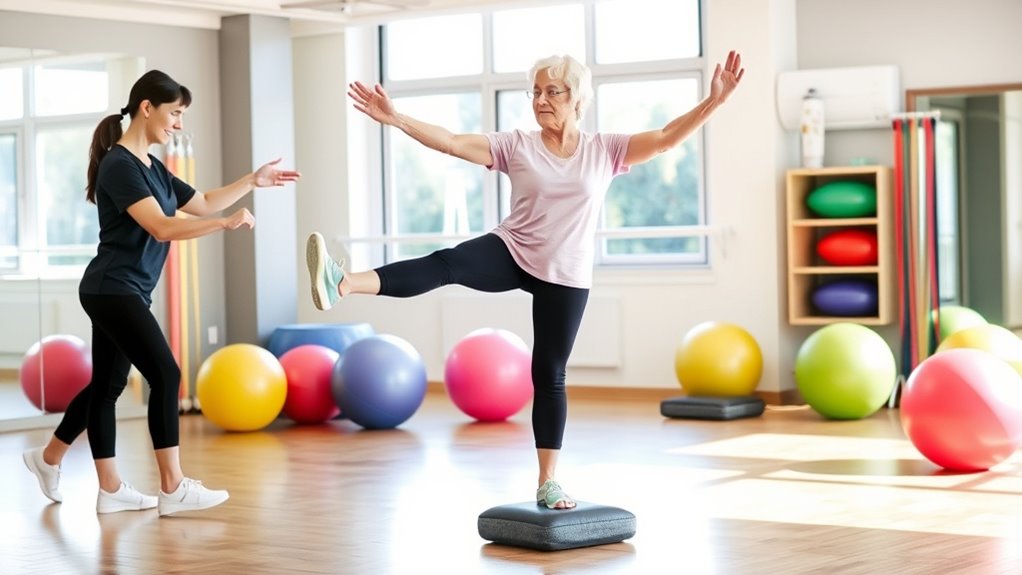
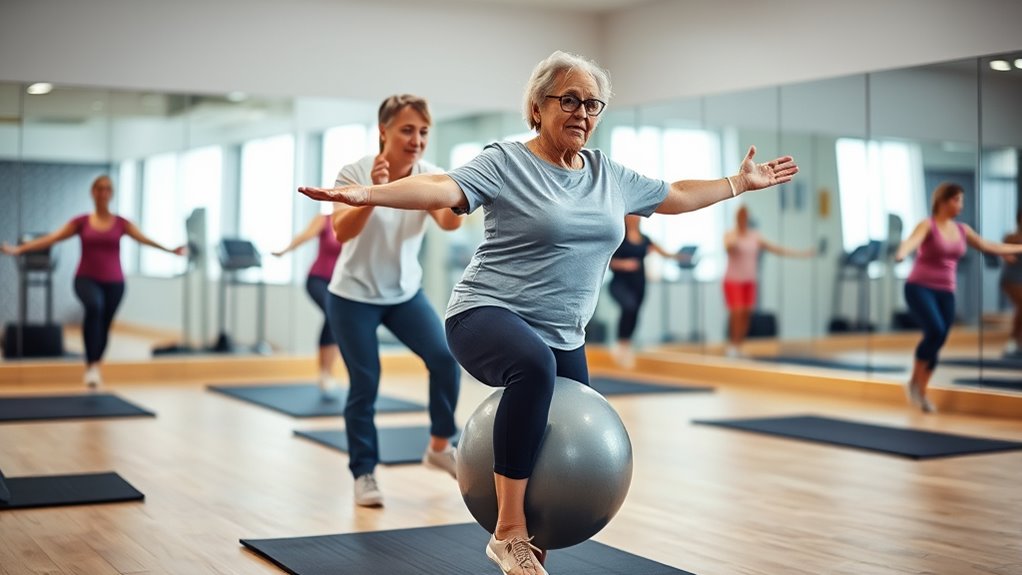
Maintaining good balance and stability is vital for overall fitness and daily functioning. When you focus on improving these areas, you reduce your risk of falls and injuries while enhancing your ability to perform everyday tasks. One effective way to achieve this is through targeted balance and stability exercises that include gait training and core strengthening. Gait training helps you develop a more confident and efficient walking pattern, making your movement smoother and more controlled. By practicing proper gait techniques, you learn to distribute your weight evenly and maintain alignment, which directly contributes to better stability. You might start with simple exercises like walking heel-to-toe in a straight line or walking on uneven surfaces to challenge your balance and improve proprioception. Over time, these exercises help retrain your nervous system, making your walking more secure and less prone to stumbling. Incorporating eye patch benefits into your routine can also help improve your visual focus and coordination, further supporting your balance and stability. Core strengthening plays a vital role in maintaining balance because your core muscles serve as the foundation for all movement. When your core is strong, you gain better control over your body’s position, especially when adjusting to uneven terrain or unexpected disturbances. Incorporate exercises like planks, bridges, and abdominal crunches into your routine to build a resilient core. Keep your movements controlled and focus on proper form to maximize effectiveness. As your core becomes more robust, you’ll notice improved posture and stability during daily activities, whether you’re bending to pick up something or standing for extended periods. These exercises also help prevent common issues such as lower back pain, which can impair your balance and mobility. Integrating gait training and core strengthening into your regular exercise routine doesn’t require much time or fancy equipment. Consistency is key. Start with short sessions, perhaps 10 to 15 minutes daily, and gradually increase intensity as you become more comfortable. Focus on slow, deliberate movements to make sure you’re engaging the right muscles and maintaining proper form. As you progress, challenge yourself by adding dynamic movements like heel raises or side steps to simulate real-life situations where balance is essential. Remember, the goal is to build a strong foundation that supports your overall stability and helps you move confidently in all environments. By making these exercises a routine part of your fitness plan, you’ll considerably decrease your chances of falls and enjoy greater independence in daily life.

Healthy You Foam Balance Beam for Stability Rehabilitation and Physical Therapy
Made from extra soft foam that is perfect for clinic or home use
As an affiliate, we earn on qualifying purchases.
As an affiliate, we earn on qualifying purchases.
Frequently Asked Questions
Can Balance Exercises Improve Coordination in Older Adults?
Yes, balance exercises can improve your elderly coordination, which is vital for fall prevention. When you engage in these exercises regularly, you strengthen your muscles and enhance your ability to control movements, making you more stable and confident. Improved coordination helps you react quickly to changes in your environment, reducing fall risk. So, incorporating balance exercises into your routine is a proactive step toward maintaining independence and preventing falls as you age.
How Often Should I Perform Stability Exercises for Best Results?
Like planting a seed, consistency is key. You should aim to perform stability exercises at least 3 times a week, following the recommended frequency guidelines. Each session should last about 20-30 minutes, allowing enough time to build strength and confidence without overtaxing yourself. Regular practice guarantees your muscles stay engaged, helping you maintain better balance and prevent falls as you grow more stable with each session.
Are There Specific Exercises for Preventing Falls During Daily Activities?
To prevent falls during daily activities, focus on exercises like heel-to-toe walking, gentle lunges, and leg lifts to strengthen your muscles and improve coordination. Combine this with home safety tips—remove tripping hazards and install grab bars. Always wear supportive, well-fitting footwear to enhance stability. These practices help you maintain balance and reduce fall risk, making everyday tasks safer and more secure.
Can Balance Training Help Recovery After a Fall?
Yes, balance training can dramatically aid your recovery after a fall, like turning a shaky tower into a sturdy fortress. It enhances fall prevention strategies and boosts gait stability, helping you regain confidence and coordination. You’ll feel your body reasserting control, making everyday movements smoother and safer. Regular practice rebuilds muscles and improves your sense of balance, turning past falls into lessons that strengthen your resilience and reduce future risks.
Are There Contraindications for Balance Exercises in Certain Health Conditions?
Yes, there are medical restrictions and pregnancy considerations you should be aware of before starting balance exercises. If you have certain health conditions like severe osteoporosis, vertigo, or cardiovascular issues, you might need to avoid specific movements. During pregnancy, some exercises could pose risks, so it’s essential to consult your healthcare provider. Always tailor your balance training to your individual health status to prevent injury.

Vinsguir Ab Roller Wheel, Abs Workout Equipment for Abdominal & Core Strength Training, Exercise Wheels for Home Gym, Fitness Equipment for Core Workout with Knee Pad Accessories
【More Accessible & Hassle Free】The 3.2 inch dual-wheel ab roller offers extra support and stability compared to the…
As an affiliate, we earn on qualifying purchases.
As an affiliate, we earn on qualifying purchases.
Conclusion
By embracing balance and stability exercises, you’re planting the seeds for a steady foundation in your life. Think of each workout as tending a strong tree, its roots growing deeper with every effort. As your strength grounds you, you’ll stand tall against life’s gusts, confident and resilient. Keep practicing—your journey is a scaffolding that supports not just your body, but your independence and peace of mind. Fall less, live more, and let stability be your guiding star.
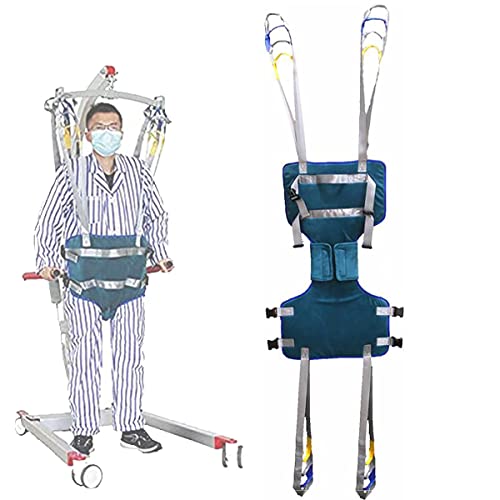
XYEJL Standing Walking Sling,Patient Assisted Walking Harness, Rehabilitation Aid Gait Training Device,Adjustable Waist Design,Medical Disabled Full Body Sling,for Elderly & Disabled,Small
▶【Multifunctional Sling】: It is a multifunctional sling, a walking and standing aid, the whole body transfer belt can…
As an affiliate, we earn on qualifying purchases.
As an affiliate, we earn on qualifying purchases.

Yes4All Wobble Balance Board, Upgraded Plastic Stability Trainer with TPE Surface & Handles for Home Gym & Standing Desk (Sky Blue – 16.3" Dia)
UPSCALE QUALITY & LARGER SIZE: Large size with 16.3” /41.5 cm diameter, larger space for both feet; Made…
As an affiliate, we earn on qualifying purchases.
As an affiliate, we earn on qualifying purchases.