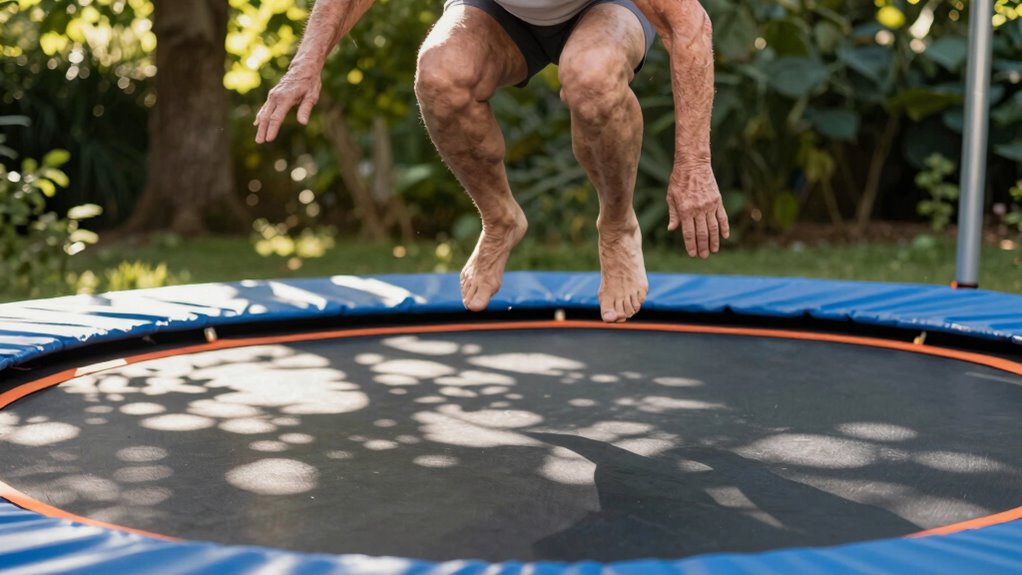

Rebounder trampolines raise questions for older adults because of safety concerns related to balance and joint health. While they offer a low-impact way to stay active, bouncing can challenge stability, especially if your balance isn’t ideal. Additionally, some worry about joint stress during bouncing, even with gentle use. To enjoy the benefits safely, it’s important to understand proper techniques and precautions—there’s more to take into account if you want to bounce confidently and safely.
Open a free Amazon Business account
Business pricing, bulk buying and tax-exempt orders.
As an affiliate, we earn on qualifying purchases.
Key Takeaways
- Concerns about balance challenges and stability during bouncing for older adults.
- Potential joint stress from repetitive impact, especially for inflamed or weakened joints.
- Need for proper safety measures like supports and obstacle-free environments.
- Uncertainty about whether gentle bouncing is truly safe and effective for aging bodies.
- Risks of falls or injuries if not practiced with caution and proper technique.
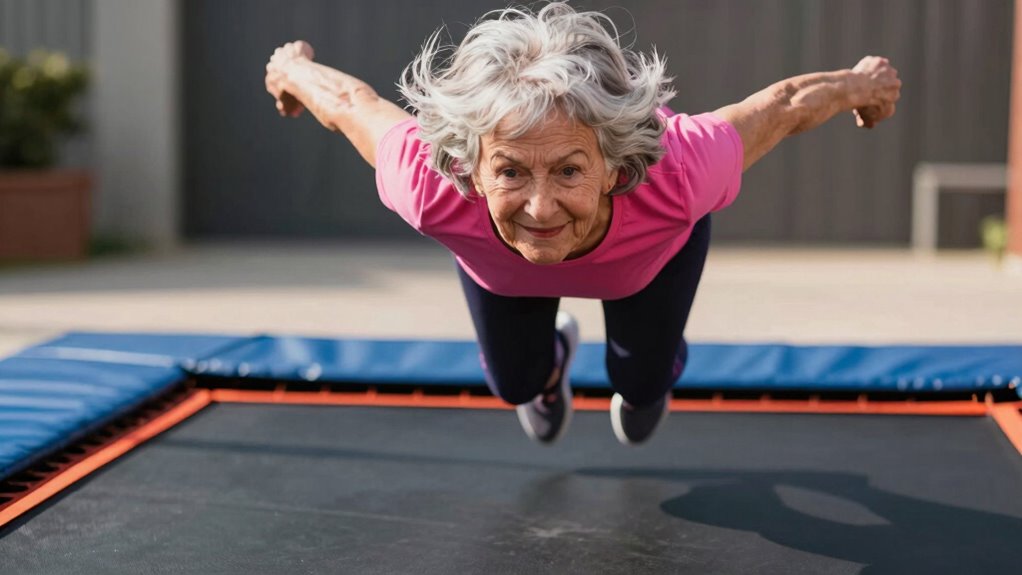
Rebounder trampolines are quickly gaining popularity among older adults as a safe and effective way to stay active. However, this rising trend also raises questions, especially about how they impact balance challenges and joint stress. You might be curious about whether bouncing on a small trampoline can truly be gentle enough for your body or if it might pose risks. It’s understandable to have concerns, especially if you’re dealing with balance issues or joint sensitivities. While rebounders can boost your fitness, they also require you to maintain stability during each bounce, which can be challenging if your balance isn’t at its peak. This is why it’s important to approach them carefully, starting with low-intensity routines and possibly using supports or handrails until you feel confident.
One of the main benefits of rebounder trampolines is their low-impact nature, which generally means less joint stress compared to running or jumping on hard surfaces. Still, the bouncing motion can sometimes cause discomfort if your joints are already inflamed or weakened. It’s essential to listen to your body and avoid overexertion. If you have arthritis or other joint issues, you might find that gentle bouncing or short sessions are more suitable, and consulting a healthcare professional before starting is a smart move. The soft, elastic surface of a rebounder helps absorb some of the shock that would otherwise impact your knees, hips, or ankles, but every body is different. Proper technique and moderation can help minimize joint stress and make the experience more enjoyable. Additionally, understanding hormesis and how gentle stressors can promote resilience may help you approach rebounding as part of a balanced wellness routine. Incorporating safe exercise practices is essential to maximize benefits and reduce potential risks. Furthermore, gradual exposure to bouncing can help your body adapt and build strength over time, aligning with principles of adaptation.
When considering a rebounder, you should think about your balance challenges. If you feel wobbly or unsteady on your feet, using the trampoline with support—like holding onto a sturdy chair or wall—can prevent falls. Over time, with regular practice, you might notice improvements in your balance and coordination. However, it’s vital to progress gradually and ensure your environment is safe, free of obstacles, and well-lit. The goal is to build confidence and strength without risking injury. Remember, the key is to prioritize safety while enjoying the benefits of this fun, low-impact exercise. With patience, proper technique, and awareness of your body’s signals, rebounder trampolines can be a valuable addition to your fitness routine, helping you stay active, improve balance, and reduce joint stress.
rebounder trampoline with safety supports for seniors
As an affiliate, we earn on qualifying purchases.
As an affiliate, we earn on qualifying purchases.
Frequently Asked Questions
Are Rebounder Trampolines Suitable for Individuals With Joint Issues?
Rebounder trampolines can be suitable for individuals with joint issues if you choose a model with good impact safety and cushioned surfaces. They help reduce joint strain compared to harder surfaces, but it is crucial to start slowly and consult your healthcare provider. Low-impact bouncing minimizes stress on your joints, making trampolines a potentially safe exercise option, provided you prioritize impact safety and listen to your body’s signals.
How Do Rebounder Trampolines Compare to Walking for Cardiovascular Health?
Sure, bouncing on a rebounder might seem like a toddler’s game, but it packs a punch for your heart. It offers a gentle impact that boosts your cardiovascular health more dynamically than walking, while also positively affecting bone density. Plus, you get a mental health boost from the fun, bouncy experience. So, if you’re after a lively workout with added mental perks, a rebounder might just beat your walking routine.
Can Rebounder Trampolines Help Improve Balance and Coordination?
Yes, rebounder trampolines can help improve your balance and coordination. They promote balance enhancement by requiring you to stabilize your body on the bouncing surface. Incorporating coordination exercises into your routine, like bouncing in different directions or doing simple jumps, can further boost your motor skills. Regular use challenges your stability and helps refine your coordination, making everyday movements easier and reducing fall risk.
What Safety Precautions Should Older Adults Take When Using a Rebounder?
When using a rebounder, you should wear proper footwear with good grip to prevent slips. Always make sure there’s safety padding around the edges to minimize injury if you fall. Start with gentle jumps, and hold onto the stability bar if available. Check the trampoline’s surface for any damage before use. These precautions help you enjoy the benefits safely while reducing the risk of accidents.
Are There Specific Rebounder Models Recommended for Seniors?
Think of rebounder models specially designed for seniors as your gentle dance partners. These low-impact exercise trampolines prioritize balance improvement and joint protection, making them perfect for older adults. Brands like JumpSport and Reboundair offer models with extra stability features and softer surfaces, ensuring safety while you bounce. Always choose a model with sturdy handrails and non-slip surfaces, turning your workout into a safe, uplifting experience.
Conclusion
As you consider using a rebounder trampoline, remember safety comes first. Imagine Helen, a lively 65-year-old who started gentle exercises on her rebounder and found renewed energy and confidence. But she also listened to her body and consulted her doctor. If you approach it with care and awareness, this fun activity can boost your health without risking injury. Stay mindful, start slow, and enjoy the bounce toward better well-being.
Flea & tick season Picks
flea and tick prevention
As an affiliate, we earn on qualifying purchases.