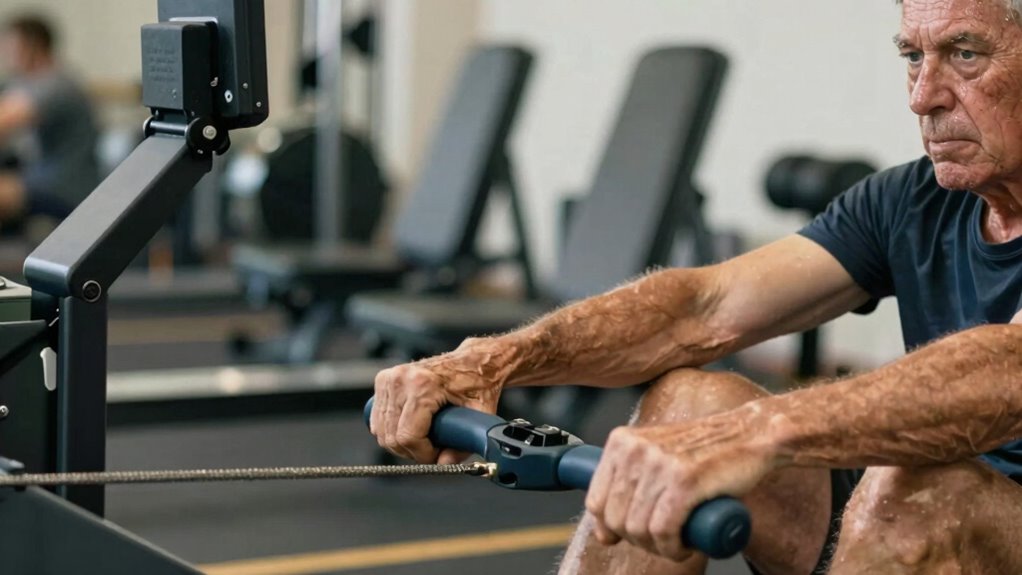

Using a rowing machine as an older beginner demands focus on proper form, controlled movements, and listening to your body. You should start with gentle resistance, emphasizing smooth, coordinated motions that engage your core and protect joints. Patience is key—gradually increase your workout intensity over time without pushing through pain or fatigue. If you keep at it, you’ll discover how to safely build strength and endurance while enjoying the many health benefits.

Get the little things that make your day delivered free — and shop member deals
- Fast, free delivery on millions of items
- Access to Prime Big Deal Days deals on October 6–7
- Prime Video, Amazon Music and more included
Key Takeaways
- Proper technique and controlled movements are essential to prevent joint strain and injury.
- Building core strength gradually supports posture and reduces back discomfort.
- Consistent, moderate workouts improve endurance without overexertion or fatigue.
- Listening to your body and adjusting resistance or taking breaks ensures safe progress.
- Mental focus and proper breathing enhance workout effectiveness and overall experience.
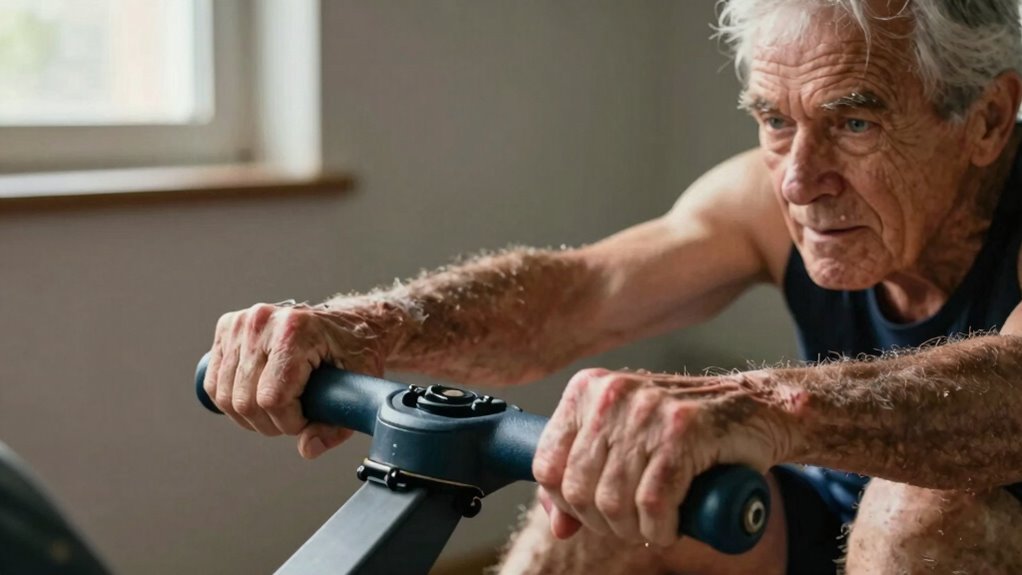
Starting a new exercise routine can feel intimidating, especially if you’re new to fitness or managing health concerns. Using a rowing machine might seem overwhelming at first, but it’s a versatile way to boost your overall health without putting excessive stress on your joints. When you hop on, you’re engaging multiple muscle groups, which benefits your cardiovascular health and helps improve your endurance. It’s an efficient workout that can be tailored to your current fitness level, making it accessible for older beginners.
Starting a new exercise routine can be daunting, but a rowing machine offers a joint-friendly, adaptable way to boost your health gradually.
One of the key demands of rowing is maintaining proper technique. You need to learn how to coordinate your movements—driving with your legs, leaning back slightly, then pulling the handle toward your chest. This sequence, performed correctly, minimizes strain on your joints and reduces the risk of injury. Paying attention to your form is essential, especially if you’re managing joint flexibility issues. You want smooth, controlled motions rather than jerky or rushed movements, which can cause discomfort or strain. Incorporating ergonomic design features can help support proper posture and reduce fatigue during your workouts. Additionally, understanding how ear wax odor and other odors can vary based on hygiene practices highlights the importance of maintaining a clean workout environment to prevent unpleasant smells and potential bacteria buildup.
The machine requires a certain level of core engagement to keep your posture upright and stable throughout the workout. Building core strength is essential, as it supports your back and helps prevent pain. As an older beginner, you might find that your muscles need some time to adapt, so start slow. Gradually increase your workout duration and intensity as your body becomes accustomed to the exercise. Consistency is more important than speed or power initially, as it allows your muscles and joints to adapt comfortably.
Rowing also demands mental focus. You need to stay attentive to your breathing and rhythm, which can help make your workout more effective and enjoyable. Controlled breathing not only enhances your cardiovascular health but also reduces stress, contributing to better overall well-being. The rhythmic nature of rowing can be meditative once you get into a steady pace, making your exercise session both physically and mentally beneficial. Additionally, choosing the right equipment with filtration efficiency and ergonomic design can help improve your workout experience.
Finally, listen to your body. If you experience joint pain or fatigue, don’t push through it. Adjust the resistance or take breaks as needed. The goal is to build strength and endurance gradually without overexerting yourself. With patience and proper technique, a rowing machine can become a safe, effective tool that enhances your cardiovascular health, maintains joint flexibility, and supports your overall health as you age.
ergonomic rowing machine for seniors
As an affiliate, we earn on qualifying purchases.
As an affiliate, we earn on qualifying purchases.
Frequently Asked Questions
How Often Should Older Beginners Use a Rowing Machine Weekly?
You should aim to use the rowing machine about three times a week, giving your body time to recover. Focus on proper rowing technique to avoid strain and guarantee effective workouts. Also, regularly check and maintain the machine, like lubricating the chain and tightening screws, to keep it safe and functioning well. This routine helps you build endurance gradually without risking injury.
Are There Specific Safety Features to Consider for Seniors?
Think of your rowing machine as a trusted compass guiding your fitness journey. For senior safety, prioritize models with ergonomic design, ensuring comfort and proper posture. Look for safety features like non-slip footrests, sturdy handrails, and easy-to-reach controls. These elements protect you from slips and strains, making your workouts safer. Choosing a machine with these features helps you stay confident and secure as you enjoy the rowing experience.
Can Rowing Machines Help Improve Balance and Coordination?
Yes, rowing machines can profoundly help improve your balance and coordination. As you practice, you engage multiple muscle groups and develop better stability, leading to balance enhancement. The rhythmic, full-body movements also boost your coordination, making everyday activities easier. Regular rowing workouts challenge your body’s control and timing, gradually refining your motor skills and overall balance, especially beneficial if you’re an older beginner aiming to stay active and steady.
What Is the Typical Cost Range for Beginner-Friendly Rowing Machines?
Did you know that beginner-friendly rowing machines typically cost between $200 and $600? As you explore rowing machine technology, you’ll find options suited for beginners that offer smooth operation and adjustable resistance. For your beginner workout routines, investing within this range guarantees quality without overspending. These machines are designed to help you build strength and endurance gradually, making them a smart choice for starting your fitness journey comfortably and effectively.
How Do I Prevent Common Injuries When Starting Out?
To prevent common injuries when starting out, focus on proper form and listen to your body. Keep your back straight, engage your core, and avoid overextending your arms. Gradually increase intensity to prevent strain. Injury prevention relies on proper technique, so consider consulting a trainer or watching instructional videos. Taking these steps helps you stay safe, avoid soreness, and build strength effectively on your rowing journey.
Conclusion
As you settle into each stroke, remember that a rowing machine isn’t just about movement — it’s a vessel carrying you toward strength and resilience. With each pull, you’re steering your own ship through calm waters and rough seas alike. Embrace the rhythm, trust the process, and let the water’s steady flow remind you that progress is a journey, not a destination. Keep rowing, and watch how your future unfolds with each gentle, unwavering wave.
NFL season / tailgating Picks
team gear
As an affiliate, we earn on qualifying purchases.