To improve your recovery and mobility, incorporate a routine that combines foam rolling with dynamic stretching. Foam rolling helps release muscle knots, boost blood flow, and prepare your muscles for movement. Follow it with dynamic stretches like leg swings or arm circles to enhance flexibility and reduce injury risk. Doing this regularly helps you move easier, recover faster, and stay injury-free over time. Keep going, and you’ll discover even more tips to enhance your routine.
Key Takeaways
- Incorporate foam rolling to release muscle adhesions and improve blood flow before stretching.
- Use dynamic stretching with active movements to warm up muscles and prepare joints for activity.
- Combine foam rolling with dynamic stretching in a routine to enhance mobility and reduce injury risk.
- Focus on target muscle groups like calves, quads, hamstrings, and back for effective recovery.
- Maintain consistency with daily routines to sustain flexibility, decrease soreness, and support long-term joint health.

Recovery and mobility are essential components of maintaining overall health and preventing injury. When you prioritize these aspects, you enhance your performance, reduce soreness, and support long-term joint and muscle health. Incorporating effective routines like foam rolling and dynamic stretching into your regular regimen can make a significant difference in how your body feels and moves. Foam rolling, also known as self-myofascial release, helps break down adhesions and knots in your muscles and fascia. By applying pressure with a foam roller, you stimulate blood flow, increase flexibility, and promote faster recovery. You should focus on areas prone to tightness, such as your calves, quads, hamstrings, and back. Rolling for about 30 seconds to a minute on each muscle group, especially after workouts, can help alleviate soreness and improve your range of motion over time.
Dynamic stretching is another crucial component of your mobility routine, especially before exercise. Unlike static stretching, which involves holding a stretch for an extended period, dynamic stretching involves active movements that mimic the activity you’re about to perform. This type of stretching warms up your muscles and prepares your joints for movement, reducing the risk of injury. For example, leg swings, arm circles, and walking lunges are excellent dynamic stretches to incorporate into your warm-up. You should aim to perform these exercises for about 5-10 minutes, gradually increasing intensity and range of motion. This not only boosts blood circulation but also activates the muscles you’ll use during your workout, enhancing performance and reducing stiffness.
You’ll find that combining foam rolling with dynamic stretching creates a well-rounded approach to recovery and mobility. After your workout or as part of your daily routine, spend a few minutes foam rolling to release muscle tension. Follow that with dynamic stretches to further prepare your body for movement or to maintain flexibility on rest days. Consistency is key; the more regularly you incorporate these practices, the better your body will respond. Over time, you’ll notice increased ease of movement, less discomfort, and a lower likelihood of injuries. Remember, recovery isn’t just about resting; it’s an active process that involves taking care of your muscles and joints through intentional, targeted routines. With dedication to foam rolling and dynamic stretching, you set yourself up for sustained mobility, faster recovery, and overall better health.
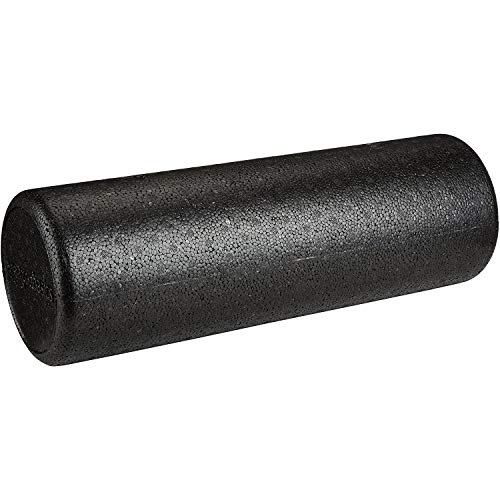
Amazon Basics High-Density Foam Roller for Exercise and Recovery, 18 Inches, Black
High-density foam roller in Black
As an affiliate, we earn on qualifying purchases.
As an affiliate, we earn on qualifying purchases.
Frequently Asked Questions
How Often Should I Perform Stretching Routines for Optimal Recovery?
You should perform stretching routines at least 3 to 5 times a week to optimize recovery and maintain muscle elasticity. Consistent stretching improves flexibility and helps prevent injury. Focus on gentle, sustained stretches and listen to your body. Incorporate a mix of dynamic stretches before activity and static stretches afterward. This regular stretching frequency guarantees your muscles stay supple, promoting better mobility and quicker recovery.
Are There Specific Stretches for Different Sports or Activities?
Think of your muscles as a toolbox; different sports call for specific tools. Sport-specific stretches target the muscles you’ll use most, like hamstring stretches for runners or shoulder rolls for swimmers. Activity-focused routines help your body stay in tune with your sport’s demands, preventing injuries and boosting performance. Incorporate these tailored stretches into your warm-up and cool-down to keep your body primed, flexible, and ready to perform at its best.
Can Stretching Routines Help Prevent Future Injuries?
Yes, stretching routines can help prevent future injuries by improving muscle elasticity. When you regularly stretch, you increase your muscles’ flexibility, making them less prone to strains and tears during activity. Incorporating targeted stretches into your routine prepares your muscles for movement, enhances blood flow, and supports injury prevention. Consistent stretching not only boosts performance but also helps you stay injury-free over the long term.
What Are the Signs of Overstretching or Overstressing Muscles?
Think of your muscles like overused rubber bands—when overstretched, they snap or become sore. Signs of overstretching or overstressing muscles include muscle fatigue, which feels like a heavy, draining weight, and joint pain, like a sharp pinch or throbbing. You might also notice decreased flexibility, lingering soreness, or even minor strains. If you experience these, it’s a clear warning to ease up and give your muscles time to recover.
How Does Hydration Affect Flexibility and Recovery?
Hydration plays a vital role in your flexibility and recovery. When you stay well-hydrated, you support electrolyte balance, which helps muscles function smoothly and prevents cramps. Timing your hydration properly—drinking water before, during, and after workouts—ensures your muscles stay pliable and recover faster. Adequate hydration reduces stiffness, enhances stretching, and promotes quicker recovery, so you can move freely and avoid injuries.
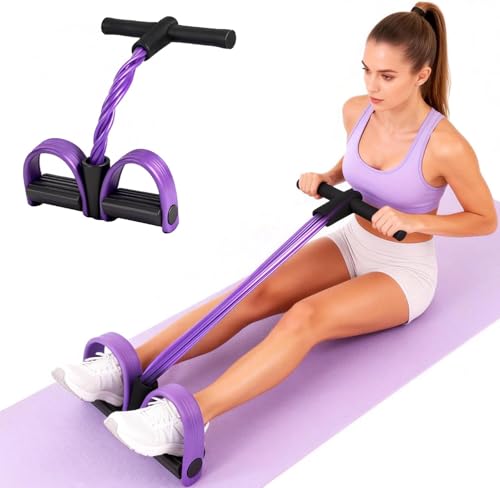
Multifunction Tension Rope, 6-Tube Elastic Yoga Pedal Puller Resistance Band, Natural Latex Tension Rope Fitness Equipment, for Abdomen/Waist/Arm/Leg Stretching Slimming Training (Purple)
👍【6 TUBES PEDAL RESISTANCE BAND】- FateFan 6 tube pedal fitness ropeis made of enviromental foam, and tube is…
As an affiliate, we earn on qualifying purchases.
As an affiliate, we earn on qualifying purchases.
Conclusion
Think of your body like a well-tuned machine—you wouldn’t ignore oil changes or tune-ups. Regular stretching and mobility routines act as those essential maintenance checks, helping you prevent injuries and enhance performance. I once saw a runner improve her stride dramatically after just a few weeks of dedicated flexibility work. Remember, consistency is key. By prioritizing your recovery and mobility, you’re investing in a smoother, more resilient journey—because a flexible body moves with less friction and more ease.
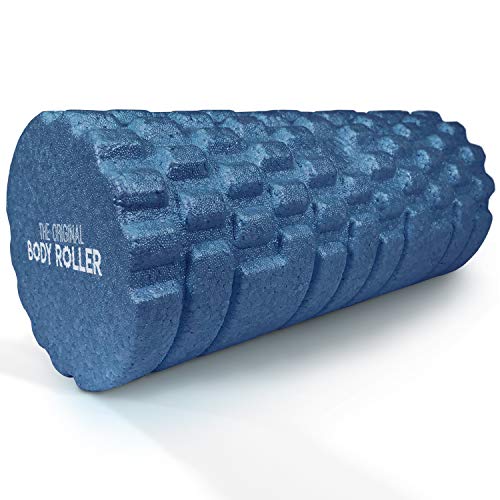
The Original Body Roller – High Density Foam Roller Massager for Deep Tissue Massage of The Back and Leg Muscles – Self Myofascial Release of Painful Trigger Point Muscle Adhesions – 13" Blue
3D textured rollers measure 12.5 x 5.5 inches with triple massage zones to replicate the fingers , thumbs…
As an affiliate, we earn on qualifying purchases.
As an affiliate, we earn on qualifying purchases.

Trideer Stretching Strap Yoga Strap Physical Therapy for Home Workout, Exercise, Pilates and Gymnastics, 10 Loops Non-Elastic Stretch Bands with Aesthetic Packaging for Women & Men (Black)
Long Lasting Premium Quality: Made of sturdy polypropylene, this tough yoga strap stands out in a crowd by…
As an affiliate, we earn on qualifying purchases.
As an affiliate, we earn on qualifying purchases.