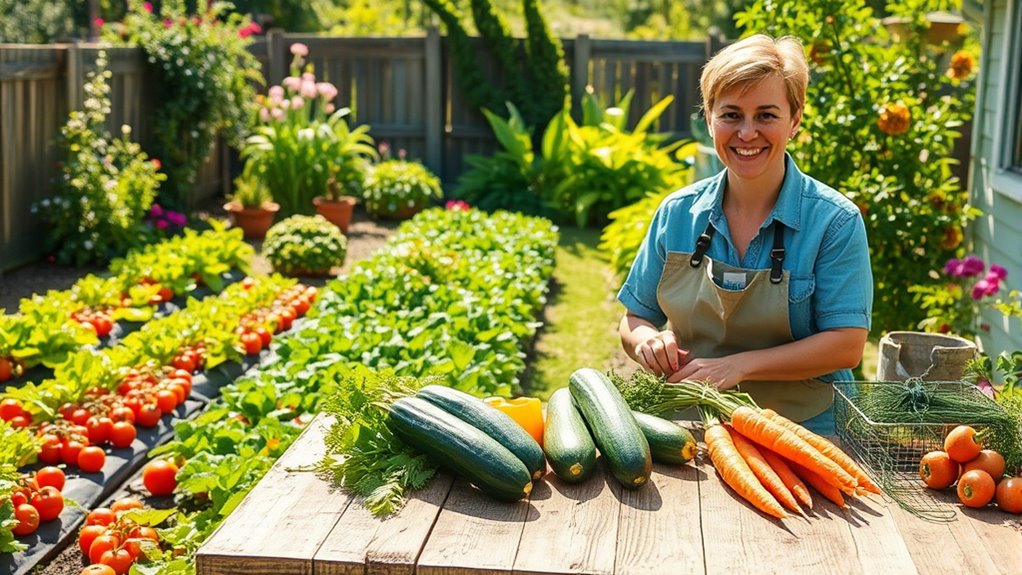

Turning your green thumb into a profitable side hustle can boost your income while supporting sustainability. You can grow organic vegetables, herbs, or fruits in small urban spaces and sell them at farmers’ markets, through CSA programs, or online. Getting certified as organic increases your product’s value and attracts health-conscious buyers. Staying compliant with local regulations and building strong customer relationships will help you grow your profits. Keep exploring to discover practical tips for launching your homegrown produce business.

Get the little things that make your day delivered free with Prime
- Fast, free delivery on millions of items
- Prime Video, Amazon Music and more included
- Member-only deals all year
Key Takeaways
- Transform small urban spaces into productive farms to generate additional income from organic vegetables, herbs, and fruits.
- Obtain organic certification to enhance product value, attract health-conscious buyers, and access higher-paying markets.
- Focus on sustainable practices like composting and natural pest control to ensure long-term farm productivity and compliance.
- Engage with local markets, CSAs, and online platforms to build direct customer relationships and expand sales channels.
- Stay informed about local regulations and maintain proper documentation to streamline sales, certification, and legal compliance.
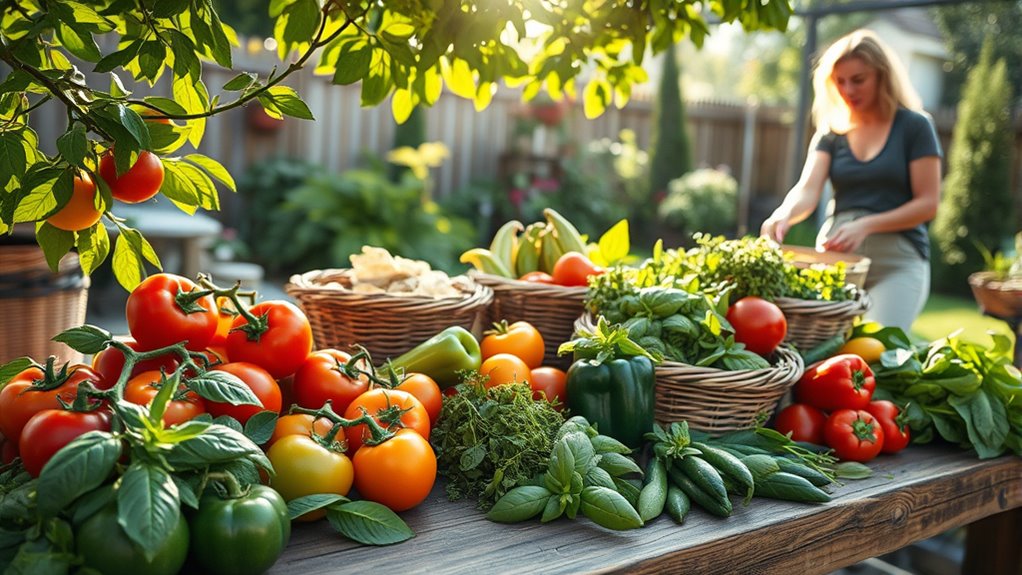
Have you ever wondered how to turn your garden’s bounty into income? If you’re passionate about growing your own food, you might find that selling your homegrown produce is a rewarding way to boost your finances. Urban farming is becoming increasingly popular, especially in city environments where space is limited but demand for fresh, local food is high. By transforming a small backyard or even balcony into a productive farm, you can cultivate a variety of vegetables, herbs, and fruits that appeal to health-conscious consumers. Urban farming not only allows you to produce fresh, organic food but also offers the opportunity to build a local customer base eager for quality produce. Achieving organic certification can further elevate your produce’s value, giving you a competitive edge in the market. Organic certification assures buyers that your products meet strict standards, free from synthetic pesticides, fertilizers, and genetically modified organisms. It can open doors to farmers’ markets, specialty grocery stores, or even direct-to-consumer sales through online platforms. The process might seem intimidating at first, but with proper planning and documentation, you can obtain certification that proves your commitment to organic practices. When you’re certified, your produce stands out, and you can command higher prices, increasing your profit margins.
To get started, focus on creating a sustainable urban farm that emphasizes soil health and pest management through organic methods. Use compost, natural pest controls, and crop rotation to maintain healthy plants. Additionally, understanding regulations for selling produce in your area is essential for compliance and success. Many cities have specific rules about urban farming and food sales, so understanding these policies guarantees you stay compliant. Once your setup is ready, consider attending farmers’ markets or joining community-supported agriculture (CSA) programs. These avenues allow you to connect directly with buyers who value fresh, local, and organic food. Social media and a simple website can also help you promote your produce and build a loyal customer base. Keep records of your growing practices, sales, and expenses to streamline the certification process and track your profitability. Remember, transparency and quality are key to building trust with your customers.
As an affiliate, we earn on qualifying purchases.
Frequently Asked Questions
What Are the Best Crops for Beginner Gardeners?
When starting your garden, choose easy crops like radishes, lettuce, or beans. Good garden planning helps you decide what to grow based on your climate and space. Focus on soil preparation by enriching your soil with compost and ensuring proper drainage. These steps set a strong foundation, making it simple for you to succeed as a beginner gardener. You’ll enjoy fresh produce and gain confidence with each harvest!
How Do I Price My Homegrown Produce Competitively?
They say “know your worth,” and that’s key when pricing your produce. To do this, start with market research—check local markets and online prices for similar items. Use smart pricing strategies like competitive pricing or bundling. This way, you attract buyers while making a profit. Stay flexible and adjust prices based on demand, season, and quality. Your goal is to find that perfect balance.
What Permits or Licenses Are Needed to Sell Produce Locally?
When selling produce locally, you need to check farmers market requirements and local regulations. You might need a food handler’s permit or a business license, depending on your area. Some places require inspections or certifications for selling fresh produce. Visit your city or county’s health department or farmers market authority to get specific details. Staying compliant guarantees you can sell your homegrown produce smoothly and legally.
How Can I Prevent Pests Without Harmful Chemicals?
You can prevent pests naturally by using organic gardening techniques like introducing beneficial insects, such as ladybugs, or applying neem oil. Keep your garden healthy with proper spacing, crop rotation, and removing diseased plants. Natural pest control methods avoid harmful chemicals, protecting your produce and the environment. Regularly inspect your plants, act quickly on early signs of pests, and maintain soil health to keep pests at bay effectively and safely.
What Are Effective Ways to Market My Homegrown Produce?
Did you know that 70% of consumers say they discover new products on social media? To effectively market your homegrown produce, leverage social media marketing by sharing vibrant photos and engaging stories. Attend local farmer’s markets to connect directly with your community, build trust, and boost sales. Combining online presence with face-to-face interactions maximizes your reach and helps turn your fresh harvest into a thriving side hustle.
Conclusion
As you harvest the fruits of your labor, imagine your garden as a lush, green treasure chest, each ripe vegetable a shining gem. With every sale, you’re not just boosting your wallet but nurturing a sustainable connection to the earth. Your homegrown bounty transforms your space into a vibrant marketplace, where your passion blossoms into profit. Keep tending your garden, and watch your efforts bloom into lasting abundance—both in your pocket and in your soul.
Halloween Picks
halloween
As an affiliate, we earn on qualifying purchases.