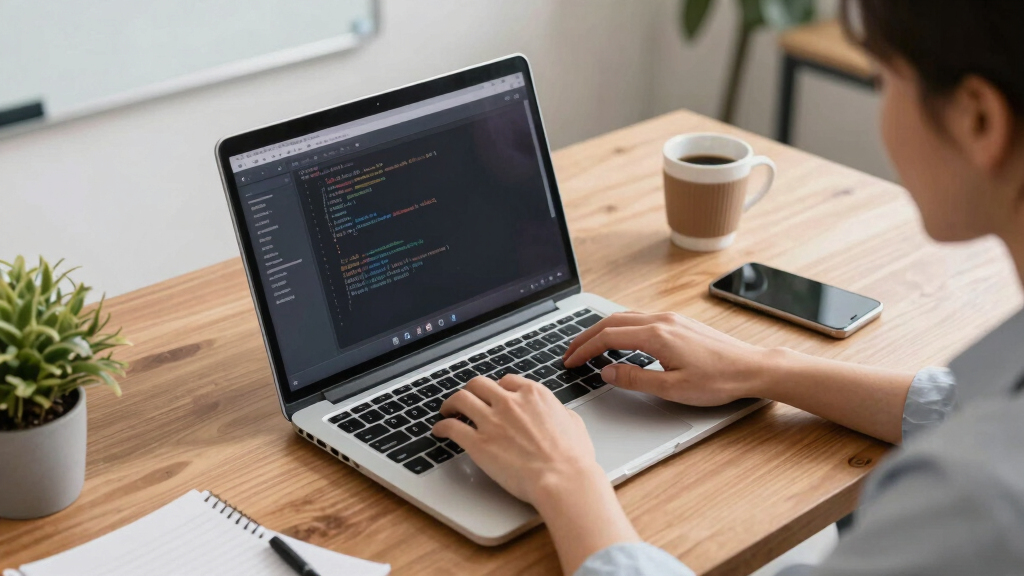

Searching for the best programming books in 2026? The right book can transform your coding journey, whether you’re just starting out or aiming to deepen your expertise. Code Complete stands out as the best overall choice for its comprehensive coverage of software construction, while Fluent Python offers an in-depth look at Python for experienced developers. For beginners, Python Crash Course provides a practical, hands-on approach, but it might lack the depth some advanced programmers need. The main challenge in this category is balancing depth with accessibility—some books excel at teaching fundamentals, while others focus on advanced concepts. Continue reading for a detailed breakdown of each pick and how they compare to help you make the best choice.

Get the little things that make your day delivered free — and shop member deals
- Fast, free delivery on millions of items
- Access to Prime Big Deal Days deals on October 6–7
- Prime Video, Amazon Music and more included
Key Takeaways
- The top picks balance foundational knowledge with practical application, catering to different skill levels.
- Many of the best books emphasize code quality, maintainability, and software craftsmanship.
- Advanced titles like ‘Clean Architecture’ and ‘Design Patterns’ are best suited for experienced developers seeking structure and design insights.
- Beginner-focused books often use project-based learning to build confidence and skills quickly.
- Price and depth vary significantly; more comprehensive books tend to be more expensive but offer greater long-term value.


| programming book | Pages | Language | Publication Year | Audience |
|---|---|---|---|---|
| Code Complete | 944 | English | 2004 | Intermediate to advanced programmers |
| Python Programming Language: A | 6 pages | English | — | — |
| The Self-Taught Programmer: Th | 280 | English | 2019 | Self-learners, beginners |
| Python Programming for Young C | 144 | English | 2018 | — |
| Clean Architecture: A Craftsma | 432 | English | 2017 | Advanced developers, architects |
| Software Engineering at Google | 416 | English | 2020 | Intermediate to advanced developers |
| Fluent Python: Clear | 792 | English | 2015 | Intermediate to advanced Python developers |
| Cracking the Coding Interview: | 687 | English | 2015 | Job seekers, software engineers |
| A Philosophy of Software Desig | 192 | English | 2019 | Senior developers, architects |
| 50 Algorithms Every Programmer | 320 | English | 2020 | Intermediate to advanced programmers |
| The Pragmatic Programmer: Your | 352 | English | 1999 (20th Anniversary Edition 2019) | Intermediate to advanced developers |
| Clean Code: A Handbook of Agil | 464 | English | 2008 | Intermediate to advanced developers |
| Python Crash Course | 560 | English | 2020 | Beginners and novices |
| Code: The Hidden Language of C | 400 | English | 2001 | Students, tech enthusiasts, hobbyists |
| Design Patterns: Elements of R | 395 | English | 1994 | Advanced developers and software architects |
More Details on Our Top Picks
Code Complete
Code Complete stands out as a foundational resource that covers a wide range of best practices and principles for writing high-quality software. Compared with Clean Code, it offers a more comprehensive and detailed exploration of software construction, making it ideal for those seeking a deep understanding of coding techniques. However, it can be quite dense, especially for newcomers to programming, and its focus remains primarily on development practices rather than language-specific tutorials. This book is best suited for experienced developers or those willing to invest time in mastering fundamental concepts that can be applied across projects.
Pros:- Provides in-depth guidance on software construction principles
- Widely regarded as a classic in programming literature
- Suitable for both beginners and experienced developers looking for comprehensive coverage
Cons:- May be too dense for readers new to programming
- Focuses primarily on general development practices, less on specific languages
Best for: Intermediate to advanced programmers and software engineers seeking a thorough grounding in coding principles
Not ideal for: Beginners who need step-by-step tutorials or quick-start guides, as the material can feel overwhelming
- Pages:944
- Publication Year:2004
- Author:Steve McConnell
- Language:English
- ISBN:0735619670
- Format:Hardcover / Paperback
- Audience:Intermediate to advanced programmers
Our verdict“A must-have for serious programmers aiming to understand the core principles of writing robust, maintainable code.”
Python Programming Language: A QuickStudy Laminated Reference Guide
This laminated guide offers quick access to essential Python syntax and concepts, making it a handy resource for both students and developers. Unlike Clean Code or Code Complete, which delve into broader principles, this guide is designed for rapid reference rather than deep learning. Its portability makes it ideal for on-the-go coding, debugging, or quick refreshers. However, it lacks the depth needed for mastering advanced Python topics or understanding complex programming paradigms, which could be a limitation for those working on more sophisticated projects.
Pros:- Compact and portable laminated design for durability and convenience
- Quick reference for Python syntax, functions, and core concepts
- Ideal for learners and developers needing on-the-spot guidance
Cons:- Limited depth, not suitable for advanced topics or in-depth learning
- No explanations or tutorials, only quick look-up references
Best for: Python learners, students, or developers who need quick syntax reminders during coding sessions
Not ideal for: Advanced Python developers or those seeking comprehensive tutorials, as it covers only basics and syntax highlights
- Format:Laminated Reference Guide
- Language:English
- Pages:6 pages
- Size:8.5 x 11 inches
- ISBN:1423251652
- Author:Independently published
- Intended Audience:Beginners and students
Our verdict“Perfect for quick reference and on-the-fly coding support, especially for beginners and students.”
The Self-Taught Programmer: The Definitive Guide to Programming Professionally
The Self-Taught Programmer offers a comprehensive roadmap for those learning coding independently, covering fundamental concepts, career advice, and practical skills. Compared with Code Complete, which is more about construction practices, this book emphasizes the journey of becoming a professional programmer, making it especially useful for self-learners. Its holistic approach includes not only coding but also soft skills and job market insights. A drawback is the lack of detailed technical specifications or advanced topics, which might leave experienced developers wanting more depth. This makes it ideal for beginners motivated to navigate their programming careers independently.
Pros:- Provides a comprehensive guide for self-learners
- Covers essential programming concepts and career strategies
- Helpful for understanding how to transition from learner to professional
Cons:- No detailed technical specifications or language-specific tutorials
- Lacks in-depth coverage of advanced programming topics
Best for: Self-taught individuals aiming to start a professional programming career
Not ideal for: Experienced developers seeking advanced technical knowledge or specific language mastery
- Author:Cory Althoff
- Pages:280
- Publication Year:2019
- Language:English
- ISBN:0999685902
- Format:Paperback
- Audience:Self-learners, beginners
Our verdict“A valuable starting point for aspiring programmers eager to learn both coding and career essentials on their own.”
Python Programming for Young Coders: A Hands-On, Project-Based Introduction to Coding for Beginners, Kids, and Teens
Python Programming for Young Coders makes learning to code accessible and engaging through hands-on projects tailored for kids and teens. This approach sets it apart from more theoretical books like Code Complete or The Self-Taught Programmer, which are aimed at older or more advanced learners. Its focus on practical, project-based exercises helps young beginners develop tangible coding skills early on. The tradeoff, however, is that the content remains quite basic and may not satisfy older or more experienced learners seeking deeper programming concepts or language mastery.
Pros:- Hands-on, project-based learning for active engagement
- Designed specifically for beginners and young learners
- Builds practical coding skills with fun exercises
Cons:- Content may be too simple for more experienced programmers
- Limited depth on programming concepts beyond basic Python
Best for: Kids and teens just starting to learn programming with no prior experience
Not ideal for: Adult learners or those with prior coding experience looking for advanced content
- Author:Joey Bernhardt
- Pages:144
- Publication Year:2018
- Language:English
- ISBN:0999740865
- Format:Paperback
- Intended Audience:Kids, teens, beginners
Our verdict“An excellent starter for young learners to develop basic coding skills through engaging projects.”
Clean Architecture: A Craftsman’s Guide to Software Structure and Design
Clean Architecture by Robert C. Martin offers detailed principles for designing scalable, maintainable software systems. Compared with Code Complete or The Pragmatic Programmer, it zeroes in on architectural patterns and high-level design, making it indispensable for architects and senior developers. Its technical depth, however, makes it less accessible for beginners or those seeking hands-on coding tutorials. If you’re working on large, complex projects requiring flexible architecture, this book provides practical insights, but less so for newcomers or those interested in language specifics.
Pros:- Comprehensive guidance on designing maintainable systems
- Authored by renowned expert Robert C. Martin
- Practical principles for scalable and flexible architecture
Cons:- May be too technical for beginners
- Requires prior knowledge of software development concepts
Best for: Software architects, senior developers, and those designing large or scalable systems
Not ideal for: Beginners or developers seeking beginner-friendly tutorials, as the content is highly technical
- Pages:432
- Publication Year:2017
- Author:Robert C. Martin
- Language:English
- ISBN:0134494164
- Format:Hardcover
- Audience:Advanced developers, architects
Our verdict“Ideal for experienced developers and architects focusing on large-scale, sustainable system design.”
Software Engineering at Google: Lessons Learned from Programming Over Time
This book stands out for its in-depth look at Google’s software engineering practices, offering real-world lessons that go beyond theoretical principles. Compared with The Pragmatic Programmer, which covers broad best practices, this title provides specific insights from Google’s engineering culture, making it valuable for those wanting practical, high-level strategies. However, its heavy technical focus and lack of beginner guidance mean it’s less suitable for newcomers. This pick makes the most sense for seasoned developers aiming to understand large-scale software systems and engineering challenges at a top tech company.
Pros:- Provides valuable insights from Google’s engineering team
- Covers practical lessons learned over years of experience
- Useful for understanding large-scale system design and maintenance
- Focuses on real-world challenges and strategies
Cons:- Content can be very technical and dense for newcomers
- Lacks step-by-step tutorials or code examples
Best for: Experienced software engineers and technical leads looking to learn from Google’s engineering practices
Not ideal for: Beginners or readers seeking introductory or hands-on programming examples
- Author:Christian C. Lentz
- Pages:416
- Publication Year:2020
- Focus:Industry practices, large-scale systems
- Audience:Intermediate to advanced developers
- Language:English
Our verdict“This book is ideal for experienced developers interested in large-scale engineering insights and industry best practices.”
Fluent Python: Clear, Concise, and Effective Programming
Compared with Cracking the Coding Interview, which concentrates on problem-solving for interviews, Fluent Python dives deep into Python’s advanced features, making it ideal for intermediate to advanced users seeking to write cleaner, more efficient code. While it offers comprehensive coverage of Python’s capabilities, it might challenge beginners due to its focus on more complex topics. This book is best suited for Python programmers aiming to refine their skills and embrace idiomatic coding practices, but less so for those just starting out or needing guided projects.
Pros:- Deep exploration of Python’s advanced features
- Focuses on writing clear, effective, and Pythonic code
- Covers topics like decorators, generators, and concurrency
- Helps elevate coding style and efficiency
Cons:- Challenging for beginners lacking foundational knowledge
- Lacks practical, project-based examples for applied learning
Best for: Intermediate to advanced Python developers focused on writing efficient, idiomatic code
Not ideal for: Absolute beginners or those looking for project-based learning or tutorials
- Author:Luciano Ramalho
- Pages:792
- Publication Year:2015
- Focus:Python language features, best practices
- Audience:Intermediate to advanced Python developers
- Language:English
Our verdict“Perfect for Python programmers ready to deepen their understanding and write cleaner, more efficient code.”
Cracking the Coding Interview: 189 Programming Questions and Solutions
This book makes a strong case for preparing programmers for real interview scenarios, providing a vast collection of questions and detailed solutions. Unlike 50 Algorithms Every Programmer Should Know, which offers a broader overview of algorithms, this book focuses on the types of problems candidates are most likely to encounter in interviews. While it’s invaluable for those honing problem-solving skills, it doesn’t include online resources or interactive content, which might limit its utility for some learners. It’s best suited for candidates aiming to practice under exam-like conditions and master common interview questions.
Pros:- Extensive collection of interview questions
- Detailed solutions with explanations
- Covers a wide range of topics from arrays to dynamic programming
- Helps build confidence for technical interviews
Cons:- Lacks online or interactive practice resources
- No recent edition details or updates included
Best for: Job seekers preparing for coding interviews at tech companies
Not ideal for: Beginners or programmers looking for general programming knowledge without interview focus
- Author:Gayle Laakmann McDowell
- Pages:687
- Publication Year:2015
- Focus:Interview prep, coding questions
- Audience:Job seekers, software engineers
- Language:English
Our verdict“This book is highly recommended for candidates focused on practicing coding problems for technical interviews and improving problem-solving speed.”
A Philosophy of Software Design, 2nd Edition
This title emphasizes the importance of simplicity and maintainability in software design, providing philosophical insights that resonate with Clean Architecture. While it offers deep principles and thought-provoking ideas, it doesn’t include concrete technical examples or code snippets, which might leave some readers craving more practical guidance. This makes it ideal for experienced developers and architects who want to reflect on the foundational aspects of good design, but less suitable for beginners or those seeking detailed technical instructions.
Pros:- Deep insights into the principles of good software design
- Focuses on simplicity and long-term maintainability
- Thought-provoking and encourages better design thinking
- Aids in developing a systemic view of software architecture
Cons:- Lacks practical examples or detailed technical guidance
- Limited focus on implementation specifics
Best for: Senior developers and software architects interested in design philosophies
Not ideal for: Beginners or developers seeking hands-on coding guidance
- Author:John Ousterhout
- Pages:192
- Publication Year:2019
- Focus:Design philosophy, maintainability
- Audience:Senior developers, architects
- Language:English
Our verdict“Ideal for seasoned developers and architects aiming to deepen their understanding of design philosophy and principles.”
50 Algorithms Every Programmer Should Know
Compared to Fluent Python, which focuses on language-specific features, this book offers a broad overview of essential algorithms applicable across different fields, from cryptography to machine learning. It’s a dense but comprehensive guide for programmers wanting to understand the core algorithms that underpin much of software development. The lack of detailed examples in the description may reflect a need for supplementary resources, making it less ideal for absolute beginners but invaluable for those seeking a solid foundation in algorithms and data structures to solve complex problems efficiently.
Pros:- Covers a wide range of essential algorithms
- Applicable to many fields like machine learning, cryptography, and data systems
- Provides a strong theoretical foundation
- Useful for tackling complex technical challenges
Cons:- Lacks detailed practical examples or implementation code
- Might be dense for readers without prior background in algorithms
Best for: Programmers seeking a solid grounding in core algorithms for various applications
Not ideal for: Beginners without prior understanding of basic data structures or algorithms
- Author:George Heineman
- Pages:320
- Publication Year:2020
- Focus:Algorithms, problem-solving
- Audience:Intermediate to advanced programmers
- Language:English
Our verdict“Best suited for experienced programmers aiming to deepen their understanding of fundamental algorithms across multiple domains.”
The Pragmatic Programmer: Your Journey to Mastery, 20th Anniversary Edition
This edition of The Pragmatic Programmer remains a cornerstone for software developers seeking timeless advice. Compared to Clean Code, which emphasizes craftsmanship, this book offers broader principles that cover both technical and professional growth, making it suitable for developers aiming for a comprehensive foundation. The book’s strength lies in its adaptable, principle-based guidance, but some content may feel slightly outdated for those working with cutting-edge technologies. Its pragmatic approach makes it ideal for mid-career programmers wanting to refine their craft, though absolute beginners might find some sections too dense. Overall, this book is best for developers seeking enduring principles that transcend specific languages or frameworks.
Pros:- Offers timeless, adaptable guidance applicable across decades
- Covers both technical practices and professional development
- Highly regarded within the programming community
Cons:- Can be too technical or abstract for newcomers
- Some examples may not reflect modern tech stacks
Best for: Mid-career developers or those interested in foundational principles for professional growth
Not ideal for: Absolute beginners seeking a gentle, language-specific introduction
- Publication Year:1999 (20th Anniversary Edition 2019)
- Pages:352
- Language:English
- Format:Hardcover / Paperback
- ISBN:0135957052
- Audience:Intermediate to advanced developers
Our verdict“A must-read for developers looking to deepen their understanding of core programming philosophies and improve their craft over time.”
Clean Code: A Handbook of Agile Software Craftsmanship
Clean Code is the go-to resource for developers who want to write more maintainable and efficient code. Unlike The Pragmatic Programmer, which offers broad principles, this book dives deep into concrete practices for crafting high-quality code, making it ideal for those looking to improve code readability and reduce bugs. Its real-world examples and focus on practicality make it a favorite among teams adopting agile methodologies. However, the dense, sometimes prescriptive nature may be daunting for beginners, and it concentrates heavily on craftsmanship, leaving out broader project management or architectural concerns. This book is best suited for developers committed to coding discipline and quality assurance.
Pros:- Provides clear, practical guidelines for writing clean code
- Widely regarded as essential reading for software craftsmanship
- Includes numerous real-world examples for better understanding
Cons:- Can be dense and technical for those new to programming
- Focuses primarily on code quality rather than design or architecture
Best for: Developers aiming to improve code quality and craftsmanship
Not ideal for: Beginners who need a gentle, language-agnostic introduction to programming concepts
- Publication Year:2008
- Pages:464
- Language:English
- Format:Hardcover / Paperback
- ISBN:0132350882
- Audience:Intermediate to advanced developers
Our verdict“Ideal for developers who want to elevate their coding practices and produce cleaner, more reliable software.”
Python Crash Course, 3rd Edition: A Hands-On, Project-Based Introduction to Programming
Python Crash Course makes an excellent starting point for complete newcomers who want a practical, project-driven introduction to programming. Its focus on hands-on projects contrasts with The Pragmatic Programmer, which is more conceptual, making this book more accessible for absolute beginners. While it covers core Python fundamentals thoroughly, it doesn’t delve into advanced topics, which could leave more ambitious learners wanting more. Additionally, the lack of online resources may be a drawback for those seeking supplementary materials. This book is ideal for beginners eager to learn by doing and build tangible projects from the start.
Pros:- Engaging, project-based learning approach
- Comprehensive coverage of Python basics
- Perfect for those new to coding
Cons:- Does not include detailed coverage of advanced concepts
- No mention of online or interactive resources
Best for: Complete beginners interested in learning Python through practical projects
Not ideal for: Experienced programmers seeking advanced Python topics or language-agnostic content
- Publication Year:2020
- Pages:560
- Language:English
- Format:Paperback
- ISBN:1718502702
- Audience:Beginners and novices
Our verdict“Best suited for absolute beginners who want to learn Python by building real-world projects from the outset.”
Code: The Hidden Language of Computer Hardware and Software
Code offers a fascinating exploration of how hardware and software interact at a low level, providing insights that go beyond typical programming books like Python Crash Course. It’s less about coding syntax and more about understanding the fundamental language that computers use, making it ideal for students or tech enthusiasts who want to peek under the hood of modern computing. Unlike The Pragmatic Programmer, which focuses on best practices, this book emphasizes foundational concepts at a hardware-software interface. Its accessible explanations make complex topics approachable, but it lacks detailed technical data or specifications for those seeking in-depth technical references. This book is perfect for readers aiming to understand the core language of computers, not just how to code.
Pros:- Provides in-depth understanding of hardware and software fundamentals
- Accessible explanations of complex technical concepts
- Suitable for a broad audience with technical curiosity
Cons:- Lacks detailed technical specifications
- No technical data or performance benchmarks included
Best for: Students, hobbyists, and tech enthusiasts interested in the fundamentals of hardware and software
Not ideal for: Professional developers seeking practical coding techniques or architecture guidance
- Publication Year:2001
- Pages:400
- Language:English
- Format:Hardcover
- ISBN:0137909101
- Audience:Students, tech enthusiasts, hobbyists
Our verdict“Ideal for those wanting a clear, foundational understanding of how computers work at a low level rather than coding techniques.”
Design Patterns: Elements of Reusable Object-Oriented Software
Design Patterns remains a foundational text for understanding reusable object-oriented solutions, making it a key resource for experienced developers working on complex systems. Compared with The Pragmatic Programmer, which covers broad principles, this book dives specifically into recurring design problems and their solutions, providing a language for discussing architecture. Its numerous practical examples help in applying patterns to real projects, but the dense, sometimes old-fashioned language can be intimidating for those new to design concepts. Moreover, the lack of recent updates means some newer design trends are not covered. This book is best suited for seasoned developers needing a solid vocabulary for design problems and solutions.
Pros:- Comprehensive and authoritative coverage of design patterns
- Widely regarded as a standard in software engineering
- Includes practical, real-world examples
Cons:- Can be dense and challenging for beginners
- Older edition may omit recent design innovations
Best for: Experienced developers involved in designing reusable, modular software architectures
Not ideal for: Beginners or those primarily interested in modern, evolving design practices
- Publication Year:1994
- Pages:395
- Language:English
- Format:Hardcover
- ISBN:0201633612
- Audience:Advanced developers and software architects
Our verdict“Essential reading for advanced developers focused on creating reusable, well-structured object-oriented systems.”
How We Picked
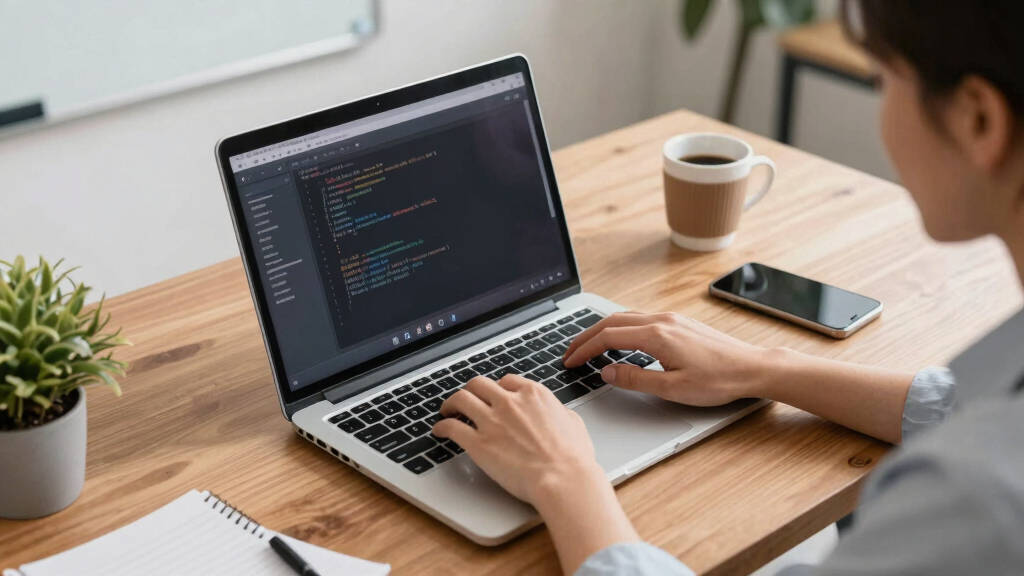
These books were evaluated based on their relevance to current programming practices, clarity, depth of content, and reputation within the developer community. We prioritized books that offer both practical advice and theoretical insights, ensuring they serve as valuable resources for learners at various stages. The ranking also considers ease of understanding, the currency of the material, and the diversity of topics covered. By comparing these factors, we aimed to highlight books that provide the best balance of quality, accessibility, and long-term usefulness for a wide audience of programmers.| programming book | Format |
|---|---|
| Code Complete | Hardcover / Paperback |
| Python Programming Language: A | Laminated Reference Guide |
| The Self-Taught Programmer: Th | Paperback |
| Python Programming for Young C | Paperback |
| Clean Architecture: A Craftsma | Hardcover |
| Software Engineering at Google | — |
| Fluent Python: Clear | — |
| Cracking the Coding Interview: | — |
| A Philosophy of Software Desig | — |
| 50 Algorithms Every Programmer | — |
| The Pragmatic Programmer: Your | Hardcover / Paperback |
| Clean Code: A Handbook of Agil | Hardcover / Paperback |
| Python Crash Course | Paperback |
| Code: The Hidden Language of C | Hardcover |
| Design Patterns: Elements of R | Hardcover |
Factors to Consider When Choosing Best Programming Books
Choosing the right programming book depends on your current skill level, goals, and preferred learning style. It’s important to consider not just the content but also how the book aligns with your specific needs. Here are key factors to keep in mind when selecting a programming book to ensure it delivers real value and helps you progress efficiently.Skill Level and Content Depth
Identify whether you’re a beginner, intermediate, or advanced developer. Beginners should look for books that introduce fundamental concepts with clear explanations and practical exercises. More experienced programmers might prefer books that focus on specific topics like architecture, design patterns, or performance optimization. Selecting a book that matches your current skill level ensures you won’t be overwhelmed or under-challenged, making your learning process more effective.
Practical Application vs. Theoretical Knowledge
Decide if you want a book that emphasizes hands-on projects and coding exercises or one that provides theoretical foundations. Books with real-world examples and projects help solidify skills through practice, which is ideal for beginners or those seeking immediate applicability. Conversely, theoretical books are better suited for deep dives into concepts like software design principles or algorithms, which benefit more experienced developers wanting to refine their understanding.
Author Reputation and Community Feedback
Look for authors with a strong reputation in the programming world and positive reviews from the developer community. Well-regarded authors tend to produce clearer, more accurate, and more insightful content. Community feedback can also reveal how practical or up-to-date a book is, helping you avoid outdated or overly niche titles that might not provide broad value.
Price and Long-term Value
While some books are affordable, others with comprehensive content may be more costly. Consider whether the investment aligns with your learning goals—more expensive books often provide richer content, updates, and supplementary resources. Think about the long-term value; a well-chosen book can serve as a reference for years, making higher upfront costs worthwhile if it covers core principles and best practices.
Format and Learning Style
Different books come in various formats—physical, e-book, or interactive online editions. Choose a format that suits your study habits. Visual learners might prefer books with diagrams and illustrations, while others may favor text-heavy resources for in-depth reading. Additionally, consider whether the book includes exercises, quizzes, or online resources to reinforce learning and engagement.
Frequently Asked Questions
Should I choose a beginner or advanced book if I am new to programming?
If you’re just starting out, a beginner-friendly book that introduces core programming concepts through simple projects and clear explanations is ideal. Advanced books often assume prior knowledge and can be overwhelming for newcomers. Starting with accessible, hands-on guides helps build confidence and foundational skills, making it easier to progress to more complex topics later.
The author’s reputation can significantly influence the quality and clarity of a book. Well-known authors often have extensive experience and a track record of producing reliable, well-structured content. Books by respected authors tend to be more accurate, up-to-date, and easier to understand, especially for complex topics. Reading reviews and checking the author’s background can help ensure you’re investing in a trustworthy resource.
Should I prioritize books with practical exercises over theoretical ones?
Practical exercises are essential for applying what you learn and reinforcing skills through active practice. If your goal is to become proficient quickly, books with hands-on projects, coding challenges, or real-world examples are more effective. However, combining practical books with more theoretical titles can provide a balanced understanding, especially for those aiming to master design principles or algorithms.
Is it worth investing in expensive programming books?
Higher-priced books often contain more comprehensive content, updated information, and additional resources like online access or exercises. If you are serious about your learning or working on complex projects, investing in quality books can pay off over time. However, there are also excellent affordable options that cover fundamentals well—it’s about matching the book’s depth with your specific learning needs and goals.
How often should I update my programming books collection?
Technology evolves rapidly, so updating your collection every few years ensures you stay current with best practices and new languages or frameworks. Focus on foundational titles that remain relevant, and supplement them with newer books or online resources for the latest developments. Regular updates help maintain your skills and keep your knowledge aligned with industry standards.
Conclusion
For those just starting out or seeking practical, easy-to-follow guidance, Python Crash Course makes the most sense. Developers aiming for a broad understanding of software craftsmanship should consider Code Complete or The Pragmatic Programmer. If you want to dive deep into Python, Fluent Python offers extensive insights, making it ideal for experienced programmers. For professionals focused on architecture and design, Clean Architecture and Design Patterns are excellent choices. Ultimately, your pick depends on your current skills, goals, and preferred learning style, but this list provides a solid starting point for every type of programmer in 2026.
NFL season / tailgating Picks
team gear
As an affiliate, we earn on qualifying purchases.