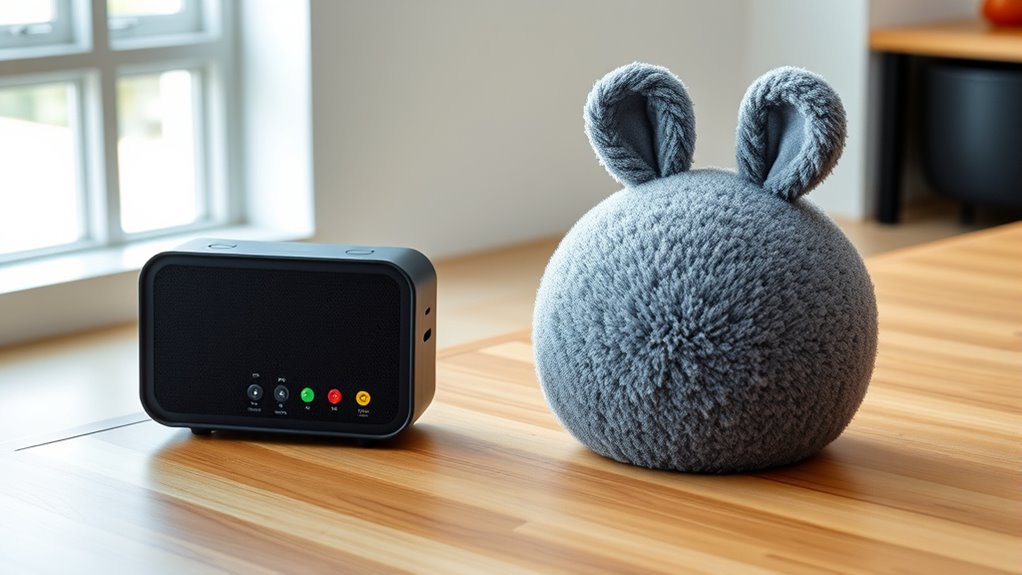

Choosing the right screen-free audio device for children can feel overwhelming with so many options. The Yoto Player (3rd Gen) and Toniebox are two popular choices, each with unique strengths. The Yoto Player (3rd Gen) + Starter Pack offers extensive content options and versatile features for older children who enjoy customization. Conversely, the Toniebox (not reviewed here, but often compared) shines with a simple, tactile design perfect for younger kids. For this roundup, I focus on five models, with the top picks being the Yoto Player (3rd Gen) + Disney Bundle for its ease of use and content variety, and the Yoto Mini (2024 Edition) for portability and simplicity. The main tradeoffs boil down to content access, device complexity, and physical controls, helping you decide which device matches your child’s age and your parental preferences.

Get the little things that make your day delivered free with Prime
- Fast, free delivery on millions of items
- Prime Video, Amazon Music and more included
- Member-only deals all year
Key Takeaways
- The Yoto Player (3rd Gen) excels with extensive content compatibility and multi-purpose features, making it ideal for older children or households seeking a versatile device.
- The Yoto Mini offers portability and straightforward controls, perfect for travel or younger children needing a simplified experience.
- Both Yoto devices rely on physical audio cards, which can be lost or require extra purchases, a key consideration for budget-minded families.
- Compared to Toniebox, Yoto devices often offer more customization and content options, but may be more complex to set up and manage.
- The choice largely depends on whether you prioritize content variety and advanced features or simplicity and portability.
| YOTO Player (3rd Gen) + Starter Pack for Little Kids Bundle |  | Best Overall for Versatility and Content Variety | Generation: 3rd | Battery Life: Up to 16 hours | Display: Pixel display | VIEW ON AMAZON | See Our Full Breakdown |
| YOTO Player (3rd Gen.) + Kids Disney Classics Bundle – Screen-Free, Ages 4+ |  | Best for Disney Fans and Easy Setup | Includes: YOTO Player + 6 Disney story cards | Age Range: Ages 4+ | Battery Life: Up to 16 hours | VIEW ON AMAZON | See Our Full Breakdown |
| YOTO Player (3rd Gen) – Kids Audio Player, Screen-Free, Ages 3-12 |  | Best for Wide Age Range and Offline Content | Battery Life: Up to 16 hours | Internal Storage: 32GB | Content Capacity: 600+ hours | VIEW ON AMAZON | See Our Full Breakdown |
| YOTO Mini (2024 Edition) + Starter Pack for Little Kids Bundle, Ages 3+ |  | Best for Ease of Use and Younger Kids | Includes: Yoto Mini + starter pack | Display: Pixel display | Battery Life: Up to 14 hours | VIEW ON AMAZON | See Our Full Breakdown |
| YOTO Mini (2024 Edition) Kids Travel Audio Player, Screen-Free, Ages 3-12 |  | Best for Travel and On-the-Go Listening | Battery Life: Up to 14 hours | Display: Pixel display | Content Compatibility: Over 1000+ cards | VIEW ON AMAZON | See Our Full Breakdown |
| yoto player vs toniebox review | Battery Life | Display | Content Compatibility | Features |
|---|---|---|---|---|
| YOTO Player | Up to 16 hours | Pixel display | Over 1000+ cards | Nightlight, alarm clock, thermometer, Bluetooth speaker |
| YOTO Player | Up to 16 hours | — | Over 1000+ cards | Pixel display, sleep sounds, nightlight, alarm clock |
| YOTO Player | Up to 16 hours | Pixel display | — | — |
| YOTO Mini | Up to 14 hours | Pixel display | Over 1000+ cards | Parental controls, Bluetooth, alarm clock |
| YOTO Mini | Up to 14 hours | Pixel display | Over 1000+ cards | — |
More Details on Our Top Picks
YOTO Player (3rd Gen) + Starter Pack for Little Kids Bundle
The YOTO Player (3rd Gen) + Starter Pack stands out for its multi-purpose design, combining a screen-free audio player with a nightlight, thermometer, and Bluetooth speaker. It supports over 1000+ cards, making it suitable for a wide age range and a variety of interests. Compared with simpler devices, it offers extensive customization, but this can introduce some setup complexity. Parental controls are robust, and its sleep-friendly design encourages independent play. However, the need to purchase additional cards for content can add to the cost, and some users find the app controls less intuitive. This model makes the most sense for parents who want a durable, adaptable device that grows with their child, but it may overwhelm younger children or those seeking minimal setup.
Pros:- Extensive content library with over 1000+ cards
- Multi-purpose features including nightlight and thermometer
- Strong parental controls and customization options
Cons:- Requires additional card purchases for full content access
- Setup can be complex, especially for non-tech-savvy parents
- Limited to content compatible with Yoto ecosystem
Best for: Children aged 4+ who enjoy variety and parental control
Not ideal for: Parents seeking a straightforward, minimal device with limited content purchases
- Generation:3rd
- Battery Life:Up to 16 hours
- Display:Pixel display
- Features:Nightlight, alarm clock, thermometer, Bluetooth speaker
- Content Compatibility:Over 1000+ cards
- Content Types:Stories, music, podcasts, activities
Our verdict“The YOTO Player (3rd Gen) + Starter Pack offers a flexible, feature-rich experience suited for older children or tech-inclined parents willing to manage content and setup.”
YOTO Player (3rd Gen.) + Kids Disney Classics Bundle – Screen-Free, Ages 4+
This version of the YOTO Player (3rd Gen) comes bundled with Disney classics, making it a clear choice for families with Disney-loving kids. Its straightforward card system and parental controls make setup quick and intuitive, especially for younger children aged 4 and above. The device’s multiple functions—nightlight, alarm clock, and room thermometer—add convenience, while its compatibility with over 1000+ cards keeps entertainment options open. The main drawback is that without additional cards, content is limited, and physical cards can be misplaced. Compared with other models, this pick simplifies content access for families prioritizing Disney stories and easy operation, but it might fall short for those seeking extensive customization or offline content.
Pros:- Pre-loaded with Disney classics and over 1000+ cards available
- Easy to set up and use, ideal for young children
- Multiple features including nightlight and sleep sounds
Cons:- Limited content without additional card purchases
- Physical cards can be lost or misplaced
- Some features may be overwhelming for very young children
Best for: Parents seeking a child-friendly, Disney-themed device with simple controls
Not ideal for: Families wanting a device with unlimited content without extra purchases
- Includes:YOTO Player + 6 Disney story cards
- Age Range:Ages 4+
- Battery Life:Up to 16 hours
- Features:Pixel display, sleep sounds, nightlight, alarm clock
- Content Compatibility:Over 1000+ cards
- Content Types:Stories, music, activities
Our verdict“This model is perfect for Disney fans and families valuing simplicity, though content flexibility depends on additional card purchases.”
YOTO Player (3rd Gen) – Kids Audio Player, Screen-Free, Ages 3-12
The YOTO Player (3rd Gen) is designed to accommodate children from age 3 to 12, offering a broad content library of audiobooks, music, and activities. Its 32GB of internal storage supports over 600 hours of offline listening, making it suitable for long trips or home use without constant internet. The device’s vivid pixel display, long battery life, and simple setup via a mobile app make it flexible for varied needs. However, it still relies on physical audio cards for content, which can be lost or require additional purchases. Compared to simpler kid-focused devices, this model provides a richer experience, but its complexity might be less suitable for the youngest children or parents seeking minimal management.
Pros:- Large internal storage supports extensive offline content
- Long battery life and fast USB-C charging
- Wide age range and content types including soundscapes and podcasts
Cons:- Requires physical cards for playback, risking loss
- No interactive features like cameras or microphones
- Setup via app can be complex for some users
Best for: Children aged 3-12 who enjoy a large offline content library
Not ideal for: Parents wanting a device with minimal setup or digital interaction
- Battery Life:Up to 16 hours
- Internal Storage:32GB
- Content Capacity:600+ hours
- Display:Pixel display
- Connectivity:USB-C, Bluetooth
- Content Types:Audiobooks, music, soundscapes, podcasts
Our verdict“This Yoto model offers a broad content library and flexibility for older children but may be overkill for very young kids or those preferring a simpler device.”
YOTO Mini (2024 Edition) + Starter Pack for Little Kids Bundle, Ages 3+
The YOTO Mini (2024 Edition) simplifies content access with easy-to-use controls and a compact design, making it ideal for younger children and travel. Its pixel display, parental controls, and support for over 1000+ cards ensure a safe, screen-free experience that’s straightforward for kids to operate. Setup is simple via the free app and physical audio cards, which are less likely to be lost compared to larger devices. The limited feature set compared to larger Yoto models makes it less versatile, but for parents prioritizing portability and ease, this device offers a compelling balance. The main tradeoff is that it’s primarily a content player without interactive or visual media capabilities.
Pros:- Compact, travel-friendly design
- Easy to set up with physical cards and app
- Parental controls and simple interface
Cons:- Limited to audio content; no visual or interactive features
- Requires physical cards, which can be misplaced
- Battery life may vary with usage
Best for: Parents seeking a portable, easy-to-manage device for young children
Not ideal for: Families needing extensive features or offline content storage
- Includes:Yoto Mini + starter pack
- Display:Pixel display
- Battery Life:Up to 14 hours
- Control Method:Audio cards, app
- Features:Parental controls, Bluetooth, alarm clock
- Content Compatibility:Over 1000+ cards
Our verdict“The YOTO Mini offers a straightforward, child-friendly experience suitable for travel and young children, with minimal setup and controls.”
YOTO Mini (2024 Edition) Kids Travel Audio Player, Screen-Free, Ages 3-12
This YOTO Mini (2024) version emphasizes portability, with a compact design ideal for travel, naps, and bedtime. Its physical controls, combined with a pixel display and parental controls, make it easy for kids to operate independently. The device’s long battery life and support for over 1000+ cards ensure a wide range of content, including audiobooks, music, and soundscapes. It does require physical cards, which might be lost, but its simplicity makes it a favorite for busy families on the move. Compared to larger models, this Yoto Mini sacrifices some features but gains in portability and ease of use, making it perfect for active children or frequent travelers.
Pros:- Lightweight and travel-friendly
- Long battery life for extended outings
- Easy to operate with physical cards and app
Cons:- Limited to audio content; no visual media
- Physical cards can be lost or misplaced
- Some features may require app setup or updates
Best for: Travel-loving families and children needing a portable entertainment option
Not ideal for: Home-only users seeking extensive features or offline storage
- Battery Life:Up to 14 hours
- Display:Pixel display
- Content Compatibility:Over 1000+ cards
- Control Method:Physical dials, app
- Connectivity:Bluetooth
- Age Range:3-12+
Our verdict“This Yoto Mini is best suited for active kids and families seeking a portable, simple device for travel or bedtime routines.”

How We Picked
We evaluated these devices based on their design, content flexibility, ease of use, parental controls, battery life, and overall value. We compared features across different age ranges, considering how each device supports independent play, content management, and durability. Our selections highlight devices that balance functionality with user-friendly controls, ensuring they suit different parenting styles and child ages.
| yoto player vs toniebox review | Battery Life | Features | Content Types |
|---|---|---|---|
| YOTO Player | Up to 16 hours | Nightlight, alarm clock, thermometer, Bluetooth speaker | Stories, music, podcasts, activities |
| YOTO Player | Up to 16 hours | Pixel display, sleep sounds, nightlight, alarm clock | Stories, music, activities |
| YOTO Player | Up to 16 hours | — | Audiobooks, music, soundscapes, podcasts |
| YOTO Mini | Up to 14 hours | Parental controls, Bluetooth, alarm clock | — |
| YOTO Mini | Up to 14 hours | — | — |
Factors to Consider When Choosing Yoto Player Vs Toniebox Review
Deciding between Yoto and Toniebox depends on your child’s age, your content preferences, and how much control you want over the experience. Both devices prioritize screen-free entertainment, but they differ in design, content access, and features. Here, I’ll help you understand the key factors to consider before making your choice, including content management, portability, ease of use, and parental controls.
Content Access and Library
The Yoto devices rely on physical audio cards, which offer a vast library of stories, music, and activities. This setup encourages tactile interaction but requires managing and purchasing cards, which can be lost. In contrast, Toniebox uses figurines that contain pre-loaded content, making it easy for younger children to select stories without handling cards. If your child loves a wide variety of content and you’re okay with managing physical media, Yoto offers more customization. However, for straightforward, no-fuss listening, Toniebox’s figurines are more intuitive.
Ease of Use and Setup
Yoto devices generally require initial setup via a mobile app and managing physical cards or digital content. They suit parents comfortable with technology and customization. Toniebox is designed for minimal setup: simply place the figurine on the box, and it starts playing content instantly. For families seeking a device that children can operate independently with minimal supervision, Toniebox’s tactile system wins out. Conversely, Yoto’s layered controls and app features appeal to parents who want more control and variety.
Portability and Durability
The Yoto Mini shines as a travel companion due to its compact size and long battery life, making it ideal for on-the-go use. Larger Yoto models are better suited for home use. Toniebox is generally larger but equally durable, designed to withstand rough handling typical of young children. If portability is a priority, the Yoto Mini or Yoto Travel Edition are strong choices. For durability and simple operation at home, Toniebox’s soft, rounded design is appealing.
Content Management and Parental Controls
Yoto devices offer extensive parental controls, allowing parents to curate content, set sleep timers, and manage device access through an app. This makes it easier to customize content for different ages or preferences. Toniebox provides basic controls and pre-loaded content, with fewer customization options but a more straightforward experience. Consider whether you want detailed control and customization or a simple, pre-set experience for your child.
Frequently Asked Questions
Are both Yoto and Toniebox suitable for very young children?
Both devices are designed with children in mind, but Toniebox’s tactile figurines and simple interface tend to be more intuitive for toddlers and preschoolers. Yoto devices, while safe and screen-free, involve handling physical cards and navigating menus, which might be more suitable for children slightly older or those with better fine motor skills. Overall, Toniebox often has an edge for the youngest kids due to its straightforward design.
Can I add my own content to these devices?
Yoto allows for uploading personal audio files through its app, giving parents more flexibility to add custom recordings or specific stories. Toniebox, on the other hand, is primarily limited to its pre-loaded content and figurines, with little room for personal uploads unless you use unofficial methods. If customization and personal content are priorities, Yoto offers a clearer advantage.
Which device is better for travel?
The Yoto Mini and Yoto Travel Edition are designed specifically with portability in mind, featuring long battery life and a compact form factor, making them excellent for trips. Toniebox, while durable, is larger and less travel-friendly, but its soft exterior makes it resilient for home use. For frequent travel, the Yoto Mini generally provides a more convenient experience.
Are there any ongoing costs with these devices?
Both devices rely on physical media—Yoto on audio cards and Toniebox on figurines—which are usually purchased separately. This means ongoing costs depend on your content choices. Yoto’s cards can be bought individually or in bundles, while Tonie figurines often come pre-loaded but can also be purchased with specific content. If you prefer a one-time purchase with no ongoing expenses, pre-loaded devices might be more suitable, but they offer less flexibility.
What’s the main difference between Yoto and Toniebox in terms of content?
Yoto offers a vast library of content via physical cards and digital downloads, giving parents more control over what their children listen to and allowing custom uploads. Toniebox’s content is primarily contained within the figurines, which come with pre-loaded stories and songs, making it more limited but easier to use. Your choice depends on whether you value variety and customization or simplicity and ease of use.
Conclusion
For parents prioritizing extensive content options, customization, and versatile features, the Yoto Player (3rd Gen) + Starter Pack makes a compelling choice, especially for children aged 4 and up. If you seek a straightforward, durable device for younger children, the Yoto Mini (2024 Edition) offers portability and ease of use without sacrificing content variety. Families with very young children or those who prefer pre-loaded, tactile experiences might lean toward the Toniebox, though it’s not reviewed here. Your decision should hinge on whether you want a device that grows with your child’s interests or a simple, kid-proof audio player for everyday use.
NFL season / tailgating Picks
team gear
As an affiliate, we earn on qualifying purchases.