
To keep a senior home safer year-round, check for hazards daily like loose rugs, clutter, or uneven flooring. Keep walkways clear and well-lit, especially at night, and guarantee safety features like grab bars and handrails are in good condition. Encourage habits like taking time during movements, practicing balance exercises, and inspecting alarms regularly. Staying vigilant and consistent with these routines creates a safer environment. Continue exploring for more practical tips to protect your loved one every day.

Get the little things that make your day delivered free — and shop member deals
- Fast, free delivery on millions of items
- Access to Prime Big Deal Days deals on October 6–7
- Prime Video, Amazon Music and more included
Key Takeaways
- Perform daily safety checks for hazards and ensure walkways are clear and well-lit.
- Incorporate routine balance and mobility exercises to reduce fall risks.
- Regularly test and maintain safety devices like smoke detectors and fire extinguishers.
- Keep emergency contacts and supplies easily accessible, reviewing them regularly.
- Promote cautious movement and mindfulness during daily activities to prevent accidents.
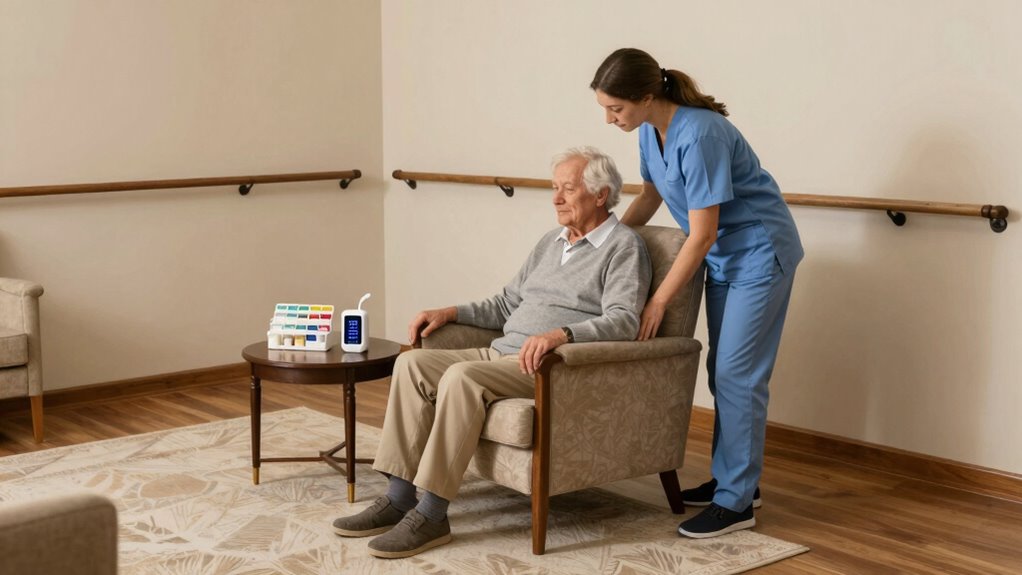
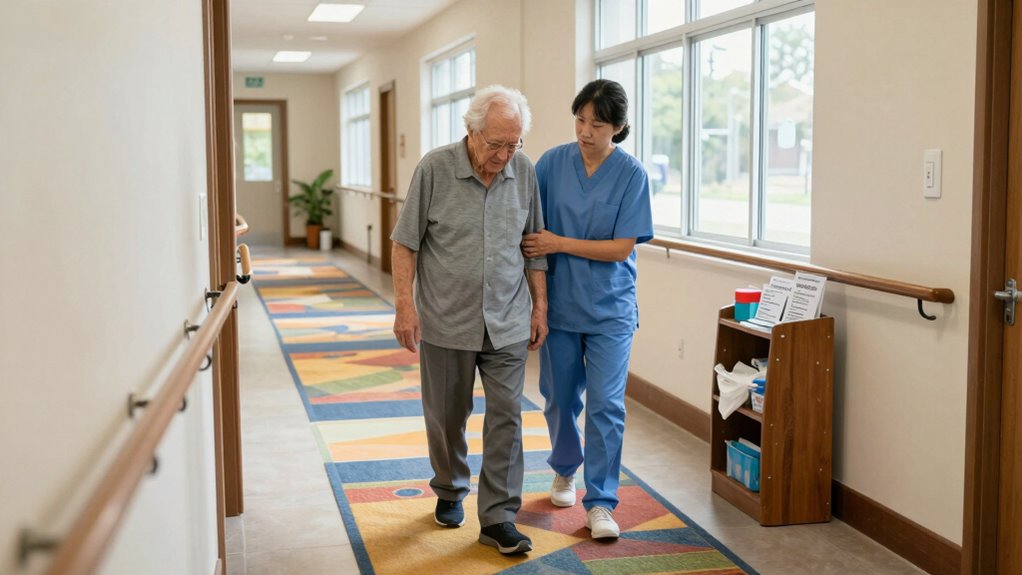
Keeping a senior home safe requires consistent effort and daily attention. One of the most critical aspects is focusing on fall prevention, which can significantly reduce injuries and hospital visits. Every day, you should check for hazards like loose rugs, clutter in hallways, or uneven flooring. Ensuring walkways are clear and well-lit helps your loved one navigate safely, especially at night. Installing grab bars in bathrooms and handrails along stairs offers extra support where it’s needed most. Regularly reviewing these safety features keeps them effective and in good condition. Encouraging your loved one to wear properly fitted shoes with non-slip soles also plays a role in preventing falls. Simple routines like reminding them to take their time when moving and encouraging balance exercises can make a difference. By integrating fall prevention into everyday habits, you create a safer environment that minimizes the risk of accidents. Additionally, understanding home safety assessments can help identify potential hazards before they cause harm. Implementing lighting improvements can also significantly reduce trip hazards and improve overall safety during nighttime movements.
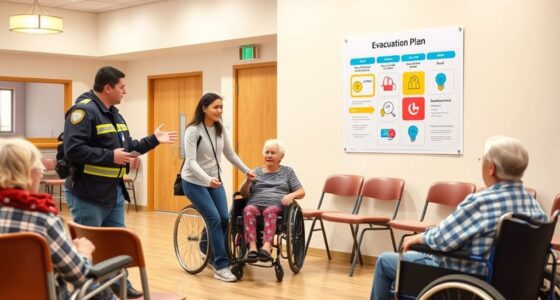
In addition to physical safety, emergency preparedness should be part of your daily routine. Keep emergency contact lists accessible and up to date, including numbers for family members, neighbors, and local emergency services. Make sure your loved one knows how to reach help quickly if needed. Regularly check smoke detectors, carbon monoxide alarms, and fire extinguishers to ensure they’re working properly. Practicing fire drills and emergency evacuation plans together helps everyone stay calm and prepared during a real crisis. Keep essential supplies like medications, flashlights, and a first aid kit in designated, easy-to-reach spots. This way, if an emergency occurs, you’re ready to respond swiftly. Review and update safety procedures regularly, especially if your loved one’s health or living situation changes. Incorporating household safety checks into your daily routine reinforces the importance of preparedness and keeps everyone vigilant.
Making safety a daily habit means paying attention to small details that can prevent big problems. It’s about establishing routines that prioritize fall prevention and emergency preparedness without becoming overwhelming. When you incorporate these practices into everyday life, it creates a safer environment and a sense of confidence for both you and your loved one. Consistent vigilance, coupled with proactive measures, ensures that the home remains a secure place where your loved one can thrive comfortably. Remember, safety isn’t a one-time task but an ongoing commitment that protects health, independence, and peace of mind throughout the year.
As an affiliate, we earn on qualifying purchases.
Frequently Asked Questions
How Can Technology Improve Home Safety for Seniors?
Technology improves home safety for seniors by using smart sensors that detect falls, fires, or unusual activity, alerting you immediately. Emergency apps allow quick access to help, making it easier to call for assistance or notify caregivers. These tools work together to create a safer environment, providing peace of mind and quick responses. With smart sensors and emergency apps, you can guarantee your loved one’s safety around the clock.
What Are Cost-Effective Safety Upgrades for Senior Homes?
You can make your senior home safer by investing in cost-effective safety upgrades like grab bars in bathrooms and non-slip mats to prevent falls. Enhance emergency preparedness with easily accessible fire extinguishers and smoke alarms. Regularly check lighting to reduce fall risks and keep pathways clear. These simple upgrades greatly improve safety, helping your loved one stay independent and protected throughout the year.
How to Involve Seniors in Maintaining Safety Routines?
Involving seniors in maintaining safety routines is like tending a garden together—each person’s effort nurtures a secure, happy home. You can encourage senior socialization by making safety checks a shared activity, fostering emotional well-being. Ask for their input on safety adjustments, celebrate their successes, and keep routines simple and consistent. This approach empowers them, boosts confidence, and makes safety a collaborative, enjoyable part of everyday life.
Are There Specific Safety Tips for Seniors With Mobility Issues?
If your senior loved one has mobility issues, prioritize fall prevention by installing grab bars, non-slip mats, and handrails in key areas. Encourage the use of mobility aids like walkers or canes for added stability. Keep walkways clear of clutter and guarantee good lighting throughout the home. Regularly check and maintain mobility aids to ensure safety. These steps help reduce fall risks and promote confidence in daily activities.
How Often Should Safety Assessments Be Conducted at Home?
You should conduct safety assessments at home at least every six months, or more often if there are recent changes in health or mobility. During these checks, focus on emergency preparedness and fall prevention strategies, ensuring that hazards are minimized and safety devices work properly. Regular assessments help catch potential risks early, keeping your senior loved one safe and comfortable throughout the year.
Conclusion
By weaving these daily habits into your routine, you’re building a sturdy safety net that catches your loved ones before they fall. Like a gentle gardener tending delicate blooms, your consistent care nurtures a secure environment where seniors can thrive. When safety becomes a daily ritual, it transforms from a fleeting concern into an unbreakable foundation—turning your home into a fortress of love and protection that stands resilient through the seasons.
Fall Picks
fall essentials
As an affiliate, we earn on qualifying purchases.