
To set up a daily walking loop inside or around your home, start by evaluating available space and clearing obstacles. Map out safe routes indoors or outside, using markings or landmarks for guidance. Enhance safety with good lighting, flat surfaces, and barriers where needed. Keep the path engaging by adding turns, plants, or outdoor furniture. Regularly maintain the area for hazards, and use goals or trackers to stay motivated. Keep exploring for more tips to make your walk enjoyable and safe.

Get the little things that make your day delivered free — and shop member deals
- Fast, free delivery on millions of items
- Access to Prime Big Deal Days deals on October 6–7
- Prime Video, Amazon Music and more included
Key Takeaways
- Assess and clear indoor or outdoor spaces, removing obstacles to create a safe, unobstructed walking path.
- Plan and mark your route with tape, natural landmarks, or signs for easy navigation.
- Ensure pathways are well-lit, even, and free of hazards like loose rugs or debris.
- Incorporate variety with turns, slight slopes, or outdoor elements to keep walking engaging.
- Track progress using step counters or apps and establish a routine for consistency.
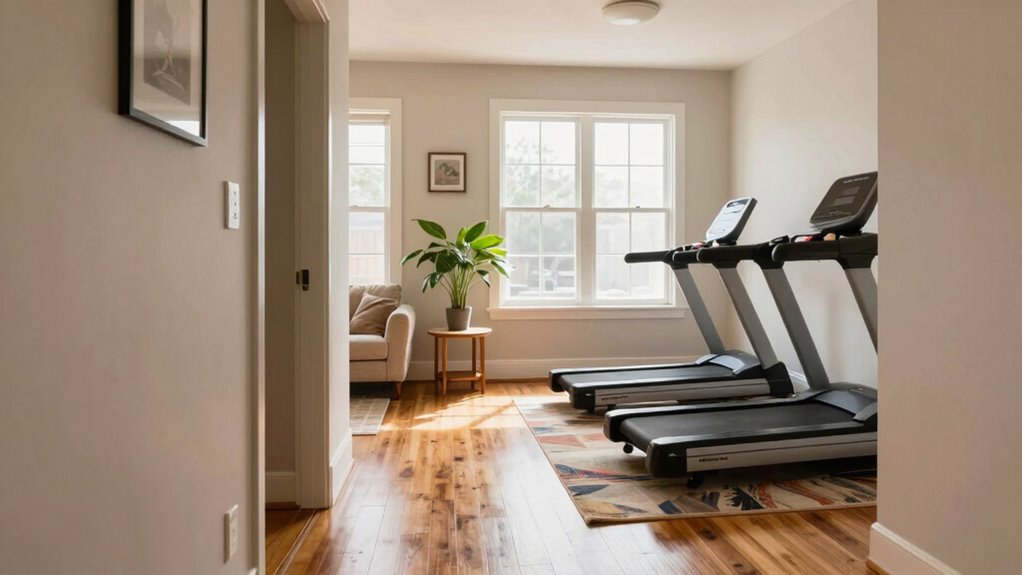
Creating a daily walking loop inside or around your home is a simple way to stay active, especially when outdoor conditions aren’t ideal or space is limited. The key to making this effective is indoor space optimization and outdoor pathway creation. You want to design a route that’s safe, manageable, and engaging enough to motivate you to walk regularly. Start by evaluating your available space, whether it’s a hallway, living room, basement, or backyard. Clear clutter and obstacles to create a smooth, unobstructed pathway that you can walk comfortably on. If indoors, consider rearranging furniture or removing unnecessary items to maximize your walking area. This helps prevent accidents and makes your loop feel more natural and less restrictive. Outdoors, look for a safe, flat, and shaded route around your yard or garden. If space is tight, think creatively about how to use small sections of your property or even paved areas like a driveway or patio. The goal is to create a dedicated outdoor pathway that encourages you to walk without feeling cramped or unsafe.
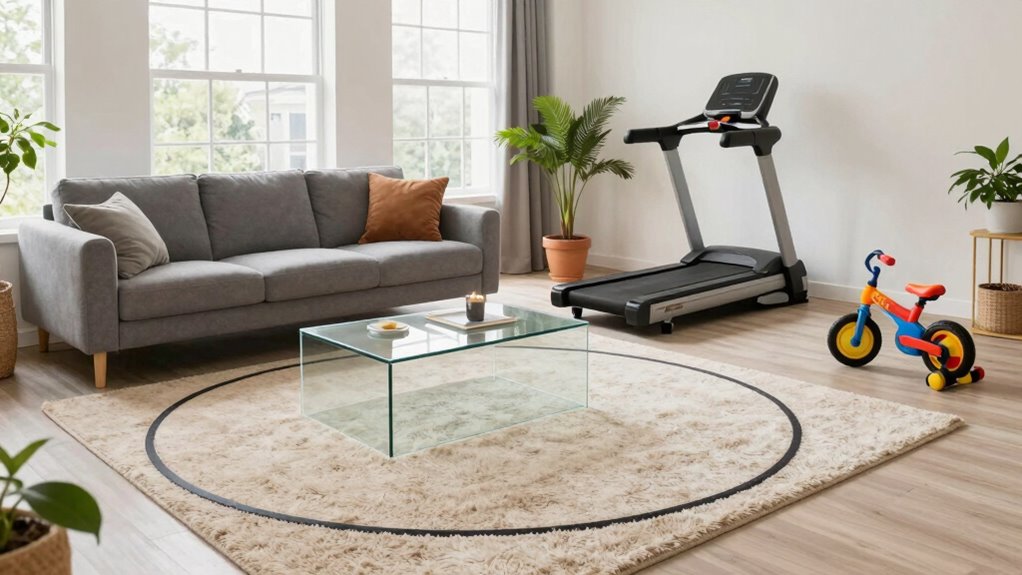
Once your space is optimized, map out your walking route. For indoor loops, you might circle multiple rooms or create a figure-eight pattern that keeps you moving in a continuous loop. Use markings or tape on the floor if necessary to define your path clearly. For outdoor pathways, mark your route with natural landmarks or install simple signs or stones at intervals to keep you oriented. Consider incorporating turns, gentle slopes, or slight changes in direction to make your walk more engaging and prevent boredom. If you have outdoor space, adding elements like a small garden, plants, or outdoor furniture can enhance your walking experience and motivate you to stick with your routine. Additionally, indoor space optimization can significantly improve safety and comfort during your walks. Incorporating proper lighting is also crucial to ensure visibility and reduce the risk of accidents. Ensuring your pathway is well-maintained and free of debris is another vital aspect of home safety, especially for those with mobility concerns. Regularly assessing and maintaining your walking area helps create a more safe environment for daily activity.
Safety is vital when setting up your walking loop. Make sure the surface is even, well-lit, and free of hazards like loose wires, uneven pavement, or slippery spots. Inside, check for rugs or cords that could cause tripping. Outside, ensure your pathway is stable and protected from the elements. Adding handrails or side barriers can boost safety, especially if you’re walking in a narrow corridor or uneven terrain. Finally, think about how you’ll track your progress or add variety. Using a step counter, fitness app, or setting goals like distance or time can keep you motivated. By optimizing your indoor space and thoughtfully creating outdoor pathways, you’ll establish a sustainable routine that keeps you moving every day, no matter the weather or space constraints.
indoor walking track with markings
As an affiliate, we earn on qualifying purchases.
As an affiliate, we earn on qualifying purchases.
Frequently Asked Questions
How Much Space Do I Need for a Walking Loop?
You’ll need at least 10-15 feet of space in length and 3-4 feet in width for a comfortable walking loop. Space requirements depend on your available area and walking pace. Consider layout ideas like a circular or figure-eight pattern to maximize space. Use hallways, corridors, or a cleared section of a room, ensuring there’s enough room to walk freely without bumping into furniture or walls.
What Safety Precautions Should I Consider?
Back in the day, safety was just as crucial as now. To keep safe during your indoor walk, prioritize home safety by removing obstacles and clutter to guarantee obstacle clearance. Check for loose rugs, cords, or furniture that could cause falls. Make certain of good lighting, and wear comfortable, non-slip shoes. Keep a phone nearby in case of emergencies. Staying attentive and cautious helps prevent accidents and makes your walking routine safer and more enjoyable.
Can I Incorporate Other Exercises Into the Loop?
Yes, you can incorporate other exercises into your loop. Try adding interval training by alternating fast walking with brisk sprints or jogging. Incorporate stretching routines during breaks to improve flexibility and prevent injuries. You might also include bodyweight exercises like squats or lunges at designated spots around your loop. Mixing these activities keeps workouts engaging, boosts your fitness, and makes your daily routine more effective and enjoyable.
How Can I Track My Walking Distance Indoors?
To track your indoor walking distance, use a fitness tracker or smartphone app compatible with indoor activity. These tools provide accurate measurements for indoor fitness and help you stay ahead of walking challenges. You can also measure your loop with a measuring tape or map your route on a treadmill. Remember, if you’re serious about progress, it’s all about keeping tabs—don’t let your efforts go unnoticed.
What Are Some Motivational Tips to Stay Consistent?
To stay consistent, use motivation techniques like setting small, achievable goals and rewarding yourself for progress. Incorporate variety in your walking routine to keep it engaging and prevent boredom. Visual cues or a walking buddy can boost motivation, and tracking your progress helps reinforce your commitment. Employing consistency strategies like scheduling walks at the same time daily builds habits, making your routine feel natural and easier to stick with long-term.
Conclusion
Now that you’ve set up your walking loop, you’re basically a fitness superhero in your own home! Imagine transforming your daily stroll into a mini adventure that could outrun a cheetah or at least outlast the afternoon slump. With just a little space, you’ve created a powerhouse of health, energy, and maybe a few curious looks from your pets. So lace up, walk on, and turn your home into the most epic fitness arena ever—your very own daily victory lap!
NFL season / tailgating Picks
team gear
As an affiliate, we earn on qualifying purchases.