
TL;DR

Get the little things that make your day delivered free with Prime
- Fast, free delivery on millions of items
- Prime Video, Amazon Music and more included
- Member-only deals all year
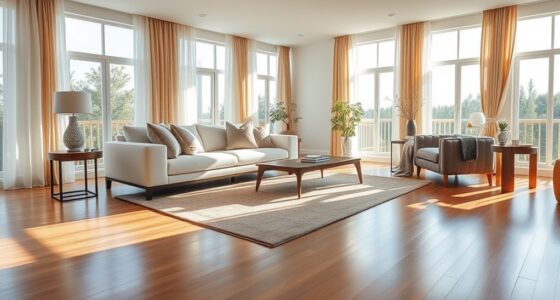
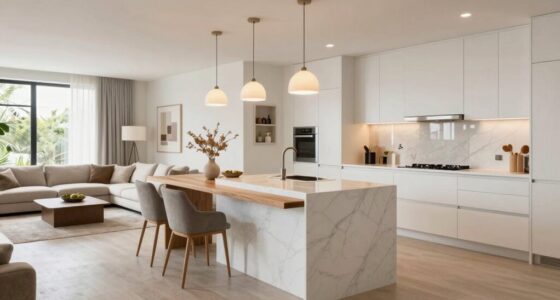
New lifestyle-driven design trends are rapidly influencing modern home interiors, reflecting changing consumer preferences. This shift is driven by evolving lifestyles and social influences, with experts noting increasing interest but no definitive data yet.
Recent reports indicate that lifestyle-driven design trends are significantly reshaping modern homes, as consumer preferences shift toward personalization, wellness, and multifunctionality. This development reflects a broader movement in interior design, driven by social and cultural changes, and is gaining notable attention in industry discussions. For more insights, see Real Estate Expert Marilyn Myers Of Rancho Santa Fe Explores Design And Lifestyle Trends.
Design experts and industry analysts observe a marked increase in interest in lifestyle-centric home design, with coverage and search interest spiking over recent months. These trends emphasize personalized spaces that reflect individual identities, promote wellness, and adapt to flexible living arrangements. Although specific data remains unconfirmed, the trend is seen across various sectors, including furniture, decor, and architectural planning.
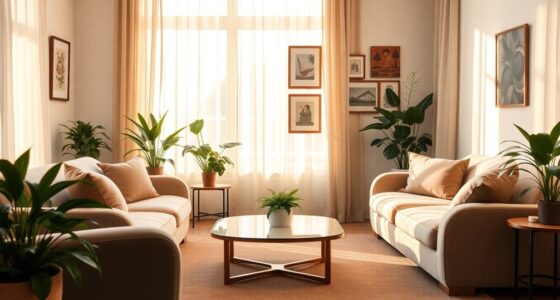
Sources suggest that this shift is influenced by broader societal changes, such as remote work, health consciousness, and a desire for more meaningful living environments. Industry insiders note that consumers increasingly seek homes that support mental health, sustainability, and social connectivity, leading to a focus on multifunctional spaces, natural materials, and wellness-oriented features.
Implications for Homeowners and Designers
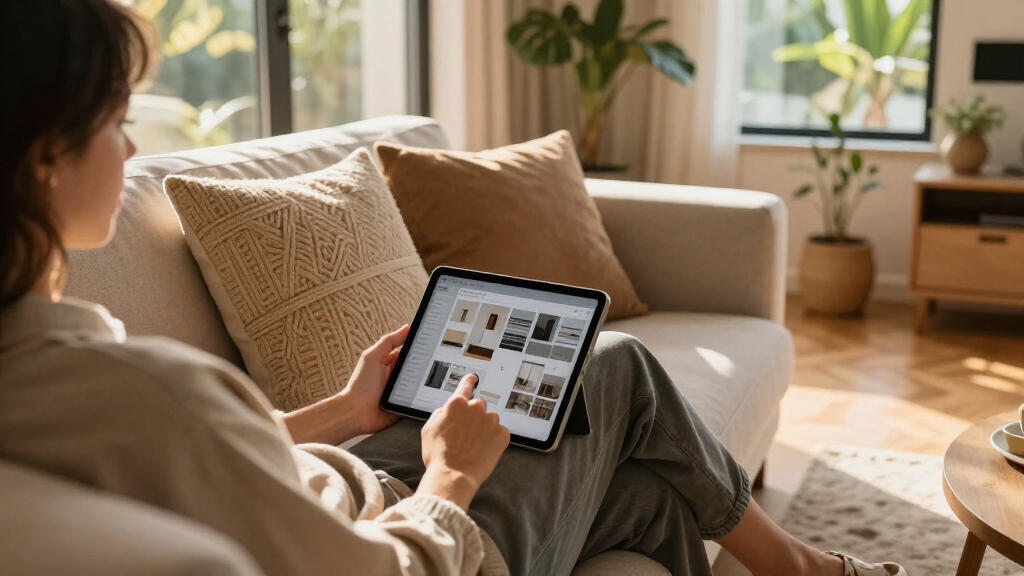
This trend matters because it signals a fundamental shift in how homes are conceptualized and used, prioritizing individual well-being and lifestyle needs. For homeowners, it offers opportunities to customize spaces for comfort and health, while designers and manufacturers are adapting to new demands for versatile, personalized, and health-conscious products. The trend could influence market offerings and construction standards in the coming years.
personalized multifunctional furniture
As an affiliate, we earn on qualifying purchases.
As an affiliate, we earn on qualifying purchases.
Emerging Lifestyle Influences on Home Design
Over the past decade, interior design has increasingly incorporated lifestyle considerations, but recent coverage highlights a surge in interest driven by societal shifts such as remote working, health awareness, and a desire for meaningful living. While specific studies are not yet available, industry reports and search data suggest that consumers are prioritizing spaces that support flexibility, wellness, and personal expression.
This movement aligns with broader trends toward sustainability and health, with many homeowners seeking eco-friendly materials, natural light, and spaces that foster mental well-being. The influence of social media and celebrity endorsements has also amplified awareness and adoption of these lifestyle-centric designs.
Unconfirmed Nature and Scope of the Trend
While coverage and search interest are rising, specific data confirming the scale and permanence of this trend are not yet available. It remains unclear how broadly these lifestyle-driven designs will be adopted across different regions and market segments, or whether this is a temporary surge or a lasting shift.
Industry experts acknowledge that more research and data collection are needed to understand the full impact and longevity of these design preferences.
Monitoring Future Design and Market Developments
Experts anticipate further exploration into lifestyle-centric design as manufacturers and architects respond to consumer preferences. Market trends may become clearer with upcoming product launches, housing developments, and consumer surveys. Industry conferences and publications are likely to feature more on this topic in the coming months, providing insights into how widespread and enduring these changes will be.
Key Questions
What exactly are lifestyle-driven design trends?
They are interior and architectural design approaches that prioritize personal needs, wellness, flexibility, and social connection, reflecting individual lifestyles and values.
Why are these trends gaining popularity now?
Factors include societal shifts such as remote work, increased health consciousness, and a desire for more personalized, meaningful living environments.
Are these trends expected to last?
It is not yet clear whether this is a temporary surge or a long-term shift, as comprehensive data and studies are still emerging.
How are designers and manufacturers responding?
They are increasingly offering customizable, multifunctional, and wellness-oriented products and solutions to meet evolving consumer preferences.
What can homeowners do to adapt to these trends?
Homeowners can focus on creating flexible spaces, incorporating natural materials, and prioritizing wellness features to align with these emerging preferences.
Source: rss
Halloween Picks
halloween
As an affiliate, we earn on qualifying purchases.