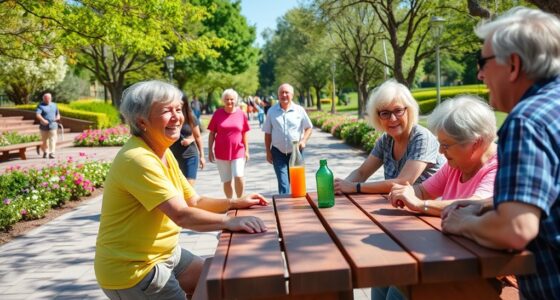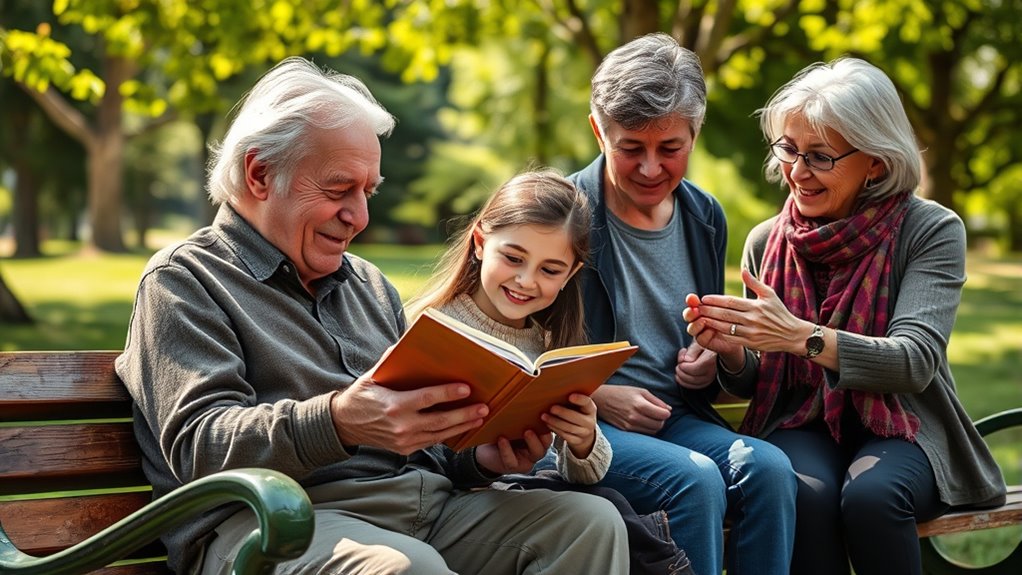

Mentorship between older adults and youth creates meaningful connections that strengthen community bonds and foster mutual growth. As you engage in this dynamic, you’ll experience shared learning, skill transfer, and deeper understanding across generations. These relationships boost emotional well-being, reduce loneliness, and build societal cohesion. If you’re curious about how these inspiring exchanges can transform lives, explore further to discover the many ways mentorship bridges gaps and nurtures a thriving community.

Get the little things that make your day delivered free with Prime
- Fast, free delivery on millions of items
- Prime Video, Amazon Music and more included
- Member-only deals all year
Key Takeaways
- Mentorship fosters meaningful intergenerational relationships that promote understanding, respect, and shared growth across age groups.
- Both older adults and youth gain practical skills, life lessons, and new perspectives through reciprocal learning.
- Engaging in mentorship enhances community cohesion, empathy, and societal support networks.
- It boosts psychological well-being by providing purpose, reducing loneliness, and fostering feelings of belonging.
- Mentorship creates broader opportunities, networks, and community engagement, enriching social connections for all generations.

Mentorship between older adults and youth creates a powerful ripple effect that benefits both generations. When you engage in intergenerational bonding, you open the door to meaningful relationships that foster understanding, respect, and shared growth. As an older adult, your experience and wisdom become invaluable assets for young people steering their paths. Conversely, your openness to learning from youth can rejuvenate your outlook and introduce fresh perspectives. This mutual exchange isn’t just about guidance; it’s about building a bridge that connects different life stages through genuine connection.
One of the most significant benefits of these relationships is skill transfer. You can pass down practical skills, life lessons, or even cultural traditions, which might otherwise fade with time. For example, you might teach a young person how to cook family recipes, share insights about career development, or demonstrate problem-solving strategies. In return, you gain insights into new technologies, social trends, or youthful approaches to challenges. This exchange keeps both of you adaptable and engaged, reinforcing that learning is a lifelong journey.
Skill transfer enriches lives through shared wisdom and new perspectives, fostering lifelong learning and connection across generations.
Intergenerational bonding also creates a sense of community and belonging. When you spend time mentoring, you’re not just helping a young person succeed; you’re actively shaping a more connected society. These interactions often lead to increased empathy and understanding, breaking down stereotypes or misconceptions about age groups. As you listen to a youth’s dreams and struggles, you develop a deeper appreciation for their experiences, which can challenge your assumptions and expand your worldview.
Furthermore, engaging in mentorship can boost your mental and emotional well-being. Feeling valued and needed gives you a sense of purpose that can combat loneliness or feelings of irrelevance. For youth, having an older adult as a mentor provides stability and reassurance, especially during uncertain times. This reciprocal support creates a dynamic where both of you feel more confident, motivated, and connected.
Another important aspect is the influence of WWE Raw’s Financial Impact on broader entertainment or community engagement initiatives. Engaging in mentorship can also open doors to new networks and opportunities, similar to how the wrestling industry’s investments influence global markets. Ultimately, the beauty of intergenerational bonding lies in its ability to forge relationships rooted in genuine care and shared knowledge. As you invest time and energy into these mentorships, you’re not only enriching a young person’s life but also enhancing your own. The transfer of skills, combined with heartfelt connection, fosters a community where both generations thrive together, proving that mentorship truly is a powerful form of social engagement.
intergenerational mentorship books
As an affiliate, we earn on qualifying purchases.
As an affiliate, we earn on qualifying purchases.
Frequently Asked Questions
How Do Mentorship Programs Adapt for Diverse Cultural Backgrounds?
You adapt mentorship programs for diverse cultural backgrounds by incorporating cultural sensitivity and inclusive practices. This means understanding and respecting different traditions, values, and communication styles, and tailoring your approach accordingly. You foster an environment where everyone feels valued and heard, encouraging open dialogue. By actively learning about participants’ backgrounds and adjusting your methods, you guarantee that mentorship remains relevant, supportive, and accessible for all, regardless of cultural differences.
What Are the Long-Term Psychological Benefits for Older Mentors?
Ever wondered how mentoring impacts you long-term? You gain significant psychological benefits, like enhanced emotional resilience and potential longevity benefits. As you guide others, you build a sense of purpose and fulfillment that sustains you through life’s challenges. This ongoing emotional engagement strengthens your mental health, possibly extending your lifespan. Isn’t it remarkable how sharing your wisdom can also nurture your own well-being and resilience over time?
How Can Technology Enhance Intergenerational Mentorship?
You can enhance intergenerational mentorship through technology by leveraging virtual connectivity, which makes it easier for different age groups to stay connected regardless of location. Improving digital literacy helps both mentors and mentees navigate online platforms confidently, fostering meaningful interactions. This digital bridge promotes shared learning and understanding, strengthening bonds and making mentorship more accessible and impactful, especially when in-person meetings aren’t possible.
What Challenges Do Older Adults Face When Mentoring Youth Remotely?
You might think older adults face no challenges mentoring youth remotely, but digital barriers and emotional hurdles can be tough. They may struggle with unfamiliar technology or feel disconnected without face-to-face interaction. This can cause frustration or hesitation, making it harder to build trust and rapport. To overcome this, patience, user-friendly tools, and emotional support are essential, helping older mentors confidently guide and connect with younger generations.
How Is the Success of Mentorship Relationships Measured?
You evaluate mentorship success through mentor evaluation, considering how well goals are met and growth occurs for both parties. Relationship longevity is also key, as longer-lasting connections often indicate meaningful engagement. You might look at feedback, achievements, and the development of trust over time. When both mentors and mentees feel satisfied and supported, it shows the relationship’s positive impact and overall success.
Conclusion
You see, mentorship bridges generations, building trust and sharing wisdom. It empowers older adults to stay connected, active, and valued. It inspires youth to learn, grow, and succeed. When you foster these relationships, you create a cycle of giving and receiving, of learning and teaching. So, embrace mentorship, nurture connections, and watch how your community flourishes through shared guidance. Because when older adults and youth unite, everyone benefits, and everyone thrives.
Fall Picks
fall essentials
As an affiliate, we earn on qualifying purchases.