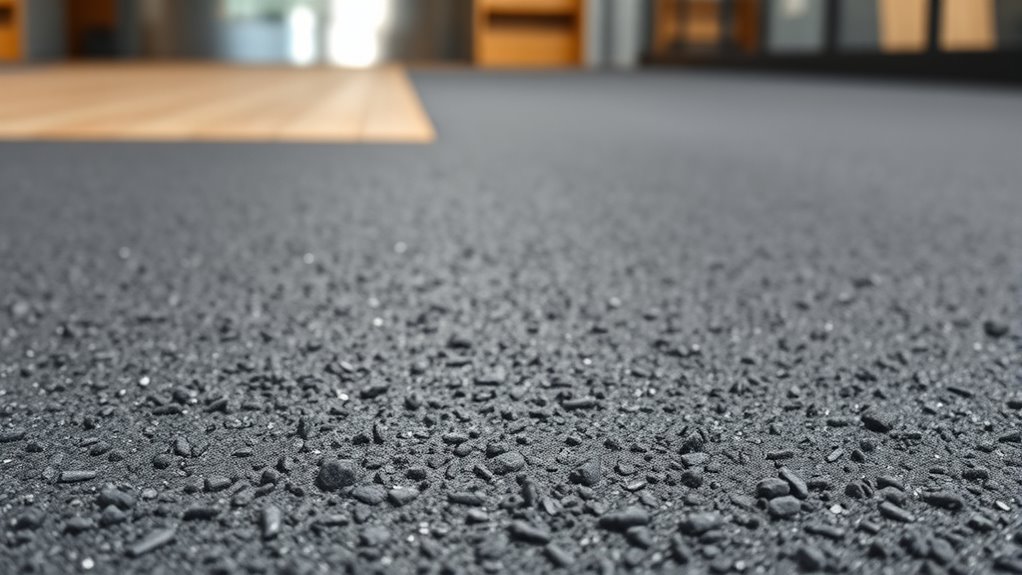

To reduce fall risk, choose non-slip flooring options like rubber, textured vinyl, or composite materials with embedded anti-slip aggregates. Rubber flooring is durable and offers excellent traction, especially in moisture-prone areas. Textured finishes on vinyl and concrete also improve grip while being easy to maintain. Weather-resistant options like rubber pavers suit outdoor spaces. Carefully selecting and maintaining the right surface can notably enhance safety—continue exploring to find the best solution for your environment.

Get the little things that make your day delivered free — and shop member deals
- Fast, free delivery on millions of items
- Access to Prime Big Deal Days deals on October 6–7
- Prime Video, Amazon Music and more included
Key Takeaways
- Rubber flooring provides excellent traction, impact absorption, and durability for slip-resistant surfaces.
- Vinyl and rubber composite flooring are affordable, easy to maintain, and enhance slip resistance.
- Textured finishes or embedded anti-slip aggregates improve grip, especially in wet or oily environments.
- Outdoors, textured concrete or rubber pavers offer weather-resistant, slip-resistant options.
- Regular cleaning and periodic reapplication of anti-slip coatings sustain long-term safety.
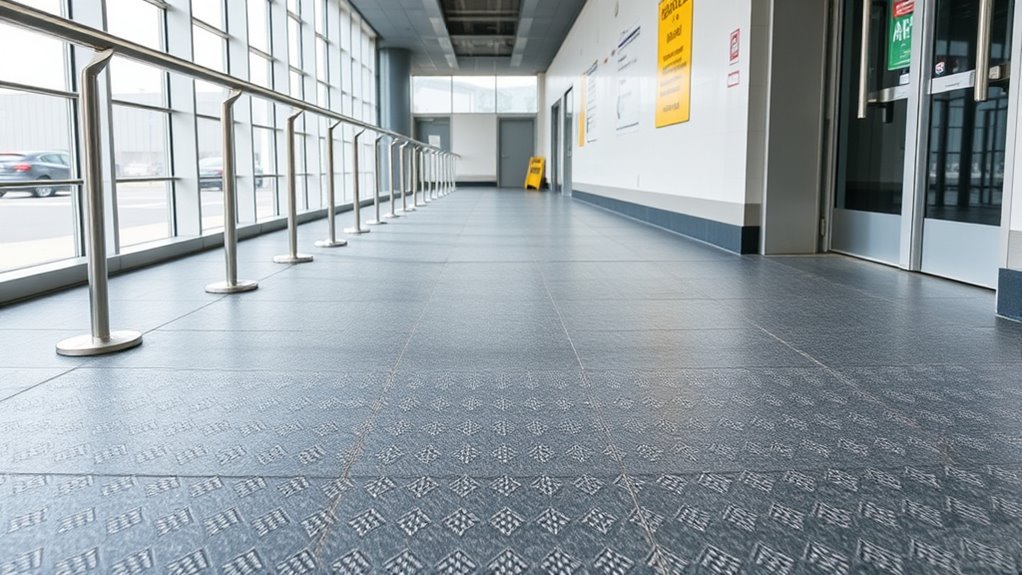
When choosing flooring for areas prone to moisture or high foot traffic, safety should be your top priority. Non-slip flooring options are essential in reducing the risk of slips and falls, which can lead to serious injuries and potential liability issues. In environments like commercial kitchens, factories, or outdoor walkways, you need materials that not only provide traction but also withstand the demands of daily use. Selecting the right non-slip surface can notably improve industrial safety, protecting both workers and visitors. It’s important to contemplate how flooring maintenance will impact long-term safety; some materials require regular cleaning and treatment to keep their slip-resistant properties effective. Neglecting maintenance can cause surfaces to become slick or worn, diminishing their anti-slip capabilities and increasing hazards.
Prioritize safety with durable, low-maintenance non-slip flooring for high-traffic, moisture-prone areas.
There’s a wide variety of materials suitable for non-slip flooring, each with its own set of advantages. Rubber flooring, for example, offers excellent traction and cushioning, making it a favorite in gyms, workshops, and wet environments. It’s durable, absorbs impacts, and remains slip-resistant with minimal upkeep. Vinyl and rubber composites are also popular choices—they’re affordable, easy to clean, and maintain their slip-resistant surface over time. These materials often come with textured finishes or embedded anti-slip aggregates, which enhance grip even when wet or oily. For outdoor settings, textured concrete or rubber pavers provide robust, slip-resistant surfaces that stand up to weather and heavy use.
Another option gaining popularity is safety flooring made from specialized materials such as vinyl with embedded slip-resistant coatings or coatings applied over existing surfaces. These coatings can be reapplied periodically to maintain grip and prevent deterioration. When selecting a non-slip flooring material, consider the environment—areas exposed to water, oil, or chemicals may require more resistant, easy-to-clean surfaces. Proper flooring maintenance is key to sustaining their safety features; regular cleaning to remove debris, oils, and spills helps keep the surface effective. Applying anti-slip treatments or coatings periodically can also restore or enhance traction, further reducing fall risks.
Ultimately, your choice of non-slip flooring should align with the specific safety needs of the space. It’s not just about selecting the right material but also about implementing a consistent maintenance routine to preserve its anti-slip properties. By prioritizing industrial safety and diligent flooring maintenance, you can create a safer environment that minimizes fall risks and promotes peace of mind for everyone on-site. This approach ensures that your investment in non-slip flooring continues to protect your team and visitors, maintaining a secure and efficient space.
As an affiliate, we earn on qualifying purchases.
Frequently Asked Questions
Are Non-Slip Floors Suitable for Outdoor Environments?
Yes, non-slip floors are suitable for outdoor environments. They offer excellent weather resistance, handling rain, snow, and sunlight without deteriorating. Plus, you can find options that enhance aesthetic appeal, blending safety with style. Whether for patios, walkways, or pool decks, non-slip surfaces provide reliable traction, reducing fall risks while maintaining an attractive look. Just choose materials designed specifically for outdoor use to guarantee durability and safety.
How Do Non-Slip Flooring Options Compare in Cost?
You’ll find non-slip flooring options vary in cost depending on installation costs and material affordability. For example, vinyl and rubber tend to be more budget-friendly, with lower installation costs, making them ideal if you’re on a tight budget. On the other hand, options like textured stone or specialized coatings might cost more upfront but can offer longer-lasting durability. Consider your budget and safety needs to choose the best fit.
Can Non-Slip Flooring Be Installed Over Existing Surfaces?
Yes, you can install non-slip flooring over existing surfaces, but it’s like adding a fresh coat of paint—you need proper surface preparation. Consider installation considerations carefully; verify the existing surface is clean, smooth, and stable. If the surface is uneven or damaged, it may require repairs or leveling first. Proper surface prep guarantees your new non-slip flooring adheres well and provides effective slip resistance, making the process smoother and safer.
What Maintenance Is Required for Non-Slip Flooring?
You need to keep your non-slip flooring clean by following regular cleaning routines, such as sweeping and mopping with gentle cleaners. This helps maintain slip resistance factors by removing dirt and debris that can compromise traction. Avoid harsh chemicals that could damage the surface. Periodically inspect the flooring for wear or damage, and reapply slip-resistant coatings if necessary to make sure safety and prolong the lifespan of your flooring.
Are Non-Slip Floors Environmentally Friendly and Sustainable?
Imagine installing bamboo non-slip flooring in a busy restaurant. These floors are eco-friendly because bamboo is a rapidly renewable resource. Many non-slip flooring options, like recycled rubber or cork, prioritize sustainability by reducing environmental impact. Overall, eco-friendliness depends on materials and manufacturing processes, but many options now focus on sustainability, helping you create safer, greener spaces. You can choose products that align with environmentally responsible practices.
Conclusion
Choosing the right non-slip flooring can substantially reduce fall risks in your space. For example, imagine a busy healthcare facility that installed rubber flooring in high-traffic areas; staff and visitors alike notice improved safety and confidence. By selecting appropriate materials like textured vinyl or rubber, you create a safer environment that supports everyone’s well-being. Don’t wait until an accident happens—invest in non-slip flooring today to protect yourself and those around you.
NFL season / tailgating Picks
team gear
As an affiliate, we earn on qualifying purchases.