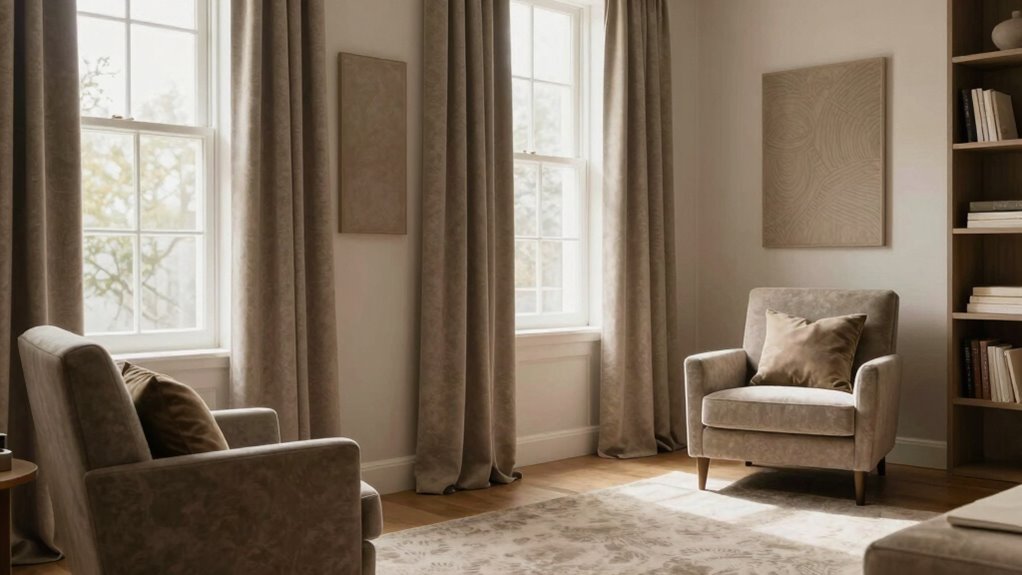

To design for better hearing comfort, focus on controlling sound with acoustic treatments like soft furnishings, rugs, and sound-absorbing panels. Use sound masking devices or natural elements like water features to create a consistent background noise that masks disturbances. Arrange furniture to block or absorb sound, and keep noisy appliances away from quiet areas. Balancing reflective and absorption surfaces prevents echo. Continue exploring strategies to create a peaceful, acoustically comfortable home environment that suits your needs.

Get the little things that make your day delivered free — and shop member deals
- Fast, free delivery on millions of items
- Access to Prime Big Deal Days deals on October 6–7
- Prime Video, Amazon Music and more included
Key Takeaways
- Incorporate acoustic panels, soft furnishings, and rugs to absorb sound and reduce echo.
- Use sound masking devices or natural sounds to create a consistent auditory environment.
- Arrange furniture strategically to block or diffuse sound and minimize noise transmission.
- Maintain proper indoor humidity and air quality for overall acoustic comfort.
- Balance reflective and absorptive surfaces to control sound reflections and prevent echo.
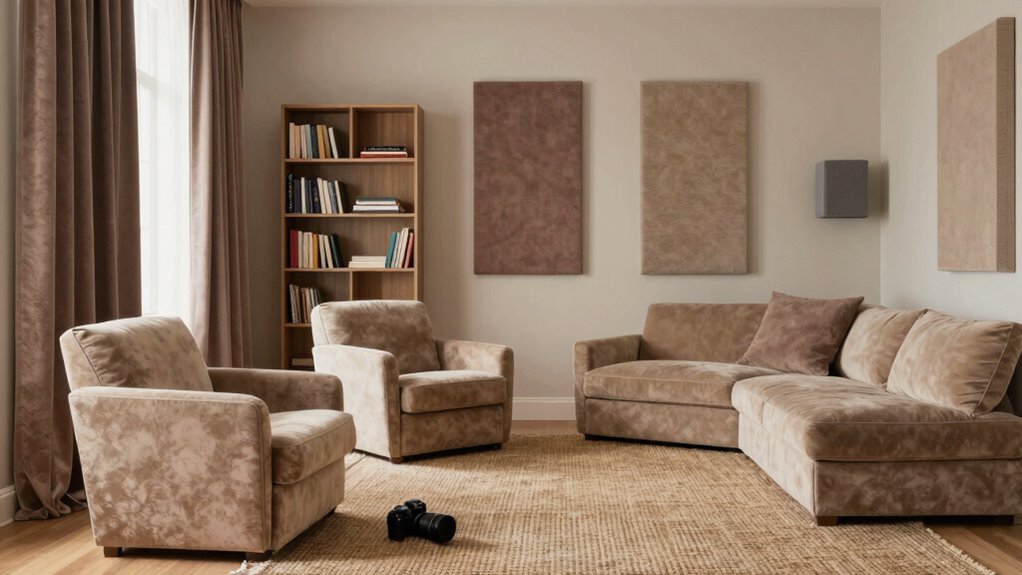
Creating a comfortable hearing environment isn’t just about sound levels; it’s about thoughtful design that considers how people experience and adapt to sound. When designing your home for better hearing comfort, you want to focus on controlling unwanted noise and creating an atmosphere that feels balanced and peaceful. Acoustic treatments are essential tools in this process. They involve adding materials like soft furnishings, rugs, curtains, and specialized panels to absorb or diffuse sound waves. These treatments reduce echo and minimize noise bouncing off hard surfaces, making conversations clearer and background noise less intrusive. By strategically placing acoustic panels in rooms where you spend a lot of time, you can greatly improve sound quality and create a more relaxed environment. Additionally, incorporating natural soundscape elements like water features or outdoor greenery can help mask intrusive noises and enhance overall auditory comfort indoors. Proper humidity levels can also influence how sound travels within a space, making it more comfortable and reducing noise transmission. Maintaining optimal humidity not only benefits sound quality but also supports overall indoor health.
Thoughtful acoustic design reduces echo, blocks unwanted noise, and creates a peaceful, comfortable home environment.
Sound masking is another powerful technique to enhance hearing comfort. It involves adding a subtle, continuous background sound—like white noise or nature sounds—that covers up distracting noises and creates a consistent auditory environment. Think of it as a gentle blanket that softens sudden or sharp sounds, preventing them from startling or overwhelming you. Implementing sound masking can be especially helpful in open-plan spaces or homes with noisy appliances and traffic outside. You can integrate sound masking devices directly into your home’s design or opt for built-in solutions that blend seamlessly with your decor. Moreover, understanding acoustic properties and how different materials influence sound absorption can help you make more informed choices when planning your space.
Beyond acoustic treatments and sound masking, consider the layout and furnishings of your space. Position furniture to block or absorb sound, and avoid placing loud appliances near quiet areas like bedrooms or reading nooks. Soft furnishings, such as plush rugs, upholstered furniture, and heavy curtains, not only add comfort but also help dampen sound reflections. Lighting and decor choices matter too; for example, glass or mirror surfaces can reflect sound, so balancing them with sound-absorbing elements prevents echo. Small adjustments like closing doors, sealing gaps around windows, and adding draft stoppers can also make a noticeable difference in noise reduction. Paying attention to indoor air quality and humidity can further enhance acoustic comfort by reducing potential irritants and maintaining a balanced environment. Additionally, proper ventilation and air circulation can prevent the buildup of indoor pollutants that might affect overall comfort and well-being. Creating a healthy indoor environment supports both auditory and physical comfort in your home.
Ultimately, designing for better hearing comfort is about creating a space where sound feels controlled and predictable. It’s about making sure conversations are clear, background noise doesn’t overwhelm you, and you feel more at ease in your daily environment. Using acoustic treatments and sound masking thoughtfully, along with strategic furniture placement and thoughtful decor, transforms your home into a sanctuary of auditory comfort. When you pay attention to these details, you’re not just reducing noise—you’re crafting a space that nurtures your well-being and enhances your everyday life.
As an affiliate, we earn on qualifying purchases.
Frequently Asked Questions
What Are the Best Materials to Reduce Indoor Noise?
You should choose materials that promote sound absorption, like acoustic panels, foam, or thick textiles, to reduce indoor noise. These materials absorb sound waves, preventing echo and minimizing noise transmission. Incorporate acoustic panels on walls and ceilings, use heavy curtains, plush rugs, and furniture made of soft fabrics. All these choices help create a quieter, more comfortable environment by effectively managing sound and improving overall hearing comfort.
How Can I Improve Acoustics in Open-Plan Spaces?
You can turn your open-plan space into a sanctuary of calm by implementing acoustic zoning, breaking the area into smaller sections with strategic furniture or partitions. Use sound masking devices to subtly cover noise distractions, creating a more peaceful environment. Adding soft furnishings like rugs, curtains, and upholstered furniture also absorbs sound. These steps transform chaos into serenity, making your home feel like a tranquil retreat despite the vast openness.
Are There Specific Furniture Choices That Enhance Hearing Comfort?
Choosing furniture with thoughtful placement and ergonomic seating can substantially boost hearing comfort. Position soft, sound-absorbing furniture like plush sofas and armchairs strategically to break up sound waves and reduce echo. Opt for furniture that supports good posture, making conversations more comfortable. Avoid cluttered arrangements, and leave space for sound to dissipate. These choices help create a more acoustically friendly environment, making it easier to hear clearly and comfortably throughout your home.
How Does Lighting Affect Sound Perception at Home?
Lighting is the stage where sound performs, shaping how you perceive it. Soft, warm lighting minimizes ambient noise and reduces distractions, making sounds clearer. Bright, harsh lights can amplify echoes and make background noise feel louder, disrupting your hearing comfort. Incorporate sound masking strategies with lighting by using dimmer switches or layered lighting, creating a calming environment where sound feels natural and less overwhelming, fostering better hearing comfort at home.
What Affordable Solutions Exist for Soundproofing Rooms?
You can improve soundproofing on a budget by using sound masking systems to reduce noise distractions and create a more peaceful environment. Noise-canceling devices, like headphones or portable speakers, help block out external sounds. Additionally, adding thick curtains, rugs, and furniture absorbs sound, enhancing your room’s acoustics. These affordable solutions work together to minimize noise transfer, making your space more comfortable without a hefty investment.
Conclusion
By prioritizing sound-absorbing materials and thoughtful layout, you can create a home that feels peaceful and comfortable for everyone. Remember, nearly 15% of the global population experiences some form of hearing difficulty, making your mindful design even more essential. Small changes, like adding plush rugs or strategic furniture placement, can considerably reduce noise and enhance your hearing comfort. Take these steps today to guarantee your home is a sanctuary of calm and clarity.
Fall Picks
fall essentials
As an affiliate, we earn on qualifying purchases.