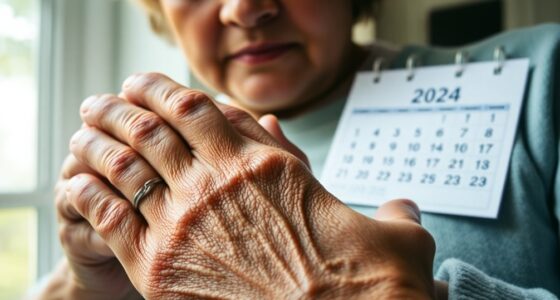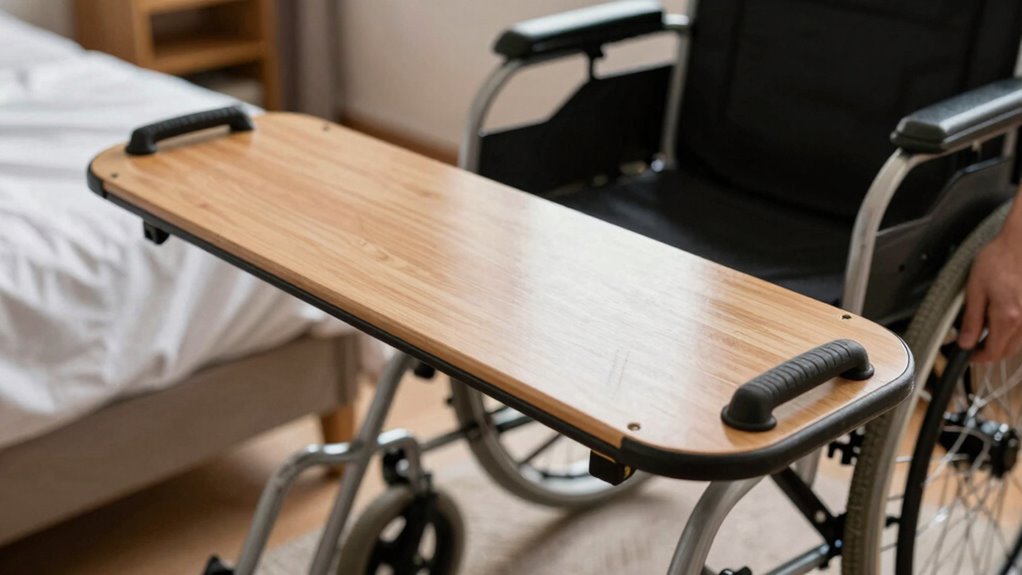

Transfer boards still matter in home mobility support because they offer a simple, cost-effective way to make transfers safer and more manageable. They help you assist loved ones with mobility without needing complex equipment, reducing physical strain and increasing independence. They’re easy to use regardless of strength or limitations, and suit many transfer situations. Plus, with proper training, you can maximize their safety and effectiveness. Discover more about how transfer boards can make everyday transfers easier.

Get the little things that make your day delivered free with Prime
- Fast, free delivery on millions of items
- Prime Video, Amazon Music and more included
- Member-only deals all year
Key Takeaways
- Transfer boards provide a simple, low-cost solution for safe, effective transfers without complex equipment or electricity.
- They enhance safety and reduce injury risk for both caregivers and users during mobility tasks.
- Transfer boards support independence and confidence, promoting emotional well-being in home settings.
- Their versatility allows use across various transfer scenarios, improving overall mobility support.
- Proper caregiver training on transfer board use ensures safety, efficiency, and confidence during transfers.
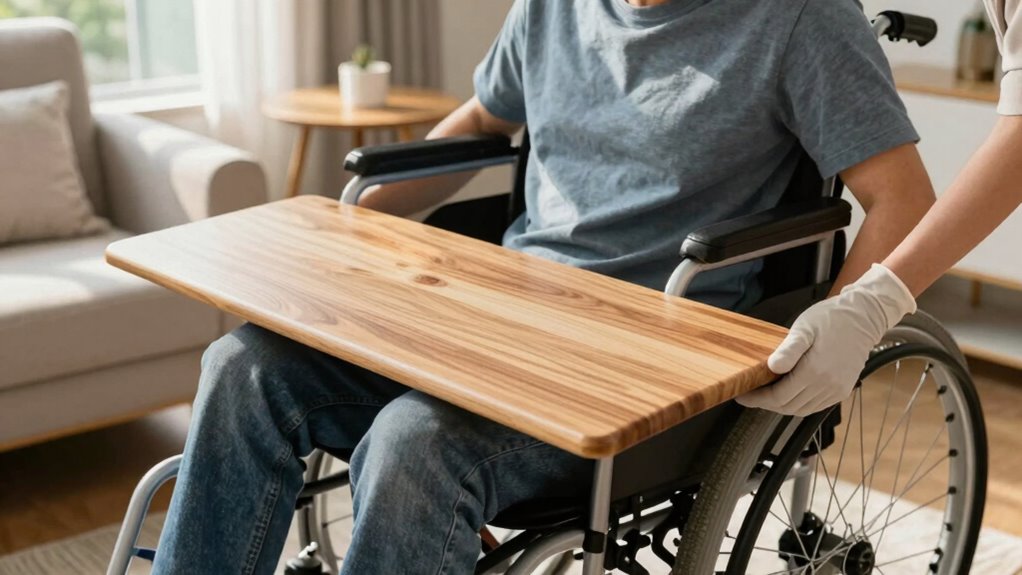
Transfer boards are especially significant in home settings where professional medical assistance isn’t always immediately available. They empower caregivers and family members to assist with mobility without needing complex equipment or extensive physical effort. Using a transfer board correctly can reduce physical strain on caregivers and increase your independence, allowing you to perform transfers with confidence. This can lead to a more comfortable and safer transfer process, which is crucial for maintaining mobility and independence. This not only improves your safety but also enhances your sense of autonomy, which is fundamental for emotional well-being. The simplicity of transfer boards makes them accessible to many, regardless of physical strength or mobility limitations. They are versatile tools that can be used in various situations, whether you’re moving from a wheelchair to a chair or transferring onto a shower seat. Additionally, incorporating proper landscaping techniques can create a more accessible and inviting environment that supports your mobility needs.
While technology continues to evolve, transfer boards still matter because they are a practical, low-cost option that can be integrated into your daily routine with proper caregiver training. They don’t require batteries, electricity, or complex machinery, which means they are dependable in any home environment. Furthermore, they’re portable and easy to store, making them convenient for different rooms or even when traveling. For many, a transfer board becomes an essential part of their mobility support plan, especially when combined with ongoing caregiver education. Proper caregiver training enhances the effectiveness of transfer boards by ensuring safe and correct usage, which is crucial for preventing injuries and building confidence. Regular training programs can significantly improve the safety and confidence of both caregivers and users, ensuring that everyone understands the proper techniques involved. Additionally, understanding the importance of user safety can motivate both caregivers and users to adhere to best practices and avoid preventable injuries. This combination ensures safe, effective transfers, reduces the risk of injury, and fosters a supportive atmosphere where mobility challenges don’t have to limit your independence. Ultimately, transfer boards remain an indispensable tool in home mobility support, proving their worth time and again through simplicity, safety, and effectiveness.
Frequently Asked Questions
Are Transfer Boards Suitable for All Types of Mobility Impairments?
Transfer boards are not suitable for all types of mobility impairments. They work best for individuals with upper body strength and some trunk control, aiding assistive technology and independence enhancement. If you have limited strength or coordination, a transfer board might not be safe or effective. Consult a healthcare professional to determine if this device fits your specific needs and mobility level, ensuring safe and effective support.
How Do Transfer Boards Compare to Other Mobility Aids?
Transfer boards are a valuable assistive technology that promote patient independence by enabling smoother transfers between surfaces. Compared to mobility aids like walkers or wheelchairs, transfer boards are more discreet and require less space, making them ideal for specific transfers. They offer a direct, controlled method that enhances safety and confidence, especially for those with limited strength or coordination. Overall, transfer boards complement other mobility tools, supporting greater independence in daily movements.
Can I Use a Transfer Board Independently Without Assistance?
Yes, you can use a transfer board independently if you’re confident in your abilities and have practiced proper techniques. To guarantee a safe independent transfer, follow safety precautions like securing the board properly, maintaining good body mechanics, and ensuring the surface is stable. Always assess your comfort and strength before attempting, and consider consulting a healthcare professional for guidance on safe practices. Your safety is the top priority.
What Materials Are Best for Durable Transfer Boards?
Imagine a sturdy, smooth surface that supports your weight seamlessly—this is what durable transfer boards provide. Opt for materials like high-quality plastic, reinforced acrylic, or lightweight, impact-resistant composites, which excel in material durability. These materials guarantee safety precautions are met, preventing cracks or splinters during use. Choosing the right material guarantees a reliable, long-lasting transfer board, giving you confidence and security with every mobility transfer.
How Do I Ensure Proper Safety When Using a Transfer Board?
To guarantee safety when using a transfer board, you should focus on proper seat positioning and follow safety precautions. Make sure both the person and your own seats are aligned correctly to prevent slips. Always check the transfer board’s stability before moving, keep your hands clear of pinch points, and communicate clearly throughout the transfer. Using proper body mechanics and securing the environment enhances safety for both of you.
Conclusion
Transfer boards remain essential in home mobility because they promote independence and safety. They’re simple tools that make a big difference, allowing you to move confidently and reduce injury risks. Remember, “A little help goes a long way.” Embracing transfer boards isn’t just about mobility; it’s about maintaining dignity and control in your daily life. Keep this trusted aid close—sometimes, the smallest tools have the biggest impact.
Fall Picks
fall essentials
As an affiliate, we earn on qualifying purchases.