Creating immersive spaces in senior living involves thoughtful design that stimulates senses, promotes well-being, and encourages social interaction. Incorporate sensory gardens to engage sight, smell, touch, sound, and taste, offering calming and therapeutic benefits. Use virtual reality to take residents on adventures beyond physical limits, sparking memories and joy. Combining these elements fosters vibrant environments that support mental health and independence. Keep exploring to discover how these innovative spaces can transform senior living experiences.
Key Takeaways
- Incorporate multisensory elements like scent, sound, and touch to enhance engagement and stimulate residents’ senses.
- Utilize virtual reality to offer immersive experiences that transport residents beyond physical limitations.
- Design sensory gardens that promote relaxation, social interaction, and mental well-being through natural elements.
- Create outdoor and indoor spaces that foster curiosity, joy, and independence through experiential features.
- Integrate innovative tools and thoughtful layouts to develop environments supporting mental health and social connection.

Have you ever wondered how thoughtful design can transform senior living experiences? It’s more than just aesthetics; it’s about creating immersive environments that stimulate the senses, promote well-being, and foster meaningful connections. One way to achieve this is through innovative tools like virtual reality and sensory gardens. These elements allow seniors to engage with their surroundings in new and enriching ways, making everyday moments more vibrant and fulfilling.
Virtual reality offers an extraordinary opportunity to transport residents beyond the confines of their physical space. With VR headsets, seniors can explore familiar places from their past, visit new destinations, or even experience nature scenes without leaving the comfort of their community. This technology ignites memories, encourages mental activity, and provides a thrilling sense of adventure. It’s especially beneficial for those with limited mobility, giving them access to experiences that might otherwise be out of reach. As you incorporate virtual reality into the environment, you create an experiential layer that sparks curiosity, joy, and a sense of independence.
Sensory gardens are another powerful element of experiential design. These outdoor spaces are thoughtfully crafted to stimulate the senses—sight, smell, touch, sound, and taste. Imagine walking through a garden filled with fragrant flowers, textured plants, and gentle water features. Such gardens provide calming environments that reduce stress and encourage relaxation. They also serve as social hubs, where residents can gather, engage in gardening activities, or simply enjoy nature’s beauty. Sensory gardens are adaptable to various needs, offering a multisensory experience that can be tailored to individual preferences and abilities. They transform a basic outdoor area into a dynamic space that nurtures mental and physical health.
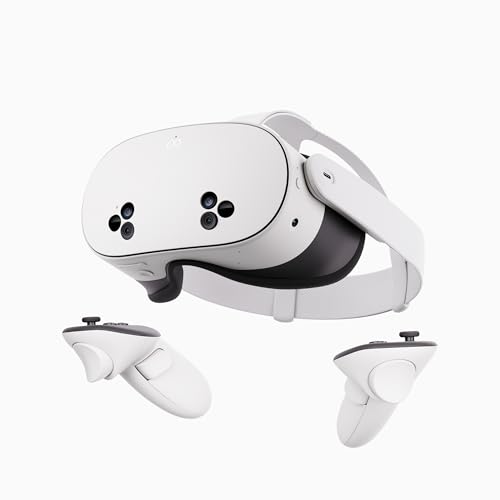
Meta Quest 3S 128GB | VR Headset — Thirty-Three Percent More Memory — 2X Graphical Processing Power — Virtual Reality Without Wires — Access to 40+ Games with a 3-Month Trial of Meta Horizon+ Included
NO WIRES, MORE FUN — Break free from cords. Game, play, exercise and explore immersive worlds — untethered…
As an affiliate, we earn on qualifying purchases.
As an affiliate, we earn on qualifying purchases.
Frequently Asked Questions
How Does Experiential Design Impact Residents’ Mental Health?
You’ll notice that experiential design boosts residents’ mental health by providing rich sensory stimulation and engaging environments. These immersive spaces help reduce feelings of isolation and anxiety, promoting emotional well-being. When you create environments that stimulate the senses and evoke positive emotions, residents feel more connected and alive. This active engagement supports mental agility, enhances mood, and fosters a sense of community, ultimately improving their quality of life.
What Are Cost Considerations for Implementing Immersive Spaces?
You should know that immersive spaces can cost between $50,000 and $200,000, depending on design complexity. To manage expenses, focus on detailed budget planning and compare vendor options thoroughly. Selecting the right vendor guarantees quality without overspending. Keep in mind, investing wisely in immersive spaces can boost resident satisfaction and well-being, making it a valuable addition that aligns with your budget and enhances the living experience.
How Can Technology Enhance Experiential Design in Senior Living?
Technology enhances experiential design in senior living by leveraging virtual reality to create realistic, engaging environments that stimulate residents’ senses. You can incorporate sensory integration tools like haptic feedback, soundscapes, and visual cues to boost immersion and comfort. This approach helps residents reconnect with familiar places, explore new experiences safely, and improve mental well-being. By integrating these technologies thoughtfully, you make spaces more enriching and accessible for seniors.
What Training Is Needed for Staff to Manage Immersive Environments?
You need specialized staff training to effectively manage immersive environments, ensuring residents feel safe and engaged. This training should cover immersive environment management, technology operation, and emergency procedures. When your team masters these skills, they can create enriching experiences that foster connection and joy. Imagine residents exploring new worlds confidently—your well-trained staff makes that possible, transforming senior living into a vibrant, immersive journey tailored to each individual’s needs.
How Do Residents With Mobility Challenges Engage With Experiential Spaces?
You can help residents with mobility challenges engage with experiential spaces by ensuring accessible pathways are clear and wide enough for wheelchairs or walkers. Incorporate adaptive equipment like grab bars, ramps, and seating areas designed for comfort and safety. Encourage residents to participate at their own pace, and provide staff assistance when needed. These thoughtful accommodations enable everyone to enjoy immersive environments, fostering engagement, independence, and a sense of community.

Cinrobiye 122 Pcs Spring Sensory Bin Fillers Insect Fine Motor Activity Set Mini Garden Sensory Bin Kit with Flowers Ladybugs Tools Storage Box for Sorting Counting Classroom Learning Activities
Complete Spring Sensory Bin Activity Set:This 122 piece sensory bin kit includes storage box observation cup flower pots…
As an affiliate, we earn on qualifying purchases.
As an affiliate, we earn on qualifying purchases.
Conclusion
By embracing experiential design, you craft spaces that serve as bridges to cherished memories and new adventures. Think of these environments as open books, where each room offers a new chapter filled with color, texture, and meaning. When you create immersive spaces, you’re planting seeds of joy and connection, nurturing a vibrant garden of community and comfort. Ultimately, your design becomes a guiding star, illuminating a path toward enriched living for seniors.

HONEY JOY Kids Potting Bench Table, Fir Wood Outdoor Play Kitchen for Toddler, Transparent Root Viewer Window & Garden Trellis for Climbing Plant, Water Sink Garden Tools, Mud Kitchen for Kids Outdoor
【Enjoy Garden Time in Summer】: The toy garden center comes with a potting table with a planter box,…
As an affiliate, we earn on qualifying purchases.
As an affiliate, we earn on qualifying purchases.
![Jispring [100% Soft Silicone] Dementia Activities for Seniors, Tetris Puzzles with 20 Templates, Tile Matching Alzheimers Products for Elderly, Cognitive Memory Games for Adults, Anxiety Relief Gift](https://m.media-amazon.com/images/I/41u5+inz18L._SL500_.jpg)
Jispring [100% Soft Silicone] Dementia Activities for Seniors, Tetris Puzzles with 20 Templates, Tile Matching Alzheimers Products for Elderly, Cognitive Memory Games for Adults, Anxiety Relief Gift
[100% Silicone] Made of non-toxic, food-grade, BPA-free silicone for safe use by seniors, adults, and individuals with dementia
As an affiliate, we earn on qualifying purchases.
As an affiliate, we earn on qualifying purchases.