Designing multi-use rooms means creating flexible spaces that easily adapt to different activities like movement, work, or relaxation. You can achieve this by using movable dividers, fold-away furniture, and adaptable lighting, making it quick to reconfigure the environment. Bright, open layouts promote creativity and fluid movement. When you incorporate versatile furnishings and layouts, your space becomes a dynamic environment. Keep exploring to discover how to optimize your space for endless possibilities.
Key Takeaways
- Incorporate flexible layouts with movable dividers and sliding doors for seamless activity transitions.
- Use multi-purpose, adaptable furniture like fold-out beds and extendable tables to optimize space.
- Design bright, open environments that encourage movement and support various activities.
- Utilize modular shelving and stackable chairs for versatile storage and quick reconfiguration.
- Focus on principles of flexible, space-maximizing design that adapt to changing needs and promote enrichment.
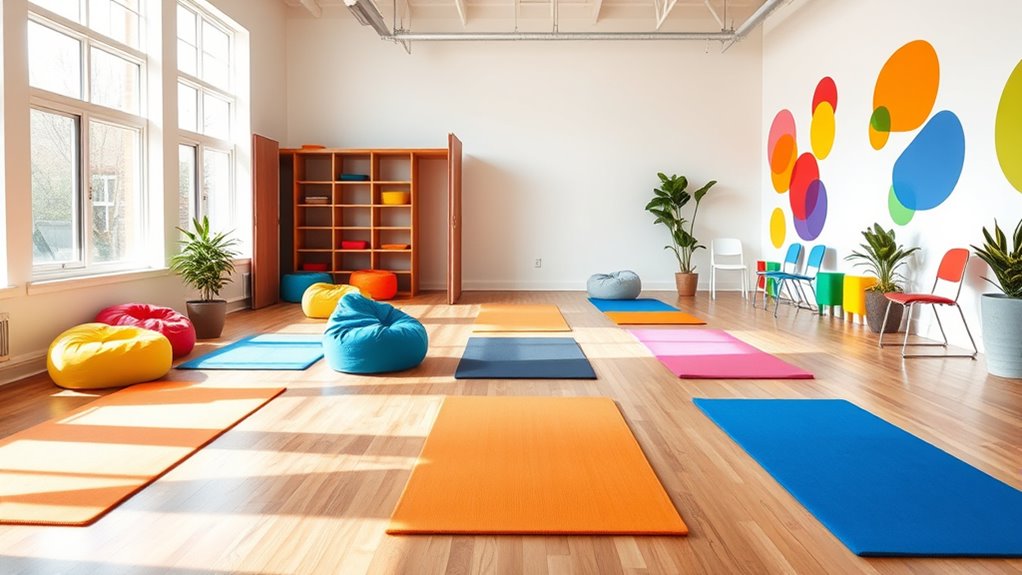
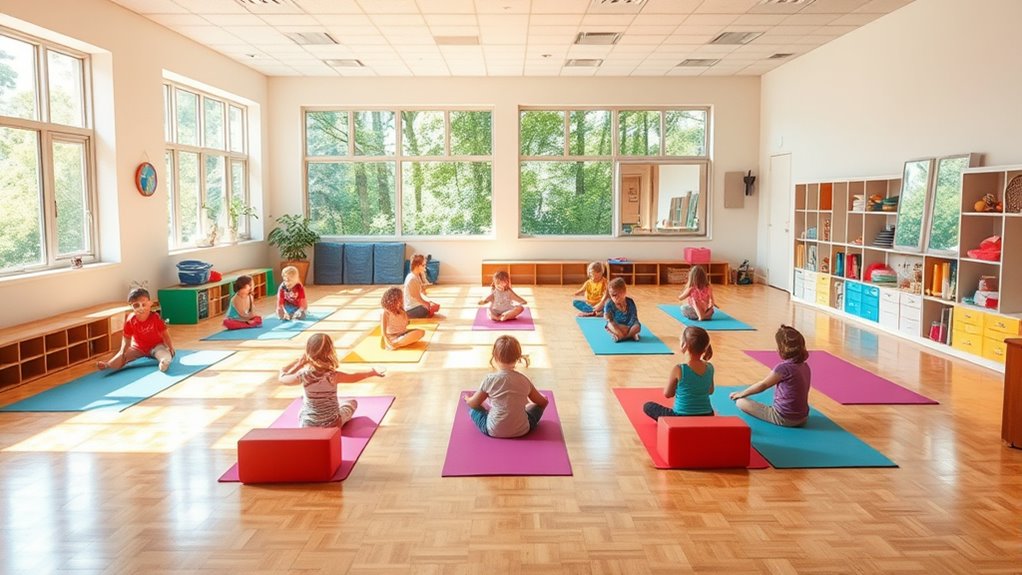
Have you ever considered how a single space can serve multiple purposes? Multi‑use rooms are perfect examples of this idea, offering flexibility that meets your dynamic needs. Instead of designing separate rooms for different activities, you can create a versatile environment where movement and enrichment happen seamlessly. The key lies in incorporating flexible layouts that allow you to reconfigure the space effortlessly for various functions. Whether you’re working, exercising, relaxing, or entertaining, your room can adapt quickly, saving you time and space.
A single space can seamlessly serve multiple functions with flexible layouts and adaptable furnishings.
Flexible layouts are the backbone of an effective multi‑use room. You can use movable dividers, sliding doors, or fold-away partitions to divide or open up the space as needed. With these adjustable configurations, the room can transform from a quiet home office during the day to a lively workout area in the evening. This adaptability ensures you make the most of your space without feeling confined. The layout should encourage fluid movement and easy transitions, so your room feels welcoming and functional no matter what activity you’re engaging in.
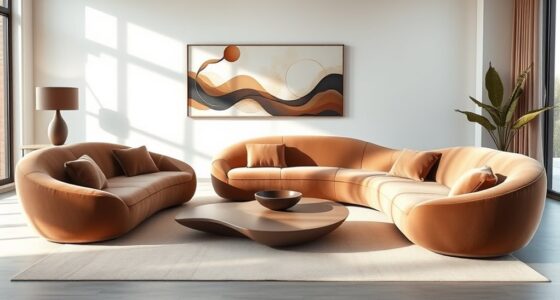
Adaptive furnishings are equally important in designing a multi‑use room. These are pieces that serve multiple purposes or can be easily stored away when not in use. Think fold-out beds, extendable tables, or stackable chairs that can be tucked into closets. Furniture that adapts to your needs allows you to optimize space and keep the room clutter-free. For example, a sofa bed provides a comfortable sitting area during the day and converts into a bed for overnight guests. Modular shelving units can be rearranged for storage, display, or workspaces, helping you customize the room’s function on the fly.
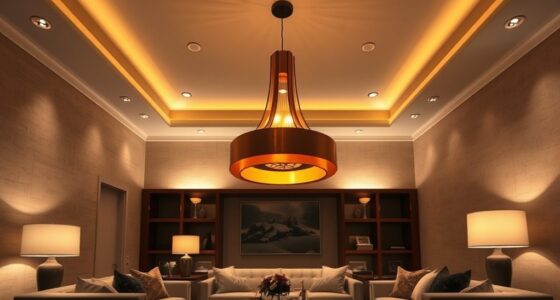
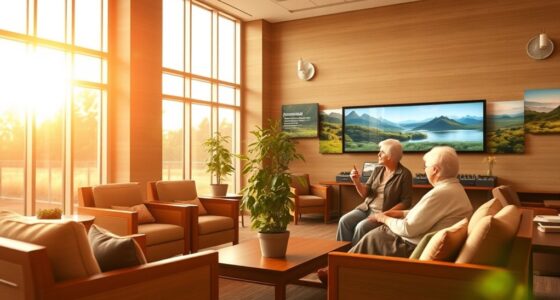
In addition to practicality, the design should foster an environment that inspires movement and enrichment. Bright, open spaces with flexible seating arrangements encourage you to move freely, whether stretching during a break or rearranging furniture for a new activity. Lighting and decor can also be flexible, supporting different moods and purposes. The ability to quickly reconfigure your space means you can adapt to changing needs—whether hosting friends, practicing yoga, or working on a project—without feeling restricted.
Ultimately, multi‑use rooms are about smart design choices that maximize your space’s potential. By prioritizing flexible layouts and adaptive furnishings, you create an environment that promotes movement, encourages creativity, and supports your lifestyle’s evolving demands. Instead of multiple dedicated rooms, you get one versatile space that grows and shifts with you, making every square foot work for your needs. Incorporating portable and adjustable furniture can further enhance the room’s versatility and ease of reconfiguration.

SUNALLY Room Divider No Drilling Curtain Rod Wall Divider for Room Separation, 4-10ft(H) 28-114inch(W) Adjustable, Heavy Duty Partition Space Separator Freestanding Tension Curtain Stand, Black
NOTICE: Curtains are not included
As an affiliate, we earn on qualifying purchases.
As an affiliate, we earn on qualifying purchases.
Frequently Asked Questions
How Can Lighting Be Optimized for Different Room Activities?
You can optimize lighting for different activities by maximizing natural light during daytime and using adjustable fixtures for flexibility. Incorporate dimmable lights to suit various needs, like bright lighting for active movement or softer tones for relaxation. Position fixtures to minimize glare and shadows, ensuring safety and comfort. By balancing natural light with adjustable fixtures, you create a versatile environment that adapts seamlessly to different room activities.
What Are the Best Materials for Soundproofing Versatile Spaces?
Soundproofing spaces smoothly starts with strategic selections like acoustic panels and soundproof barriers. You’ll want materials that absorb sound, such as foam or fabric-covered panels, to diminish noise disruptions. Solid barriers like thick drywall or specialized insulation also help block sound transmission. By combining these calming, cushioning materials, you create a quiet, versatile environment perfect for movement, meditation, or meetings, making your space more functional and flexible.
How to Incorporate Technology Seamlessly Into Multi-Use Rooms?
You can incorporate technology seamlessly into multi-use rooms by installing smart security systems that blend into the design, ensuring safety without clutter. Add built-in charging stations to keep devices powered, making the space more functional. Use wireless technology for flexibility, and choose sleek, unobtrusive devices that complement the room’s aesthetics. This approach enhances versatility, promotes engagement, and maintains a clean, modern look for various activities.
What Are Space-Saving Furniture Options for Flexible Room Layouts?
You can maximize space with foldable furniture like wall-mounted desks and chairs that tuck away when not in use. Incorporate modular storage units that can be easily reconfigured to suit different activities, helping you create flexible layouts. These options allow you to quickly adapt the room for movement, learning, or relaxation, making your space more functional without sacrificing open area or comfort.
How Can Safety Be Maintained With Various Activities in One Room?
Safety’s no small feat, but you can keep everyone secure by implementing clear security protocols and activity zoning. Establish designated areas for different activities, so kids or users know where to go and what to avoid. Regularly inspect equipment and furniture for hazards, and guarantee proper supervision. Staying organized and proactive helps prevent accidents and keeps the space enjoyable and safe for all, proving that safety isn’t just a tall order.
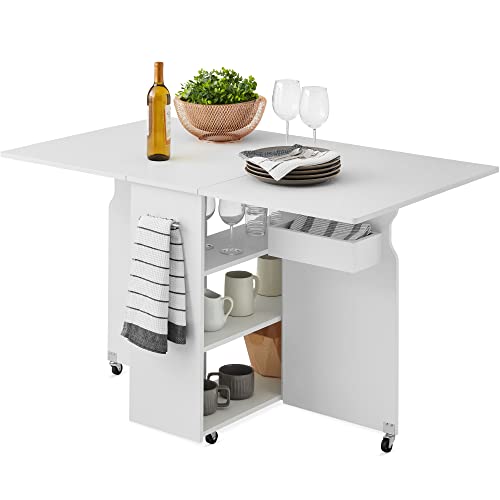
Best Choice Products Folding Dining Table, Multipurpose Space Saving Collapsible Drop Leaf Extension Desk w/Wheels, 3 Storage Shelves – White
MULTIPURPOSE TABLE: This versatile furniture piece can serve as a dining table, office desk, side or entry table,…
As an affiliate, we earn on qualifying purchases.
As an affiliate, we earn on qualifying purchases.
Conclusion
So, next time you walk into a multi-use room, remember—you’re stepping into a miracle of modern design where movement and enrichment collide. Who knew that a simple space could serve as a gym, classroom, and relaxation lounge all at once? It’s almost like we’re defying the laws of space and sanity. Embrace these versatile rooms—they’re the unsung heroes keeping your busy, chaotic life just a little more manageable, one multi-purpose corner at a time.

HUAHUU Extendable Round Dining Table for 4-8, 39in-77in Long Large Kitchen Table with Fluted Base, Space Saving Modern Farmhouse Oval Dinner Tables for Dining Room, Kitchen, Living Room, Brown
【Extendable Tabletop Design】This round expandable dining table can be extended from 39-inch round table for 2-4 into a…
As an affiliate, we earn on qualifying purchases.
As an affiliate, we earn on qualifying purchases.

Murago Stackable Dining Chairs Set of 4, Stackable Waiting Room Chairs, Stacking Kitchen Chairs with Upholstered Back and Seat with Dense Foam Cushions, Steel Frame with 400 Lb. Capacity, Black
【Comfortable Seat】The seats and backrests we use are made of 100% pure cotton. Cotton is renowned for its…
As an affiliate, we earn on qualifying purchases.
As an affiliate, we earn on qualifying purchases.