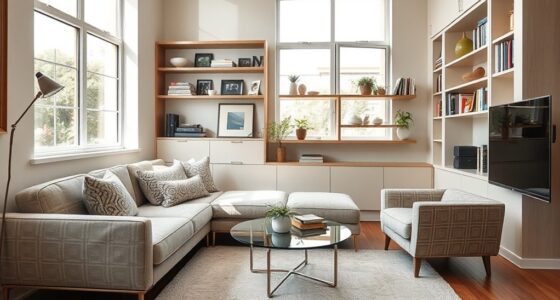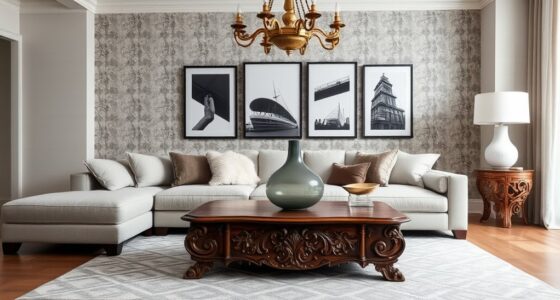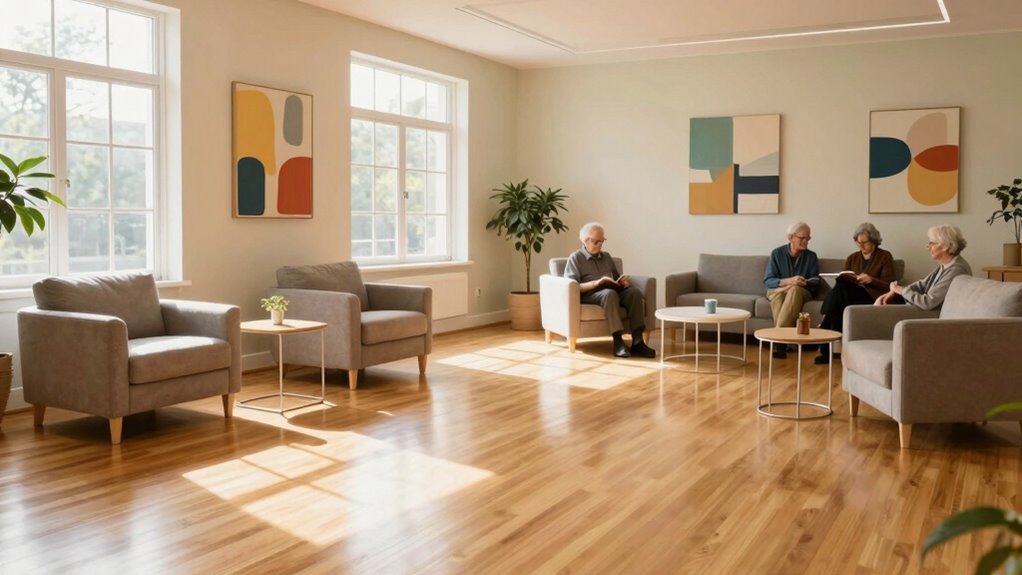

Creating purposeful empty space in senior homes is essential because it supports your loved ones’ well-being, safety, and social life. It allows for free movement, reduces clutter, and creates calming environments that promote relaxation. Open areas also foster opportunities for social interaction and gentle activities. By making room to breathe and connect, you help improve their daily quality of life. Keep exploring to discover how thoughtful space planning transforms senior living into a thriving community.

Get the little things that make your day delivered free with Prime
- Fast, free delivery on millions of items
- Prime Video, Amazon Music and more included
- Member-only deals all year
Key Takeaways
- Purposeful empty space promotes residents’ physical and mental well-being through calming, accessible, and flexible environments.
- It enables safe navigation and reduces fall risks by incorporating thoughtful design features.
- Empty areas facilitate social interaction and community building through designated activity zones.
- Adequate open space supports indoor gardening and therapeutic activities that improve mood and air quality.
- Overall, space enhances quality of life by fostering comfort, engagement, and a sense of freedom.
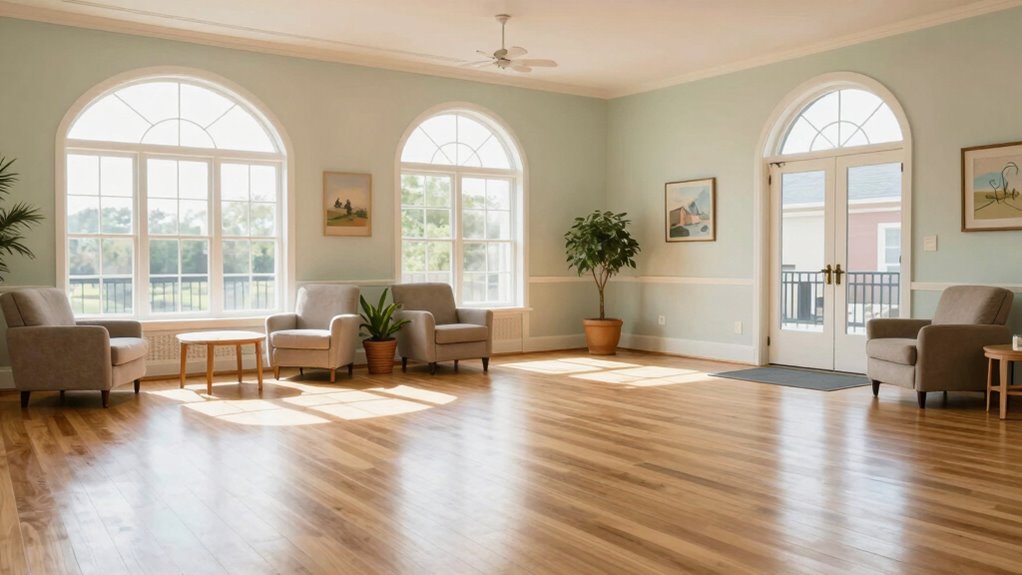
Empty space in senior homes isn’t just about making rooms look spacious; it plays a pivotal role in residents’ well-being. When you design these environments thoughtfully, you create opportunities for meaningful engagement and comfort. Purposeful empty space allows residents to move freely without feeling confined, which is indispensable for both physical health and mental clarity. It also fosters a sense of calm and reduces feelings of chaos, helping residents to relax and enjoy their surroundings. Incorporating toxic-free materials in these spaces ensures a healthier environment free from harmful chemicals. One essential way to utilize this empty space is through indoor gardening. Imagine a dedicated area where residents can tend to plants, fostering a sense of purpose while also encouraging light physical activity. Indoor gardens are more than just pretty scenery—they can boost mood, improve air quality, and provide a gentle form of therapy. When residents participate in planting, watering, and caring for the greenery, they experience a sense of achievement and connection to nature. It’s an activity that promotes mental stimulation and can even help combat feelings of loneliness or depression. Additionally, thoughtful design can enhance resident safety, ensuring that spaces are accessible and reduce fall risks.
Creating safe and accessible environments is essential in designing these spaces, and this can include features like non-slip flooring and adequate lighting. Equally significant are social activity zones, which should be strategically incorporated into the empty spaces of senior homes. These zones aren’t just open areas; they’re designed to facilitate interaction and community building. You can envision cozy corners for small group conversations, larger open spaces for group activities, or multipurpose rooms that adapt to various needs. When residents gather in these zones, they build relationships, share experiences, and stay mentally active. Creating purposeful empty space isn’t just about utility but also about fostering a sense of community and belonging. Having these dedicated spaces encourages spontaneous socialization, which is critical in reducing isolation and fostering a lively, supportive community.
Creating these purposeful empty spaces isn’t about leaving areas unused; it’s about intentionally designing environments that promote health, connection, and engagement. When you incorporate indoor gardening, you give residents a chance to nurture and connect with nature, which can be incredibly restorative. Meanwhile, social activity zones serve as hubs for interaction, helping residents feel less isolated and more connected to others. By focusing on these aspects, you transform senior homes from mere living spaces into vibrant communities that support residents’ overall well-being.
In the end, purposeful empty space isn’t a luxury—it’s an indispensable component of quality senior living. It offers room to breathe, grow, and connect, making daily life more enriching and fulfilling for residents. When you prioritize these spaces, you guarantee that senior homes are not just places to live but environments where seniors can thrive physically, emotionally, and socially.
non-slip flooring for senior homes
As an affiliate, we earn on qualifying purchases.
As an affiliate, we earn on qualifying purchases.
Frequently Asked Questions
How Does Empty Space Impact Residents’ Mental Health?
Empty space in senior homes markedly boosts residents’ emotional well-being by reducing overcrowding and creating a calming environment. It also encourages cognitive stimulation, giving residents safe areas to engage in activities or relax without feeling overwhelmed. You’ll notice improvements in mood, decreased anxiety, and enhanced mental clarity when spaces are thoughtfully designed, allowing residents to feel more independent and comfortable, ultimately supporting their overall mental health.
What Design Principles Optimize Empty Space in Senior Homes?
You should prioritize open layouts with flexible, well-lit spaces to optimize empty space in senior homes. Incorporate good interior lighting to enhance visibility and mood, and use acoustic design to reduce noise and create calm environments. Research shows that well-designed empty spaces can improve residents’ mental health and sense of independence. By focusing on these principles, you create a comfortable, functional environment that supports well-being and social interaction.
Are There Safety Concerns With Large Empty Areas?
Large empty areas can pose safety hazards if not properly designed, as they might lead to falls or accidents. You need to guarantee clear pathways and remove obstacles to prevent tripping. Additionally, these spaces should allow for emergency access, so staff can quickly respond if needed. Proper lighting and signage are essential to minimize safety hazards, ensuring residents and staff navigate these areas safely at all times.
How Does Empty Space Influence Social Interactions?
Empty space in senior homes encourages social interactions by creating inviting areas like garden tranquility spots and activity zones where residents can gather casually. These open areas reduce congestion and make it easier to start conversations, fostering a sense of community. When residents feel comfortable and unhurried, they’re more likely to engage with others, strengthening bonds and improving overall well-being. Purposeful empty space truly enhances social life.
What Are Cost-Effective Ways to Create Purposeful Empty Space?
You can create purposeful empty space cost-effectively by integrating smart budget planning that allocates funds for versatile areas. Use simple, aesthetic enhancements like calming colors, natural lighting, and minimalistic furniture to make these spaces inviting. Repurpose existing areas, like transforming underused rooms into social or relaxation zones, without significant renovations. This approach boosts social interactions and well-being, all while keeping costs manageable and enhancing the home’s overall aesthetic appeal.
Conclusion
Remember, even in the grand design of a senior home, empty space isn’t just void—it’s the canvas for life, much like the silent promise of an unspoken prayer. By embracing purposeful emptiness, you create room for growth, connection, and serenity. Just as a garden needs space to flourish, your home needs room for new memories to bloom. Embrace these spaces, for they hold the potential for renewal and hope, whispering that life always finds room to flourish.
NFL season / tailgating Picks
team gear
As an affiliate, we earn on qualifying purchases.