
When choosing sustainable materials for longevity and comfort, opt for eco-friendly, responsibly sourced options like organic cotton, recycled metals, or reclaimed wood. These materials are durable, often more comfortable, and help reduce environmental impact. Recycling processes and eco-friendly production methods further enhance their benefits, creating products that last longer and feel better. By prioritizing these choices, you support a healthier planet and smarter consumption habits—keep exploring to discover more about making sustainable choices.
Key Takeaways
- Select materials like organic cotton, responsibly sourced wood, or recycled textiles for durability and comfort.
- Prioritize eco-friendly production methods that reduce chemical use and energy consumption, enhancing longevity.
- Choose products made from recycled metals, plastics, or textiles to support a circular economy and extend material lifespan.
- Look for certifications indicating sustainable practices to ensure quality, durability, and environmental responsibility.
- Consider natural, breathable materials that improve comfort and tend to be more durable over time.
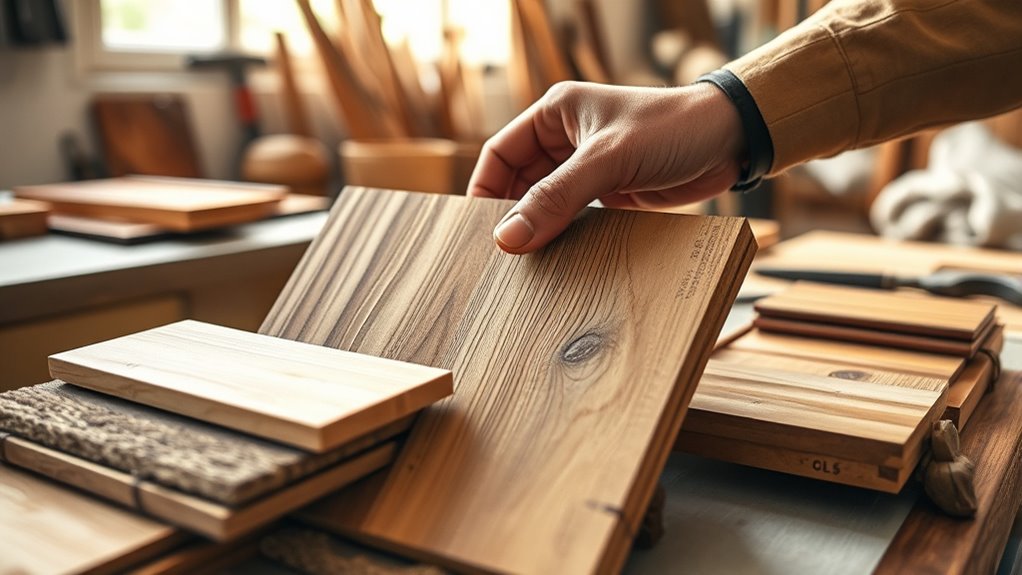
Have you ever wondered how your material choices impact the environment? Every decision you make about the products you buy, from clothing to furniture, influences the planet’s health. Choosing sustainable materials isn’t just about getting something that looks good or lasts long; it’s about supporting practices that minimize harm and promote eco-friendly production. One of the key aspects to contemplate is how materials are sourced and manufactured, especially through recycling processes. When manufacturers incorporate recycled materials, they reduce waste and lessen the demand for virgin resources. For example, recycled metals, plastics, and textiles help close the loop in production cycles, ensuring fewer materials end up in landfills or oceans. By selecting items made through recycling processes, you actively participate in a circular economy that values reuse and repurposing, making your choices more environmentally responsible. recycling processes play a crucial role in creating sustainable materials, enabling industries to repurpose waste into valuable resources.
Eco friendly production methods further enhance the sustainability of your material choices. These methods emphasize reducing energy consumption, limiting chemical use, and lowering greenhouse gas emissions. When products are made using eco friendly production, they tend to have a lower overall environmental footprint, which contributes to cleaner air, water, and soil. As a consumer, you can look for certifications or labels indicating ethical and sustainable production practices. These certifications often guarantee that the materials used are sourced responsibly and that the manufacturing process adheres to environmental standards. Opting for such products supports companies committed to sustainability and encourages the industry to adopt greener practices.
In addition to environmental benefits, choosing sustainable materials also boosts the longevity and comfort of your products. Well-made, eco-friendly materials often have superior durability because they are designed to withstand wear and tear over time. This means you don’t need to replace items frequently, reducing waste and saving money in the long run. Comfort is also enhanced when natural or responsibly sourced materials are used, as they tend to be more breathable and gentle on your skin. For instance, organic cotton or sustainably harvested wood not only feel better but also ensure that their production respects ecosystems and communities involved. By prioritizing sustainable materials, you’re investing in products that serve your needs while aligning with your environmental values.
Ultimately, your choices matter. When you prioritize materials produced through recycling processes and eco friendly production, you support a more sustainable future. These decisions help reduce environmental impacts, promote responsible resource use, and encourage companies to improve their practices. It’s about making informed, conscious choices that foster longevity and comfort without compromising the health of our planet.

LANE LINEN Eco Friendly 100% Organic Cotton Queen Sheet Set, Soft & Comfy Fully Elasticized 15" Deep Pocket Bed Sheets, Low Pill Naturally Cooling Machine Wash Sábanas Queen- White Bed Sheets
Pure Organic Comfort: Experience the luxurious comfort of our Lane Linen cotton sheets queen size set, meticulously crafted…
As an affiliate, we earn on qualifying purchases.
As an affiliate, we earn on qualifying purchases.
Frequently Asked Questions
How Do Sustainable Materials Impact Indoor Air Quality?
Sustainable materials improve indoor air quality by reducing air toxin levels and allergen presence. You’ll notice fewer irritants and less odor, creating a healthier environment. These materials often emit fewer volatile organic compounds (VOCs), helping you breathe easier and control allergens effectively. By choosing eco-friendly options, you promote air toxin reduction and allergen control, making your indoor space safer and more comfortable for everyone.
What Certifications Verify a Material’s Sustainability Claims?
You can verify a material’s sustainability claims through eco labels and certification standards. These certifications, like FSC, LEED, or GREENGUARD, ensure the product meets strict environmental and health criteria. When you see these eco labels, they confirm the material’s sustainability and safety, giving you confidence in your choice. Always check for recognized certification standards to make certain you’re selecting genuinely sustainable and high-quality materials.
Are Sustainable Materials Cost-Effective Long-Term Investments?
Sustainable materials are like planting seeds for future savings—they may cost more upfront but pay off in the long run. You’ll notice cost savings through durability and lower maintenance, while environmental benefits keep our planet healthier. Over time, these materials often prove to be cost-effective investments, reducing your expenses and ecological footprint. Embracing sustainability today helps you save money tomorrow, making your choice both smart and eco-friendly.
How Do Sustainable Materials Perform in Extreme Weather Conditions?
Sustainable materials generally perform well in extreme weather conditions thanks to durability testing and weather resistance. You’ll find that many eco-friendly options, like recycled metals or treated woods, withstand heat, cold, and moisture effectively. These materials are designed to maintain their integrity over time, ensuring your investments last longer. By choosing sustainably tested and weather-resistant options, you get reliable performance even in the most challenging environments.
Can Sustainable Materials Be Easily Recycled or Repurposed?
Yes, sustainable materials can often be recycled or repurposed, but recycling challenges exist due to complex compositions or coatings. You might find it easier to reuse materials directly, which reduces waste and extends their life. By choosing materials designed for reuse or easier recycling, you help minimize environmental impact. Always check local recycling guidelines and consider repurposing options to make the most of sustainable materials.

Gizoon Patio Chairs Set of 2, Patio Bistro Set 3PCS, Outdoor Patio Furniture Set with Rust-Resistant Metal Frame, 330LBS Capacity,for Balcony/Lawn/Patio/Pool, RCS Certified Recycled Material, Black
[RCS CERTIFIED & ENVIRONMENTALLY FRIENDLY] Our patio bistro set is certified by Intertek with ≥50% recycled materials, meeting…
As an affiliate, we earn on qualifying purchases.
As an affiliate, we earn on qualifying purchases.
Conclusion
By choosing sustainable materials, you’re planting seeds for a greener future that grows stronger over time. Think of each eco-friendly decision as adding a brick to a sturdy, lasting wall of comfort and durability. When you prioritize sustainability, you’re not just making a smart choice today—you’re building a resilient foundation for tomorrow. Remember, every mindful selection helps turn the world into a lush garden, thriving with longevity and comfort for generations to come.

Working Reclaimed Wood: A Guide for Woodworkers, Makers & Designers
As an affiliate, we earn on qualifying purchases.
As an affiliate, we earn on qualifying purchases.

RECYCLED RAG RUGS MADE SIMPLE: Upcycle T-Shirts, Sheets & Denim into Stunning Rugs with Braiding, Crochet, Weaving & Sewing
As an affiliate, we earn on qualifying purchases.
As an affiliate, we earn on qualifying purchases.