Many hidden hazards in your home can increase fall risks for older adults, and they often go unnoticed. Small issues like loose rugs, cluttered walkways, or poor lighting in stairwells and bathrooms can cause accidents. Electrical cords and slippery floors are easy to overlook but dangerous. Regular home inspections and making minor adjustments can make a big difference. Keep in mind, being aware of these hazards can help you create a safer living space—there’s even more to discover that can protect your loved ones.
Key Takeaways
- Small hazards like electrical cords and slippery floors often go unnoticed but increase fall risks.
- Poor lighting in stairwells and bathrooms can hide obstacles and hazards.
- Hidden clutter in cabinets or behind furniture can obstruct evacuation routes.
- Loose or improperly installed assistive devices may create additional fall hazards.
- Uninspected or neglected home features, such as broken steps or unsecured rugs, pose unseen dangers.
Many home hazards for older adults are not immediately obvious, yet they can substantially increase the risk of falls, injuries, and other emergencies. You might not realize that cluttered walkways, loose rugs, or poor lighting can make everyday movements dangerous. These hidden dangers often go unnoticed until an accident occurs, emphasizing the importance of proactive safety measures. One often-overlooked area is the proper use and placement of assistive devices. While tools like grab bars, walkers, or stair lifts can enhance independence, improperly installed or neglected devices can become hazards themselves. For example, a loose grab bar or a poorly fitted walker can cause falls instead of preventing them. Regularly inspecting and maintaining assistive devices ensures they serve their purpose safely, reducing the likelihood of accidents. Additionally, understanding home safety assessments can help identify potential risks before they lead to injury. Incorporating technological aids such as emergency alert systems can also provide added security and quick assistance when needed. Conducting routine home inspections can further uncover subtle hazards that might otherwise be overlooked. Staying informed about regional safety tips and solutions can help tailor safety measures to specific environments and home layouts.
Properly maintaining assistive devices is essential for safety and independence at home.
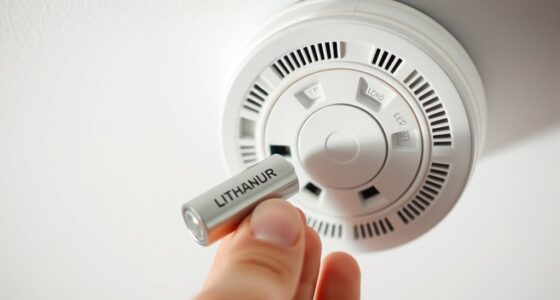
Emergency preparedness is another essential aspect many older adults overlook. Having a plan in place for emergencies—such as fires, medical crises, or natural disasters—can save lives. It’s crucial to keep emergency supplies within easy reach and ensure all household members know what to do in various situations. This includes having working smoke and carbon monoxide detectors, a charged phone, and clear escape routes. Additionally, informing neighbors or nearby friends about your needs can provide crucial assistance during an emergency. Simple steps like sharing your medical conditions and emergency contacts can make a notable difference if you’re unable to communicate during a crisis.
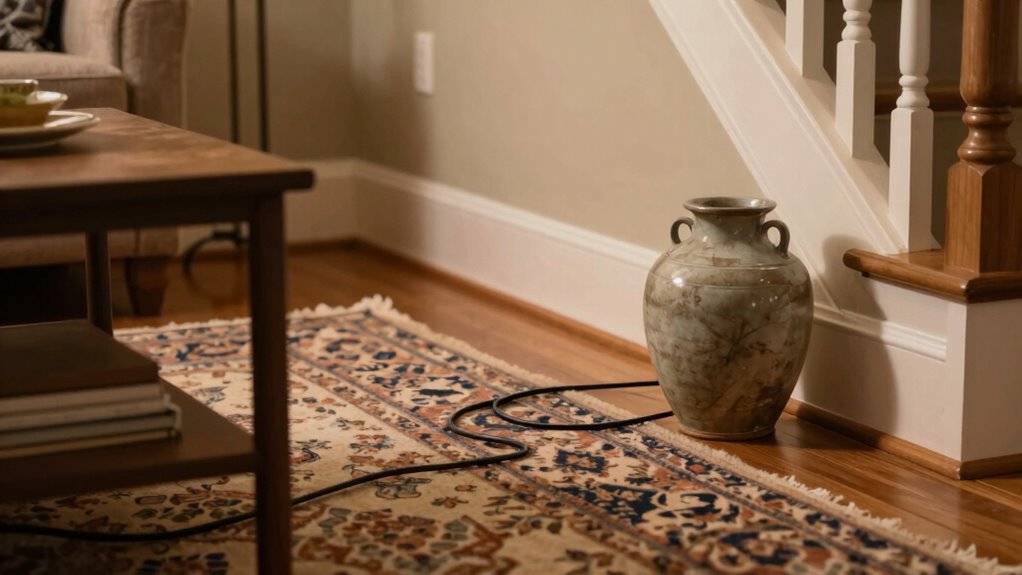
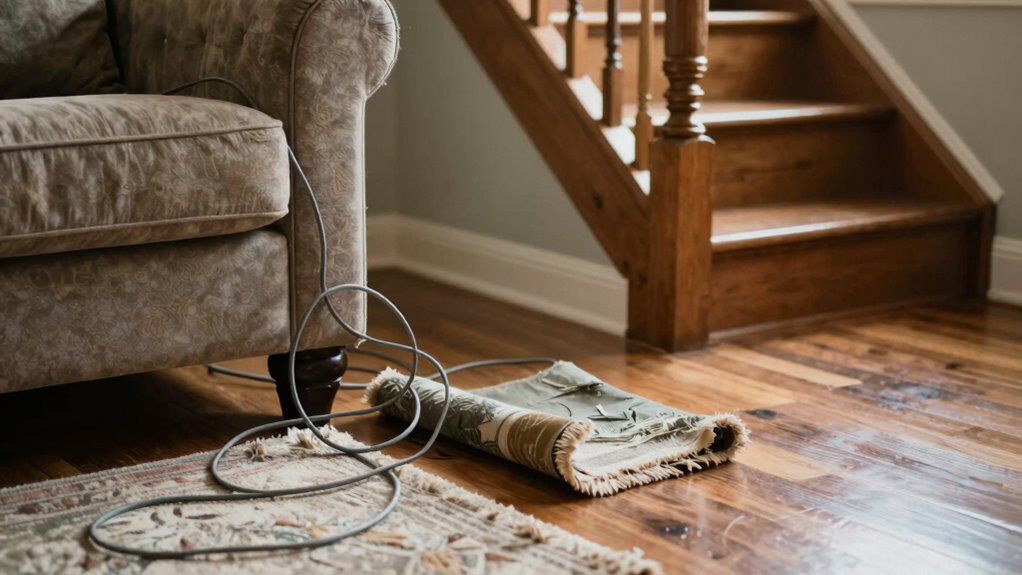
Many home hazards are subtle but impactful. For instance, excessive furniture or clutter can block pathways, making it difficult to move freely or evacuate quickly. Poor lighting, especially in stairwells or bathrooms, increases the risk of missteps. Small hazards like loose electrical cords or slippery floors often go unnoticed until someone slips. Addressing these issues involves routine home assessments, removing unnecessary clutter, and installing adequate lighting. It’s also wise to secure rugs with non-slip mats and repair broken steps or handrails promptly. These small adjustments create a safer environment and foster confidence in moving around your home.
Ultimately, awareness and proactive planning are your best defenses against hidden hazards. Regularly reviewing your home for potential dangers, maintaining assistive devices, and practicing emergency preparedness can considerably reduce risks. You have the power to transform your living space into a safer, more comfortable environment where you can maintain independence and peace of mind. By paying attention to these often-overlooked hazards, you take crucial steps to protect yourself and ensure your home remains a safe haven.

TAILI Grab Bars for Bathtubs and Showers 2 Pack Suction Grab Bar, Heavy Duty Shower Handle Removable Bath Handrails for Seniors and Elderly, Bathroom Safety Grip No Drilling Waterproof,Grey
Matters need Attention: Only suitable for tiles measuring 4×4 inches or larger. For the safety of the seniors…
As an affiliate, we earn on qualifying purchases.
As an affiliate, we earn on qualifying purchases.
Frequently Asked Questions
How Can I Identify Hidden Hazards in My Home?
You can identify hidden dangers in your home by conducting a thorough safety check. Look for loose rugs, poor lighting, and cluttered pathways that could cause falls. Use safety tips like installing grab bars, securing cords, and checking smoke alarms. Ask a family member or friend to help spot hazards you might overlook. Regularly inspecting your home guarantees you stay aware of potential risks and keep your environment safe.
Are There Specific Hazards More Common in Certain Rooms?
Ever wondered which rooms pose the biggest risks? In the kitchen, clutter can cause slips or falls, especially if you’re rushing or tired. The bathroom, on the other hand, often has slippery surfaces that increase fall risk. These hazards are more common in these spaces because they involve water and clutter, making vigilance essential. Regularly tidy the kitchen and install grab bars in the bathroom to help prevent accidents.
What Are the First Steps to Improve Home Safety?
Start by inspecting your home for hazards, then implement preventive measures like securing loose rugs, installing grab bars, and adding non-slip mats. Focus on safety upgrades such as improving lighting and removing clutter, especially in high-risk areas like bathrooms and stairways. Regularly check smoke detectors and electrical cords. These steps create a safer environment, reducing fall risks and other accidents, so you can maintain independence and peace of mind at home.
How Often Should I Reassess My Home for Hazards?
You should revisit your home safety checks at least every six months, or sooner if you notice changes. During these assessments, consider emergency preparedness plans and verify assistive devices are functioning properly. Regularly updating your safety measures helps prevent accidents and keeps your environment secure. Remember, staying vigilant and proactive is key to maintaining a safe, comfortable home as you age gracefully.
Can Professional Home Safety Assessments Prevent Accidents?
Yes, professional home safety assessments can prevent accidents by identifying risks related to senior mobility and emergency preparedness. When experts evaluate your home, they spot hazards that might cause falls or injuries, especially for those with mobility challenges. Plus, they recommend modifications to improve emergency readiness. This proactive approach helps you stay safer, reduces accident risks, and guarantees you’re better prepared for emergencies, giving you peace of mind.

TEESHLY Bathtub Mats for Shower Tub, Extra Long Non-Slip 39 x 16 Inch Bath Mat with Drain Holes and Suction Cups, BathMat for Bathroom with Machine Washable (Clear Grey)
NON-SLIP LARGE BATH MAT: The superior bath and shower mat is 39 x 16 inch for maximum coverage,…
As an affiliate, we earn on qualifying purchases.
As an affiliate, we earn on qualifying purchases.
Conclusion
Now that you’re aware of these hidden home hazards, you can make your space safer than Fort Knox! Don’t let overlooked dangers turn your home into an accident waiting to happen—your independence and well-being are worth more than a mountain of gold. Take action today to identify and fix these hazards, ensuring your home remains a sanctuary, not a danger zone. Stay vigilant, stay safe, and keep your golden years truly shining.

EZVALO 6 Pack Motion Sensor Night Lights, Sync LED Stair Lights Indoor, 1500mAh Rechargeable, Magnetic & Dimmable, 3000K Soft White, Portable Nightlight for Hallway, Stairs, Bathroom, Bedroom
Motion Sensor Night Light: The stair lights indoor will automatically turn on when detecting human movement within 10ft/120°…
As an affiliate, we earn on qualifying purchases.
As an affiliate, we earn on qualifying purchases.

Klein Tools 80023P Tool Set, Home Inspector Tool Kit with Digital Moisture Meter, Non-Contact Voltage Tester, GFCI Outlet Tester, 3-Piece
HOME INSPECTOR TOOL KIT includes a Digital Moisture Meter, Non-Contact Voltage Tester Pen, and GFCI Tester
As an affiliate, we earn on qualifying purchases.
As an affiliate, we earn on qualifying purchases.