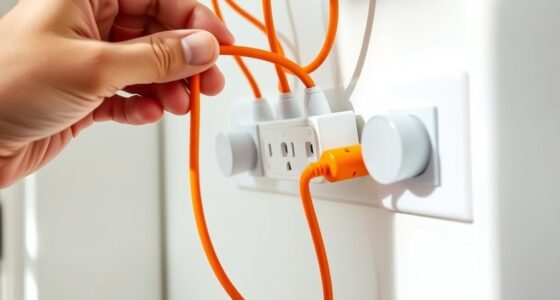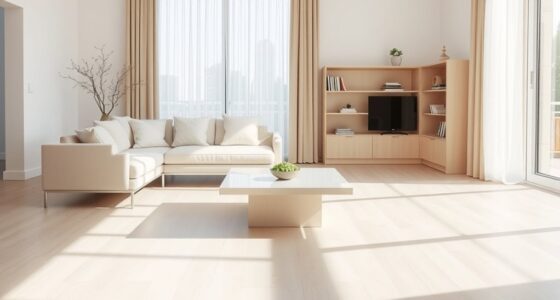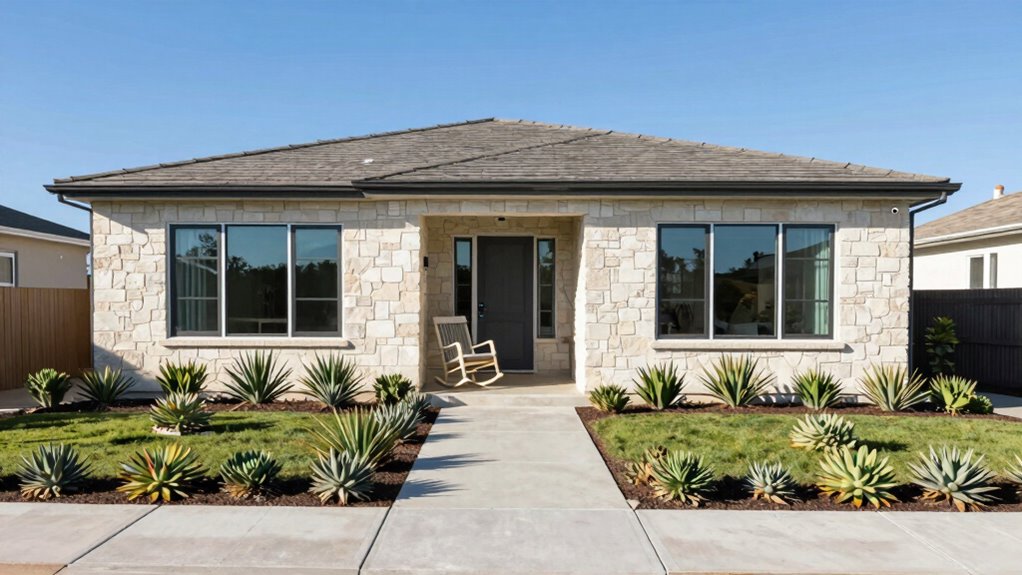

To enjoy a low-maintenance, easy-to-navigate home, choose one with accessible design features like wider doorways, zero-threshold entries, and lever handles. Opt for landscaping that’s simple to care for, such as low-maintenance plants, and select appliances with safety features and easy controls. Incorporate smart home technologies like automated thermostats or robot mowers to reduce chores. This approach helps you stay independent and comfortable longer—discover more ways to make your home truly suited for your needs.

Get the little things that make your day delivered free with Prime
- Fast, free delivery on millions of items
- Prime Video, Amazon Music and more included
- Member-only deals all year
Key Takeaways
- Choose homes with accessible design features like wider doorways and zero-threshold entries for easy navigation.
- Incorporate low-maintenance landscaping and outdoor features to reduce outdoor upkeep efforts.
- Select senior-friendly appliances with larger controls, ergonomic handles, and safety alerts to simplify daily routines.
- Utilize smart home technology and robotic lawnmowers to minimize manual tasks and physical strain.
- Prioritize a safe, comfortable environment that promotes independence and reduces daily stress.
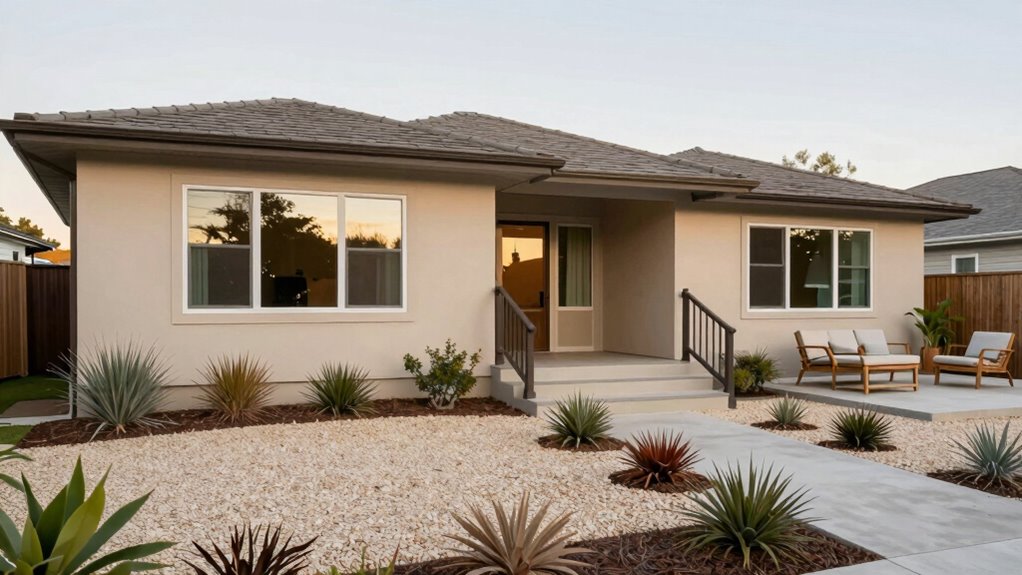
Deciding on the right living arrangement can be a challenging but important step for seniors and their families. You want a space that offers comfort, safety, and independence without demanding excessive upkeep. You want a space that offers comfort, safety, and independence without demanding excessive upkeep. One of the key factors to think about is how accessible the home is. An accessible design ensures that movement around the house is easy and safe, especially if mobility becomes an issue. Features like wider doorways, zero-threshold entries, and lever-style handles eliminate barriers that could cause falls or frustration. These modifications not only make daily activities smoother but also boost confidence in steering your home. When choosing a residence, look for one that already incorporates accessible design or consider making upgrades to your current space. This proactive approach minimizes the need for future renovations and keeps your home functional for years to come. Incorporating inclusive design principles can further enhance comfort and usability for everyone. Additionally, choosing homes with low-maintenance landscaping can significantly reduce outdoor upkeep and preserve your time and energy. Incorporating modern safety features, such as sensor lighting and emergency alert systems, can further increase security and peace of mind. Along with accessible design, selecting the right appliances can greatly reduce maintenance and simplify daily routines. Senior friendly appliances are designed with ease of use in mind—think larger control buttons, clear displays, and ergonomic handles. For example, a washing machine with a top load option and simplified controls can make laundry less of a chore. Kitchen appliances like easy-to-open refrigerators, low-height ovens, and touch-activated faucets help you maintain independence without struggling with complicated or heavy equipment. These appliances often feature safety enhancements, such as automatic shut-offs or alerts, which add an extra layer of security. When outfitting your home, prioritize appliances that align with your needs and abilities, making daily tasks more manageable and less time-consuming. Additionally, smart HVAC systems can contribute to a more comfortable and energy-efficient environment, reducing the need for manual adjustments and maintenance. Incorporating robot mower technology offers a convenient way to maintain lawns with minimal effort, especially beneficial for those who want a well-kept yard without the physical strain. Overall, a home designed with accessibility, senior friendly appliances, and low-maintenance features supports your desire for less effort and more ease, helping you stay independent longer. It’s about creating a living environment where daily routines become less stressful, and you can focus on enjoying your time with family and hobbies rather than worrying about home maintenance.
As an affiliate, we earn on qualifying purchases.
Frequently Asked Questions
Are There Specific Financial Assistance Programs for Senior-Friendly Homes?
Yes, there are specific financial assistance programs for senior-friendly homes. You can explore options like financial grants and housing subsidies designed for seniors, which help reduce costs and make homeownership more affordable. These programs often target modifications for easier living and may be available through local government agencies, non-profits, or federal initiatives. Researching your area’s offerings can help you access the support you need for a comfortable, maintenance-friendly home.
How Can I Ensure a Home’s Safety Features Are up to Date?
To guarantee your home’s safety features are current, regularly inspect and update components like smoke detectors and security systems. Incorporate home automation to monitor security, lighting, and climate remotely, making daily safety easier. Also, prioritize emergency preparedness by installing accessible fire extinguishers and creating clear evacuation plans. Regularly review and test these features, and consult professionals for upgrades, ensuring your home remains a safe, smart, and easy-to-manage environment.
What Are the Best Locations for Senior-Friendly Housing?
You should consider retirement communities and senior apartments for the best locations. These options are designed with seniors in mind, offering easy access to amenities, healthcare, and social activities. Look for areas with good public transportation, walkable neighborhoods, and proximity to medical facilities. Selecting a location within a vibrant, supportive community guarantees you stay active, engaged, and safe, making your retirement both comfortable and fulfilling.
How Do I Evaluate a Home’s Accessibility Features?
Your home’s accessibility features are the gateway to effortless living, so evaluate them thoroughly. Check for wide doorways, zero-step entryways, and lever-style handles—these design considerations make daily activities smoother. Look for spacious bathrooms with grab bars and walk-in showers. Use renovation tips like installing adjustable-height counters or slip-resistant flooring. Exaggerate accessibility, and you’ll create a sanctuary that feels truly tailor-made for comfort, safety, and independence.
Can I Customize a Home for Future Mobility Needs?
Yes, you can customize a home for future mobility needs by incorporating universal design features and home automation. Universal design guarantees the space is accessible and comfortable, with features like wider doorways and zero-step entries. Home automation makes daily tasks easier by controlling lighting, thermostats, and security systems remotely. Planning these modifications early helps create a safe, adaptable environment that grows with your mobility needs, providing independence and peace of mind.
Conclusion
Choosing the right home for your golden years is like planting a sturdy tree—you want a foundation that supports you effortlessly as you grow older. Imagine a neighbor who swapped her stairs for a single-level condo, and now she spends her mornings enjoying her garden instead of worrying about repairs. With the right home, you can embrace less maintenance and more moments of joy, making your retirement truly the best chapter yet.
Fall Picks
fall essentials
As an affiliate, we earn on qualifying purchases.