TL;DR

Get the little things that make your day delivered free with Prime
- Fast, free delivery on millions of items
- Prime Video, Amazon Music and more included
- Member-only deals all year
Ergonomic backpacks for students help prevent back pain by evenly distributing weight and fitting properly. Look for adjustable straps, supportive back panels, and lightweight design to keep your child comfortable and healthy.
Ever seen a student lugging a backpack that looks like it’s about to burst? Or noticed how some kids carry their bags with a hunch, grimacing at the weight? The truth is, a poorly chosen backpack can turn into a health hazard. But the good news? Today’s ergonomic designs do more than just carry books—they protect spines and posture.
In this guide, you’ll learn what makes a backpack truly ergonomic, discover the latest trends, and get practical tips for choosing one that fits your child’s needs. Because a well-designed backpack isn’t just about style; it’s about health and comfort that lasts.
Choose backpacks with adjustable straps, padded back panels, and lightweight materials to support healthy posture.
Limit backpack weight to 10-15% of your child’s body weight to avoid back strain.
Look for modern features like reflective safety elements, USB ports, and eco-friendly fabrics.
Regularly inspect and replace backpacks to prevent discomfort and long-term health issues.
Prioritize fit, comfort, and safety over style—ergonomic design makes a real difference.
What makes an ergonomic backpack really good for students?
An ergonomic backpack for students isn’t just about looks—it’s about how it fits and supports. It should evenly spread weight across the back and shoulders. Think padded shoulder straps that don’t dig in, and a back panel designed to contour to your child’s spine.
For example, a backpack with adjustable straps lets your kid customize the fit, so it sits snugly against their back. Lightweight materials reduce the overall load, making even a full pack easier to carry. The goal? Minimize strain and encourage good posture, especially during those long school days.
Key features include padded straps, breathable mesh back panels, and multiple compartments to keep things organized without overstuffing. These elements turn a simple bag into a health-supporting device.
Beyond comfort, the right design can prevent long-term health problems. When a backpack distributes weight evenly, it reduces the risk of developing musculoskeletal issues like back pain or shoulder strain, which are common among students who carry heavy loads daily. However, it’s important to recognize that no backpack can completely eliminate strain if the weight exceeds safe limits or if posture isn’t maintained properly. Therefore, ergonomic features should be complemented by good habits, like packing only necessary items and adjusting straps regularly.
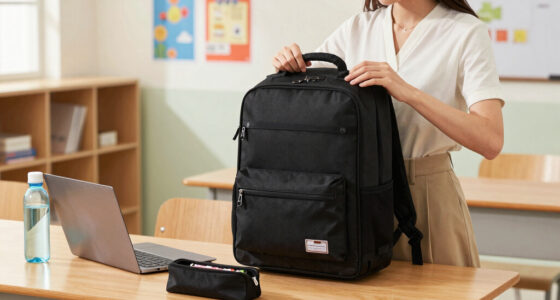
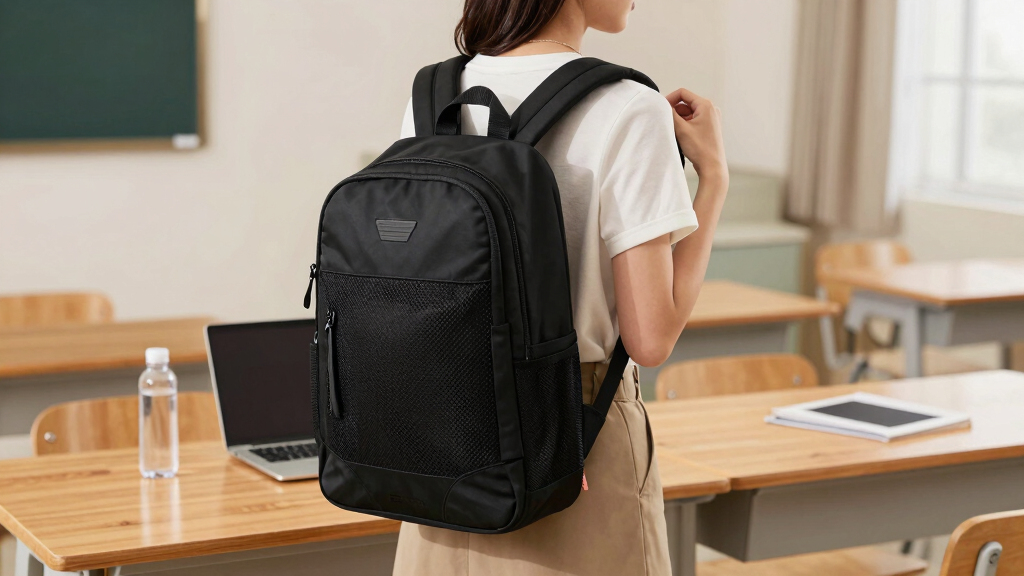
ergonomic student backpack with adjustable straps
As an affiliate, we earn on qualifying purchases.
As an affiliate, we earn on qualifying purchases.
Compare top features in ergonomic backpacks with this easy table
| Feature | Why It Matters | Example |
|---|---|---|
| Adjustable straps | Allows customization to fit different body sizes and shapes, ensuring the backpack sits correctly without causing discomfort or uneven weight distribution. | A growing student can tighten straps as they grow, maintaining proper fit over time. |
| Padded back panels | Provides cushioning to reduce pressure points and enhances airflow, which helps prevent sweating and skin irritation. Proper padding supports ergonomic alignment, reducing the risk of back pain. | Soft mesh panels that promote airflow and prevent sweating while conforming to the back’s natural curve. |
| Lightweight construction | Reduces the overall weight of the backpack, lessening the load carried and decreasing strain on the back and shoulders. Heavy backpacks can negate ergonomic benefits by adding unnecessary weight. | Backpacks made from recycled nylon weighing under 2 lbs that still maintain durability. |
| Multiple compartments | Helps organize weight distribution more evenly, preventing overstuffing in one area that could cause imbalance and strain. Proper organization encourages lighter loads and better posture. | Dedicated laptop sleeve and separate pencil case area, reducing the need to cram everything into a single compartment. |
| Reflective elements | Enhances visibility in low-light conditions, which is crucial for safety during early morning or late evening walks, indirectly supporting overall well-being. | Reflective strips along the straps and bottom that catch headlights and streetlights. |
5 quick tips to pick the perfect ergonomic backpack for your kid
- Check that the backpack weighs less than 10-15% of your child’s weight. This threshold is crucial because exceeding it increases the risk of back and shoulder strain, especially over time.
- Look for adjustable straps and padded back panels. These features allow for a customized fit that supports proper posture and distributes weight evenly, reducing fatigue and discomfort.
- Ensure the bag has multiple compartments to avoid overstuffing. Organized packing not only makes it easier to find items but also helps keep weight balanced, preventing uneven strain.
- Choose durable, water-resistant materials to protect contents from weather and wear. Material quality affects the backpack’s longevity and its ability to maintain ergonomic features over time.
- Pick a design with reflective safety features for early morning or late evening walks. Visibility is a key safety aspect that complements ergonomic health by ensuring your child can be seen in low-light conditions.
Latest trends transforming ergonomic backpacks for students
The backpack market is evolving fast, blending health with high-tech and eco-consciousness. Smart backpacks now include built-in USB ports and even GPS tracking. Imagine charging your phone while your child walks home—no more hunting for outlets or lost devices.
Eco-friendly fabrics made from recycled plastic bottles are rising in popularity, appealing to environmentally aware students. Modular designs with removable parts let kids customize their packs—changing colors or adding pockets for different school days.
Enhanced ergonomics with mesh ventilation and waist belts distribute weight better, easing back pressure—especially important for students carrying heavy loads of books and gadgets.
And let’s not forget style. Trendy patterns, bold colors, and sleek designs make ergonomic backpacks something students actually want to carry.
These innovations are not just about aesthetics—they directly impact how effectively a backpack supports health. For instance, better ventilation reduces heat buildup, decreasing discomfort and sweat, which can lead to skin issues. Modular designs allow customization, ensuring the backpack adapts to different needs and preferences, encouraging consistent ergonomic practices. As technology advances, these features become more integrated into everyday backpacks, making health-conscious choices more accessible and appealing to students.
What happens if a backpack isn’t right for your child?
Wearing an ill-fitting backpack can lead to back pain, shoulder strain, and poor posture. When a backpack is too heavy, improperly fitted, or unbalanced, it forces the body into unnatural positions that can cause discomfort and long-term health issues. For example, a backpack that hangs too low or is too tight can restrict movement and put stress on the spine and shoulders, leading to muscle fatigue and misalignment.
Overloaded backpacks, especially those exceeding 15% of body weight, put extra stress on developing spines, which are still forming and adapting. Constant strain can contribute to problems like scoliosis, muscle imbalance, and early degeneration of spinal discs. These issues may not be immediately apparent but can manifest as chronic pain or postural problems as your child grows. Recognizing early signs and addressing them by choosing appropriate ergonomic support can help prevent these serious health consequences. It’s about understanding that an improper backpack isn’t just uncomfortable—it can be a catalyst for ongoing health issues if ignored.
When should your child replace their backpack?
Look out for signs of wear—tearing fabric, broken zippers, or straps that no longer adjust properly. Usually, every 1-2 years, it’s time for a new one—especially if your child has grown or the bag isn’t supporting them well anymore.
A good rule of thumb: if the backpack feels uncomfortable or looks visibly worn, replace it before it causes pain or posture issues. Continuing to use a damaged or ill-fitting backpack can negate ergonomic benefits and lead to discomfort or injury. Regularly replacing worn or outgrown backpacks ensures your child maintains proper support and reduces the risk of developing long-term musculoskeletal problems. Investing in a durable, adjustable backpack that fits well and replacing it periodically is a proactive step toward safeguarding your child’s health as they grow and their needs change.
Regular replacement is also an opportunity to reassess your child’s posture and packing habits, reinforcing ergonomic principles and encouraging lifelong healthy habits.
Frequently Asked Questions
How do I know if a backpack fits my child properly?
Have your child try on the backpack. It should sit snugly against the back, with straps adjusted so that the bottom of the pack rests in the middle of their back. The straps shouldn’t be too tight or loose, and the weight should feel evenly distributed.Can ergonomic backpacks really prevent back pain?
Yes. Properly designed ergonomic backpacks help distribute weight evenly across the shoulders and back, reducing strain. According to health experts, they can significantly lower the risk of developing musculoskeletal issues over time.What signs indicate my child’s backpack is causing discomfort?
Persistent back or shoulder pain, leaning forward, or uneven posture after carrying the bag are signs. Also, if your child complains of feeling tired or uncomfortable, it’s time to reassess the fit and weight.Are there specific brands known for ergonomic design?
Brands like SwissGear, JanSport, Everki, and Targus focus on ergonomic features. Look for models with adjustable straps, padded back panels, and quality materials to support healthy carrying habits.How often should my child get a new backpack?
Typically every 1-2 years, or sooner if the backpack shows signs of wear or no longer fits well. Regular check-ins ensure they’re always carrying safely and comfortably.Conclusion
A well-chosen ergonomic backpack is more than a trendy accessory—it’s a health ally for your child. Think of it as a smart investment in their growing body and confidence. When they carry comfort and support, they walk through their day with better posture and less pain.
Next time you’re shopping, focus on fit, support, and durability. Your child’s back will thank you, and they’ll thank you for making health a priority in their daily routine.
NFL season / tailgating Picks
team gear
As an affiliate, we earn on qualifying purchases.