
TL;DR

Get the little things that make your day delivered free with Prime
- Fast, free delivery on millions of items
- Prime Video, Amazon Music and more included
- Member-only deals all year
Consumer RAM prices have risen sharply in 2026, with 32GB DDR5 kits listed near $375 in early June after selling near $80 to $120 a year earlier. Market trackers and company comments point to AI demand for high-bandwidth memory as the main pressure on DRAM supply, though the timing and size of any price relief remain uncertain.
Consumer RAM prices have climbed sharply in 2026, with a 32GB DDR5 kit listed at $374.97 on Tom’s Hardware’s early June tracker after similar kits sold near $80 to $120 a year earlier, raising the cost of PC builds as AI demand absorbs more global DRAM capacity.
The price increase is no longer limited to high-end components. According to the source material, 64GB DDR5 kits that were commonly priced around $150 to $200 in 2025 now often list at $600 or more. DRAM prices also rose roughly 90% in the first quarter of 2026, based on cited market data.
PC makers are already seeing the effect. HP told investors that memory had risen to about 35% of build materials, up from 15% to 18% one quarter earlier. That shift means RAM can now be one of the largest cost items in a consumer PC, rather than a routine upgrade.
The central pressure is the growth of high-bandwidth memory, or HBM, used in AI accelerators. Samsung, SK Hynix and Micron make nearly all global DRAM, and the same cleanrooms that produce DDR5 for PCs can be used for HBM for AI chips. Suppliers have strong financial reasons to favor HBM, which reportedly sells for far more than comparable standard DDR5 capacity.
Why your RAM bill doubled
“Doubled” is the polite version — consumer DRAM is running 3–6× its 2024 lows. The boom-bust cycle that always brought cheap RAM back isn’t coming this time, because the factories that make your RAM now make something far more profitable instead.
HBM
This is the quiet tax on the whole AI era. Relief isn’t forecast before 2028, and even then prices may settle 30–50% above pre-crisis levels. Buy what you genuinely need now; don’t panic-buy capacity you won’t use. You can’t out-wait the fab math — but, as this series will show, you can shrink what you need. Next: HBM Ate the Fab.
PC Builds Are Getting Pricier
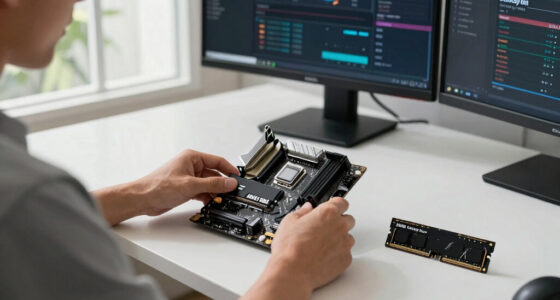
The squeeze matters because it changes the basic math for buyers. A gaming PC, workstation or small-business desktop that was planned around affordable DDR5 may now need a lower memory target, a delayed purchase or a larger budget. For readers building systems, RAM is no longer a small line item.
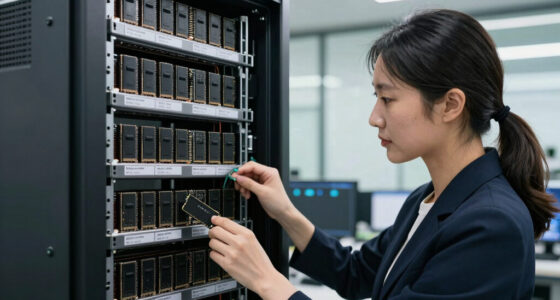
The pressure also reaches beyond individual buyers. Higher memory costs can affect prebuilt PCs, laptops, repair shops, small server builds and workstation fleets. If manufacturers absorb some of the increase, margins narrow; if they pass it on, consumers and businesses pay more.
The broader reason is that AI infrastructure is competing with ordinary computing for the same industrial base. The source material describes this as a capacity reallocation, not a short outage. That distinction matters because a normal memory cycle can ease when extra supply arrives, while this market is being shaped by longer-term AI demand.
As an affiliate, we earn on qualifying purchases.
AI Memory Uses More Wafers
HBM is more demanding to manufacture than standard DDR5. The source material says one bit of HBM can consume about three to four times the wafer area of one bit of DDR5 because it stacks multiple DRAM dies and involves more complex packaging and yield losses.
That means a shift toward HBM does not remove capacity on a one-for-one basis. Each wafer moved toward AI memory can reduce the amount of consumer DRAM output by a larger amount than buyers might expect. The source material says HBM now uses around 23% of total DRAM wafer output, up from 19% a year earlier.
Past memory shortages often ended when high prices encouraged new production and the market later swung back toward oversupply. This cycle is different because the higher-value product is also the product being pulled hardest by hyperscalers, AI chipmakers and long-term supply contracts.
Relief Timing Still Unsettled
It is not yet clear when retail prices will fall, or how far they can fall if AI demand stays strong. The source material says meaningful new capacity is not expected until 2027 to 2028, while some supply is already tied to long-term take-or-pay deals.
Several details remain uncertain: how quickly new fabs ramp, whether AI demand keeps rising at the current pace, and whether suppliers shift more capacity back toward standard DDR5. Forecasts cited in the source material suggest relief may not arrive before 2028, but memory markets can move quickly.
It is also unclear how much of the current pricing will become permanent. The source material says prices may later settle 30% to 50% above pre-crisis levels, but that remains a forecast rather than a confirmed outcome.
Buyers Face Harder Upgrade Choices
For now, buyers are likely to watch retail DDR5 pricing, supplier earnings reports and AI memory allocation for signs of change. The next clear markers will be quarterly DRAM pricing data, PC maker margin comments and updates from Samsung, SK Hynix and Micron.
Consumers planning a build may need to buy only the memory they expect to use soon, rather than assuming a cheap upgrade will be available later. The market signal from late June 2026 is plain: AI memory demand is now shaping the price of ordinary PC RAM.
Key Questions
Why did RAM prices rise so much in 2026?
Prices rose as AI demand pulled more DRAM production toward high-bandwidth memory. HBM is used with AI accelerators and can generate far more revenue for suppliers than standard DDR5.
How much more expensive is DDR5 now?
According to the source material, 32GB DDR5 kits that cost about $80 to $120 a year earlier were listed near $375 in early June 2026. Some 64GB kits now list at $600 or more.
Is this just a short-term shortage?
The source material says the pressure is tied to a capacity shift toward AI memory, not only a temporary supply disruption. That makes the timing of relief harder to predict.
When could prices improve?
Forecasts cited in the source material point to limited relief before 2028, with new capacity expected to take years to reach volume. That timeline could change if demand slows or suppliers alter output plans.
Should buyers wait before upgrading RAM?
The confirmed data show prices are high now, but the future path is uncertain. Buyers who need memory soon may have fewer reasons to wait; buyers who do not need extra capacity may avoid paying current prices for unused RAM.
Source: Thorsten Meyer AI
Halloween Picks
halloween
As an affiliate, we earn on qualifying purchases.